


Study Reveals How Childhood Poverty Shapes Risk-Taking Behavior in Later Stages of Life


According to a scientific study, individuals who experienced a lower socioeconomic status during their childhood tend to avoid taking risks in adulthood. They focus on immediate rewards rather than future ones, and are more inclined towards cooperation and helping others. However, these behaviors are not a weakness or a result of trauma, but rather a survival strategy.

Dorsa Amir and her team from Yale University conducted research with a total of 4,714 participants across four major samples.
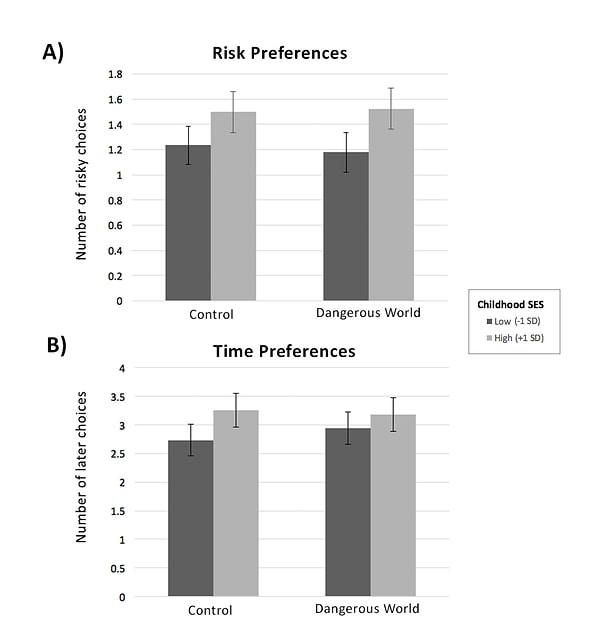
Based on the findings, those who experienced poverty in their childhood tend to shy away from risk more. This is because even a minor loss can bear significant consequences for them.
They tend to opt for immediate rewards over larger future ones. Smaller prizes that can be obtained right away seem more appealing.
In economic games, they place a high value on cooperation, engaging in more sharing and collaboration with others.
These impacts continue to be influential even if prosperity is achieved in adulthood.
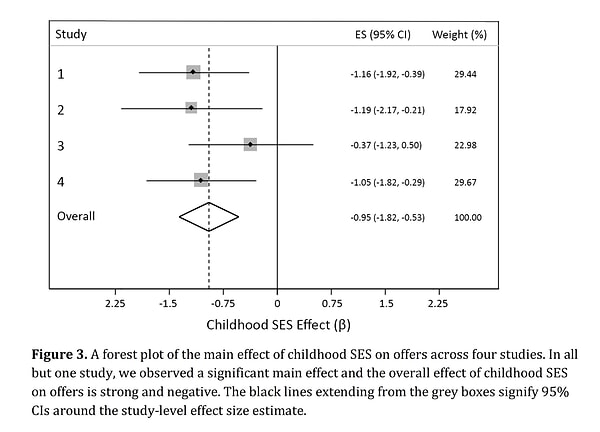
These findings indicate that the repercussions of poverty are not merely financial, but can also have behavioral and psychological impacts that may persist across generations. However, researchers are not labeling these tendencies as 'problems,' but rather, they are characterizing them as smart strategies for adapting to challenging circumstances.
Keşfet ile ziyaret ettiğin tüm kategorileri tek akışta gör!
 Test
Test
 Gündem
 Magazin
 Video
Video



Send Comment