


Skyscrapers Built From Mud and Straw in the Middle of the Desert


Rising from the desert terrain of Yemen, Shibam resembles a modern city skyline at a distance. However, behind the city's tall structures, you won't find steel, concrete, or advanced construction machinery. Hundreds of tower houses, reaching up to seven stories high, were built approximately 500 years ago using bricks made from earth, straw, and water.

They established one of the world's oldest vertical cities.
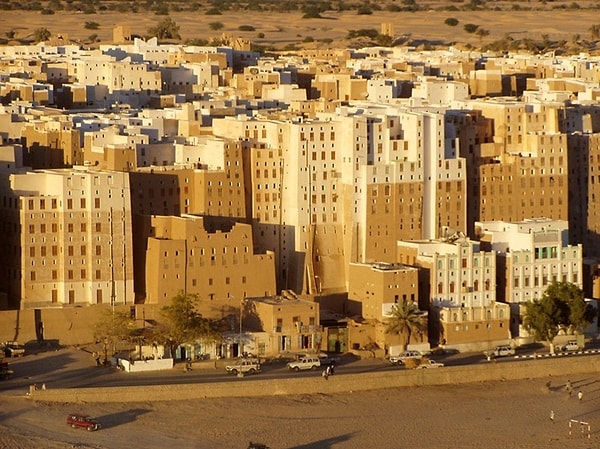
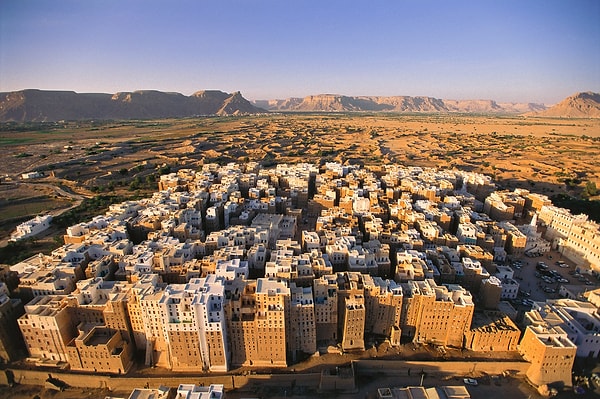
Located in the Hadramaut Valley, Shibam was once a significant stop on the spice and incense trade route that passed through the Southern Arabian Peninsula. The majority of the city's current layout was established following a major flood in 1532-1533 that damaged the old settlement.
The city, built on a narrow area enclosed by walls, opted for vertical expansion rather than horizontal growth. The tower houses, densely placed on a rectangular street pattern, not only provided protection against attacks but also helped to shade the streets from the desert heat for most of the day.
With its structures rising up to seven stories, Shibam is considered one of the oldest and most successful examples of multi-story urban planning. British explorer Freya Stark dubbed the city 'The Manhattan of the Desert' in the 1930s due to its extraordinary skyline rising in the middle of the desert.
They rose sevenfold with soil, straw, and water.
In the construction of the tower houses, soil excavated from the region was mixed with straw and water, then poured into molds. The resulting adobe bricks were left to dry in the sun for several days before being stacked on top of each other, supported by wooden beams. The walls on the lower floors were built thicker to bear the weight of the structure, while the walls on the upper floors were made thinner.
The ground floors, which were either windowless or had few windows, were designated for animals and grain storage, while the upper floors served as living spaces for families. The very top sections housed communal areas where guests were entertained and family members gathered.
Mud skyscrapers are constantly being replastered.
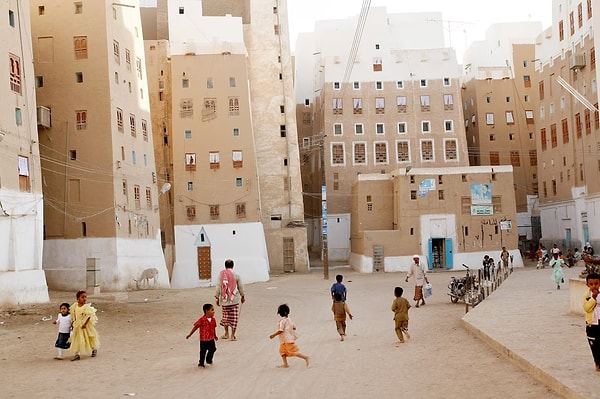
Although the mud-brick used in the construction of Shibam provides natural insulation against desert heat, it is quite vulnerable to rain, wind, and floods. Therefore, new layers of mud need to be applied to the exteriors of the buildings at regular intervals. Neglecting maintenance can lead to erosion of the mud-brick and weakening of the load-bearing parts of the towers.
The city suffered significant damage, especially in the flood disaster that occurred in 2008. The conflicts that started in Yemen have also increased the threat to the historical structures by complicating maintenance and preservation efforts.
Shibam, which was included in the UNESCO World Heritage List in 1982, has been on the List of World Heritage in Danger since 2015. Despite this, the approximately five-century-old mud-brick towers continue to stand as one of the most extraordinary cities in the world, built without the use of concrete or steel.
Keşfet ile ziyaret ettiğin tüm kategorileri tek akışta gör!
 Test
Test
 Gündem
 Magazin
 Video
Video



Send Comment