


One Side of the Door Is in Belgium, the Other in the Netherlands: The Owner Chose His Country!


The border between Belgium and Holland bisects the front door of a historic house in Baarle right down the middle. Typically, the location of the entrance door determines which country the house belongs to. However, with the door resting on the border line, the building has been assigned addresses in both Belgium and Holland.

The country you live in is determined by your front door.
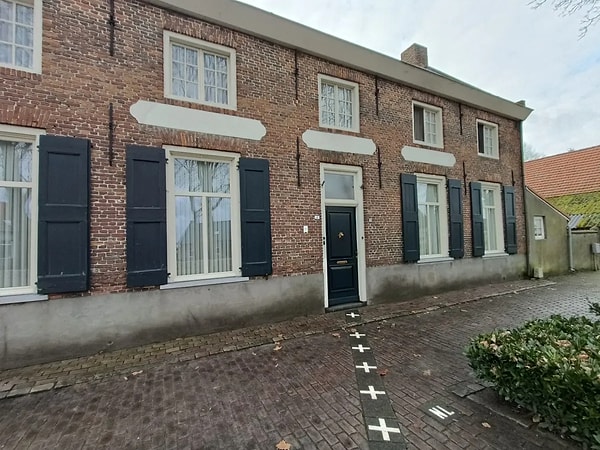
Navigating the national border in Baarle is not exactly a walk in the park. Small patches of Baarle-Hertog, a territory belonging to Belgium, are scattered within Baarle-Nassau in the Netherlands. The boundary lines cut through streets, shops, gardens, and houses.
A historic house on Loveren Street stands as one of the most unusual examples of this border confusion. Its address in Belgium is Loveren 2, while in the Netherlands, it's Loveren 19. The two sets of numbers, each bearing the colors of their respective flags, are hung on either side of the door.
In Baarle, the 'front door rule' is applied to structures that the border passes through. Whichever country the entrance door is located in, the residents are registered as part of that country's population. Services like electricity, water, telephone, and television are also determined according to the same rule.
The door of the house number two, on the other hand, is located right on the boundary line.
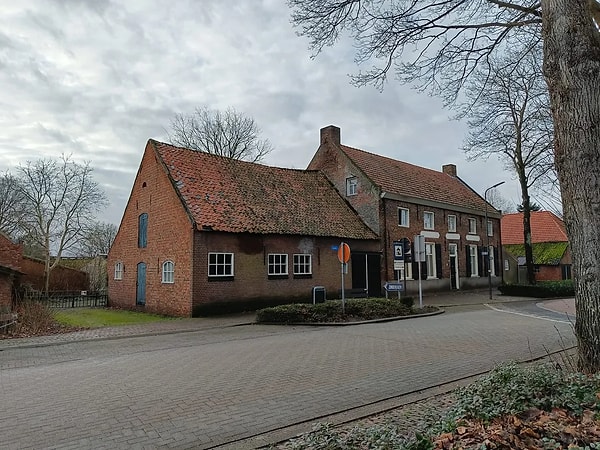
When the rule cannot be applied, homeowners are given the choice between BaarleHertog and BaarleNassau. The local tourism board confirms that the structure has both number 2 in Belgium and number 19 in the Netherlands.
The house is also situated on Belgian soil, known as H7. Defined as the smallest enclave in the world, H7 covers an area of just 2,469 square meters and has a perimeter length of 214 meters. According to records from 2016, only three people were living in the area.
The soldiers had to swap the places of the beds with the work desks.
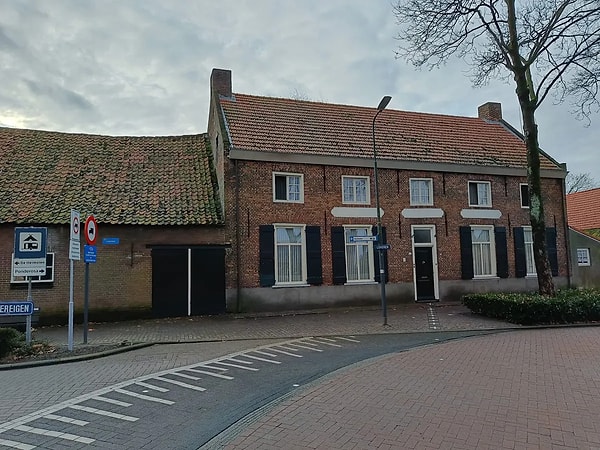
The location of the house on the border led to a rather peculiar incident during the Dutch mobilization in 1939. Dutch soldiers had moved into the house, unaware that it partially fell within Belgian borders. Following the intervention of Belgian authorities, the positions of the beds and work desks were rearranged.
The reasoning was as unusual as the location of the house. While the Dutch soldiers were allowed to sleep on Belgian soil, they were not permitted to work there. Thus, the work desks were moved to the Dutch side, while the beds were relocated to the Belgian side. This incident is recounted as one of the most famous stories about the house in local tourism resources.
Keşfet ile ziyaret ettiğin tüm kategorileri tek akışta gör!
 Test
Test
 Gündem
 Magazin
 Video
Video



Send Comment