


Miracle Beneath Glaciers: Fungi Discovered in Antarctica Offer New Hope for Alzheimer's Cure


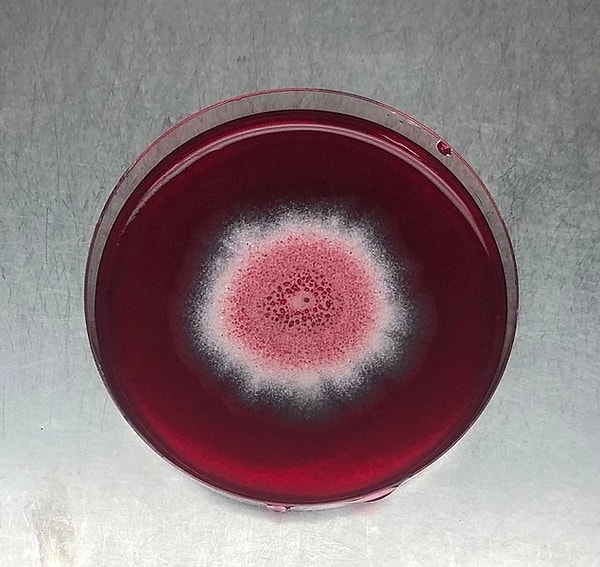
A tiny species of fungus that has managed to survive in Antarctica, the coldest and most isolated continent in the world, may be able to solve one of humanity's greatest medical mysteries. The Pseudogymnoascus fungi, which thrive in sub-zero temperatures at the poles, could protect the brain from Alzheimer's disease.
Here are the details

Mushrooms Given "Super Powers" by Extreme Cold

Antarctica is known for its freezing cold, high ultraviolet (UV) radiation, and extreme nutrient scarcity. In this environment, where most living things couldn't even survive for a few hours, Pseudogymnoascus fungi are putting on quite a show. But how?
Scientists have discovered that these fungi produce very special 'secondary metabolites' (bioactive compounds) to protect themselves and survive.
And here's the real bombshell: this natural chemical shield that protects the fungus from the freezing cold could also protect the human brain from the destructive effects of Alzheimer's disease.
Password Deciphered on Computer
Associate Professor Dr. Teoh Teow Chong and his team from the University of Malaya did not examine the compounds produced by this fungus directly through trial and error, but through super advanced computer modeling (Network pharmacology and molecular docking).
The results that emerged were incredible.
It was seen that these special compounds produced by the fungus interacted perfectly with the 'ionotropic glutamate receptors' that facilitate communication between nerve cells in our brain and are damaged in Alzheimer's. In other words, the substance produced by the fungus fit perfectly into the damaged key points of the brain, just like a puzzle piece.
The Power That Stops "Rust" in the Brain
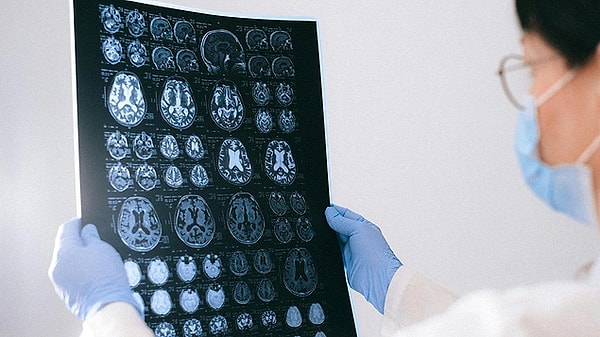
One of the biggest culprits of Alzheimer's disease is oxidative stress. You can think of this as your brain cells slowly rusting.
Research shows that extracts obtained from Antarctic fungi have tremendous antioxidant power, just like vitamin C (potentially in a much more specific way). This shield carries the potential to protect brain cells against rusting (cell death).
Of course, this finding does not mean 'Alzheimer's cure will be on the shelves tomorrow'. We have a long clinical trial process ahead of us.
Keşfet ile ziyaret ettiğin tüm kategorileri tek akışta gör!
 Test
Test
 Gündem
 Magazin
 Video
Video
Read More





Send Comment