


What Is Simulation Theory? Are We Living Inside A Computer Simulation?


Simulation theory is a philosophical idea that questions the reality of our existence. It asks whether the universe and everything in it could be part of a computer simulation run by a far more advanced civilization. Here is what the theory says, where its modern form comes from, and why many thinkers remain unconvinced.


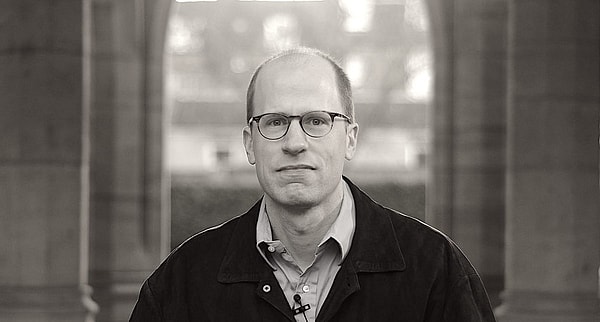
The modern version of the idea comes from Oxford philosopher Nick Bostrom.
The question of whether reality is an illusion is old. Thinkers such as Plato and Descartes wondered whether the world we perceive might be a deception or the creation of a higher power, and the film The Matrix brought a similar idea to a mass audience.
The modern formulation gained weight with Nick Bostrom's 2003 paper 'Are You Living in a Computer Simulation?'. Bostrom, a philosopher then at the University of Oxford, did not claim that we live in a simulation. Instead he argued that at least one of three possibilities must be true:
Civilizations like ours almost always die out before reaching a 'posthuman' stage with enormous computing power.
Civilizations that do reach that stage have little interest in running detailed simulations of their ancestors.
We are almost certainly living in a computer simulation.
The logic is statistical: if advanced civilizations could and would run many ancestor simulations, simulated minds would vastly outnumber original ones, so any conscious being would more likely be simulated. Bostrom has said he does not see strong enough evidence to rule out any of the three options.
Supporters point to rapid progress in technology and to the Fermi paradox.
Why some find it plausible
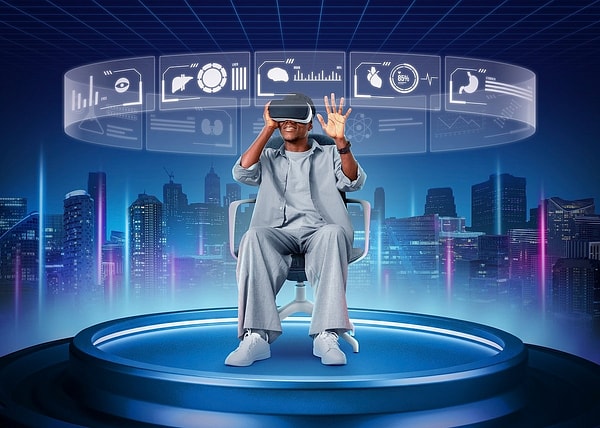
Given how fast computing and virtual reality are advancing, supporters argue that a future civilization could create simulations realistic enough to be indistinguishable from reality. Some also note that our universe follows precise mathematical laws, which they compare to the rules of a programmed environment.
The Fermi paradox angle
The Fermi paradox asks why, in such a vast universe, we have found no clear evidence of other intelligent civilizations. Some simulation theorists suggest the silence could be explained if the simulation's creators chose not to include other advanced civilizations.
The biggest criticism: there is no empirical evidence for the theory.
Critics say simulation theory remains speculative. There is currently no concrete scientific evidence that we live in a simulated reality, and so far no way to test the idea, which places it closer to philosophy than to science.
Even so, the question touches on deep debates about the nature of reality, consciousness, free will and the limits of human knowledge. For now, simulation theory can be neither confirmed nor ruled out, and that is exactly why it continues to fascinate.
Keşfet ile ziyaret ettiğin tüm kategorileri tek akışta gör!
 Test
 Gündem
 Magazin
 Video



Send Comment