


Keep Your Home Cooler Next Summer: 11 Lasting Insulation Fixes


The summer heat is behind us, but do you remember how hot your home got? Air conditioners running nonstop, rooms that never cooled down, nights too warm to sleep... Autumn is actually a good time to look for lasting solutions.
Here are 11 lasting ways to make your home more comfortable and energy efficient.


Start at the top: the roof and the attic.
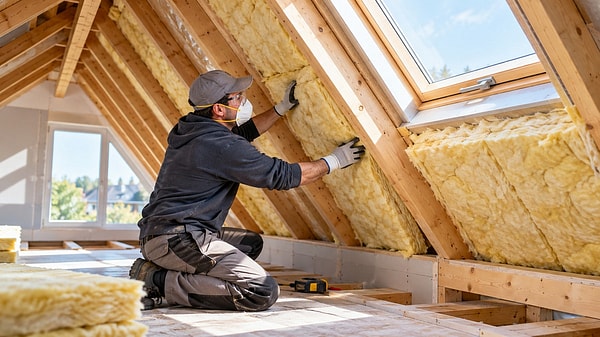
1. Don't neglect roof insulation
People living on top floors know it well: the sun heats the roof all day, and even in the evening the inside of the home barely cools down. Heat coming through the roof can be one of the reasons. Good roof insulation slows the heat on its way to your living spaces, and it also helps keep the warmth in during winter.
2. The colour of your roof matters more than you think
The colour and surface of the roof covering can affect how much heat it absorbs from the sun. If you are planning to renew your roof, this is worth looking into.
3. Watch out for heat building up in the attic
In summer the attic can become one of the hottest parts of the house, and that heat can affect the rooms on the top floor. Attic ventilation planned to suit the building can help move the hot air out, but vents and insulation need to be considered together. Rather than cutting random openings, it is better to ask an expert.
The walls and the hidden weak spots count too.
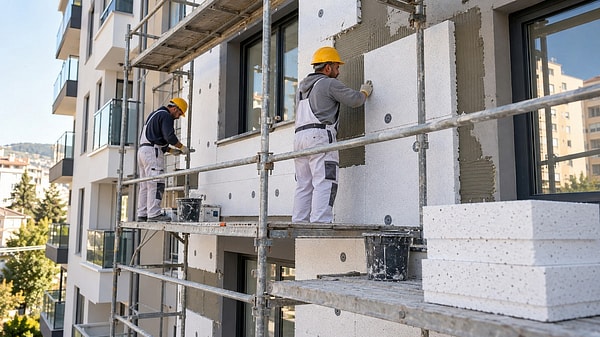
4. Pay attention to exterior wall insulation
Your walls are exposed to the sun all day. In poorly insulated buildings in particular, this can push up the temperature inside.
5. Have the hidden heat paths checked
Why are some corners of your home warmer or colder than others? One reason can be thermal bridges in the structure. Columns, balcony connections and window surrounds can become points where heat passes more easily. Insulating these areas properly can reduce temperature differences between rooms and improve energy efficiency.
6. Don't let small gaps cause big energy losses
Ever felt a slight draught at the edge of a closed window? These gaps may look minor, but they can upset the temperature balance of your home. If hot air gets in while the air conditioner is running, the cooling system has to work harder. Fixing the seals around doors and windows is a small but effective step.
Don't let your windows invite the heat in.

7. Choose glass that keeps the heat out
Large windows and plenty of daylight are lovely, but in rooms that get the afternoon sun, the light coming through the glass can heat the home quickly. Solar control glass and thermally insulated window systems can reduce this effect, so you keep the brightness without the heat.
8. Stop the sun before it reaches the glass
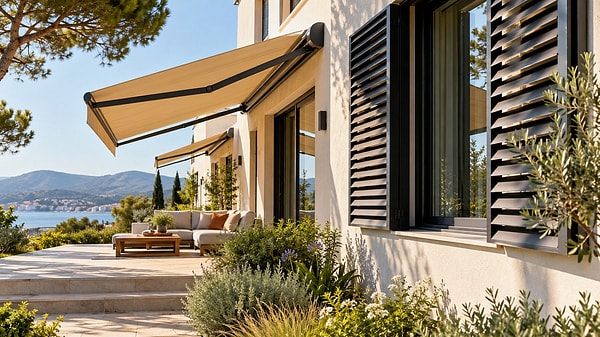
Closing the curtains can help, but blocking the sun before it hits the window is often more effective. On facades that get strong sun, consider exterior shutters, awnings and sun-shading systems.
9. Ventilate the right way
Opening the windows in summer doesn't always mean cooling down. If the air outside is hotter than inside, it can warm your home even more. Airing the house in the cooler evening and night hours, however, helps remove the heat that has built up inside. A layout that allows a cross-breeze between opposite windows is a real advantage.
Shade from nature and an expert's eye finish the job.
10. Use nature's shade
Sometimes the best cool spot is under a tree. Trees and well-planned planting around your home can reduce the amount of sunlight hitting your walls and windows directly.
11. Not every insulation solution suits every home
The insulation your neighbour had done may have worked wonders, but will the same solution give the same result in your home? Every building differs in location, hours of sun, construction materials and insulation needs. Before making a permanent change, a professional energy assessment can help you find out what you actually need and plan your budget more accurately.
Keşfet ile ziyaret ettiğin tüm kategorileri tek akışta gör!
 Test
 Gündem
 Magazin
 Video



Send Comment