


How Recycled Carpet Nylon Fibers Are Transforming Asphalt Roads


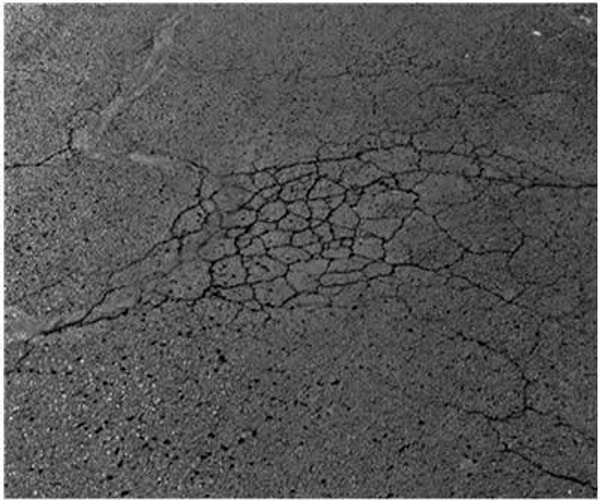
Could nylon fibers from waste carpets be a way to prevent road cracks? Researchers from North Carolina State University in the USA tested this question in a laboratory for a study they published in 2005, and the results were promising.
Here are the details...

Researchers conducted tests on the nylon fibers used on the surface of carpets.
The study was published in the February 2005 issue of the Textile Research Journal. The team assessed the impact of recycled carpet fibers on the fatigue cracking resistance of asphalt, measuring it through fracture energy.
In the initial stage, 15 denier nylon fibers were individually tested by pulling them out of the asphalt. The critical embedment length required for the fiber to adhere to the asphalt was determined to be 9.2 millimeters.
The optimal result was obtained in a mixture where 12-millimeter fibers were incorporated at a rate of 1 percent.
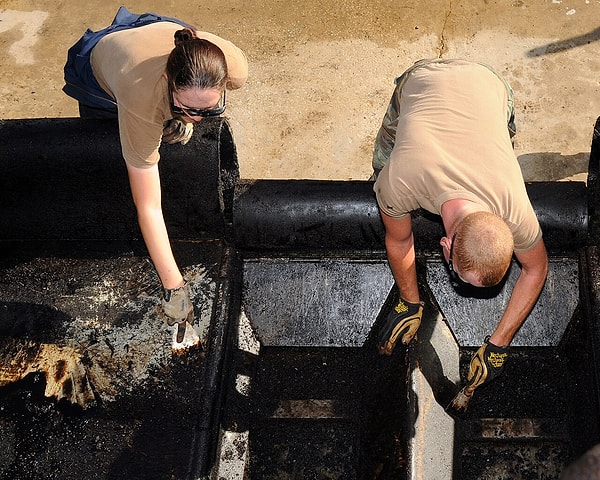
In the second stage, fibers of 6 and 12 millimeters were mixed into the asphalt at volumes of 0.25%, 0.5%, and 1%. The samples were then subjected to an indirect tensile strength test.
The fracture energy of the samples containing 1% of 12-millimeter fibers was found to be 85% higher than that of the asphalt without fibers. This result indicates an increased resistance to fatigue cracks.
Researchers indicate that they have not designed an appropriate asphalt mixture with fibers.
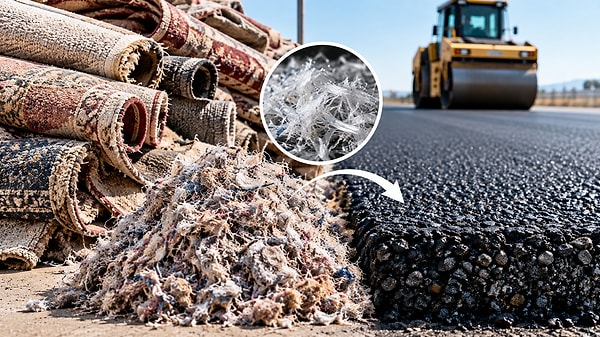
Nevertheless, researchers suggest that the increasing fracture energy holds potential to prolong the lifespan of asphalt, which could be achieved with the use of recycled carpet fibers.
According to data from the U.S. Environmental Protection Agency, 3.4 million tons of carpet and rug waste were generated in the country in 2018. Of this, only 310,000 tons, or 9.2%, were recycled; a staggering 73% ended up in landfills.
Keşfet ile ziyaret ettiğin tüm kategorileri tek akışta gör!
 Test
Test
 Gündem
 Magazin
 Video
Video



Send Comment