


Is Intelligence Inherited From The Mother And Height From The Father? A Geneticist Checks 9 Claims


'Baldness comes from your mother's father', 'a boy gets his intelligence from his mother', 'height comes from the father': sayings like these are repeated all the time. Geneticist Prof. Dr. Kaan Yılancıoğlu went through nine of them one by one in a thread on X and listed the scientific evidence for each. Onedio's editors then traced the studies he referred to.
The short answer: most of our traits are shaped by many genes and come from both parents. But some of the myths do contain a small grain of truth.

Baldness, intelligence and height are not passed down by one parent alone.
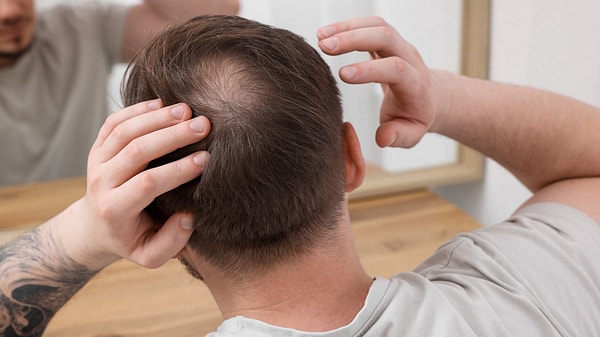
Does Baldness Come From The Maternal Grandfather?
Kaan Yılancıoğlu's answer: partly true.
The androgen receptor (AR) gene, the single gene most strongly linked to male pattern hair loss, sits on the X chromosome, and men always get their X chromosome from their mother. But larger studies using UK Biobank data later raised the number of gene regions linked to baldness into the hundreds, and most of them are on chromosomes that come from both parents.
A 2017 study by Pirastu and colleagues in Nature Communications examined genetic data from more than 70,000 men and identified 71 gene regions linked to male pattern baldness, 30 of them described for the first time. The researchers attributed about 82 percent of heritability to autosomal chromosomes and only 12 percent to the X chromosome. A critique published in the same journal in 2018 argued that the total heritability estimates were too high, but the conclusion that baldness is carried mainly by autosomal genes does not change.
Does A Man's Intelligence Take After His Mother?
Kaan Yılancıoğlu's answer: a classic myth.
The idea is fed partly by the fact that many genes that cause intellectual disability are on the X chromosome. But a gene that causes a disorder is not the same thing as the genes behind normal differences in intelligence. The heritability of intelligence rises with age, from around 40 percent in childhood to 50-80 percent in adulthood, which scientists call the 'Wilson effect'.
A 1981 review by Thomas Bouchard and Matt McGue in Science brought together 526 correlations from 111 family studies, more than 113,000 pairings in total. The average IQ correlation between a parent and a child living together was around 0.42, the results fitted a polygenic model, and the correlations did not differ meaningfully by the sex of the family members.
Is Height Influenced More By The Father?
Kaan Yılancıoğlu's answer: no.
Twin studies put the heritability of height at 70-80 percent. In the 'target height' formula doctors use, the parents' heights are averaged, then 6.5 cm is added for boys and subtracted for girls, so both parents carry equal weight. Whether a child reaches that genetic potential depends largely on nutrition, sleep and health conditions in childhood.
A genetic study published in Nature in 2022, using data from 5.4 million people, identified more than 12,000 genetic variants linked to height. They are spread across chromosomes from both parents, and there is no finding that height is passed on more by the father.
For skin ageing and lifespan, the evidence for a maternal link is limited.
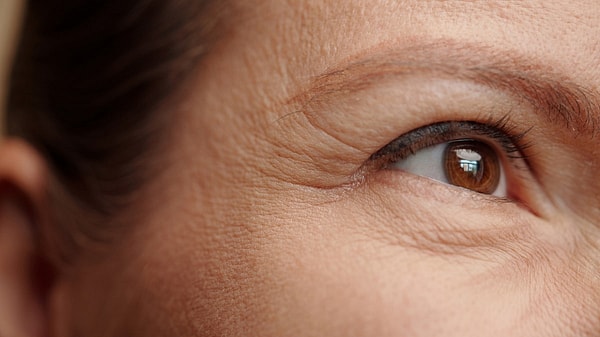
Does Our Skin Age Like Our Mother's?
Kaan Yılancıoğlu's answer: weak evidence.
Some mother-daughter studies show similarities, but this is not a general rule. Mothers and daughters usually share an environment, a diet and sun habits, which makes genetic and environmental effects hard to separate. In studies of identical twins, the twin who smoked or had more sun exposure had a face that looked noticeably older.
A 2024 study by Zhang and colleagues in Clinical, Cosmetic and Investigational Dermatology included 87 Chinese women from the same community, 40 of them mother-daughter pairs, and observed a consistent pattern between mother and daughter in signs such as wrinkles, sagging and pigmentation. The sample is small, however, and no heritability rate was calculated.
Is Our Lifespan Similar To Our Mother's?
Kaan Yılancıoğlu's answer: partly.
Mitochondria have their own DNA, and it is passed on only by the mother. A 2025 study by Burt and colleagues in eBioMedicine used the population database of the US state of Utah, examining 176 million kinship ties among more than 1 million people born between 1700 and 1925. Relatives connected through the maternal line resembled each other more in longevity than other relatives did. Nuclear DNA explained 23-26 percent of longevity and mitochondrial DNA at least 5 percent, and sharing a maternal line with a long-lived relative was associated with an average of 11 extra months of life.
Even so, lifestyle, diet, smoking, access to health care and chance matter far more than genes.
Does A Short Temper Come From The Father?
Kaan Yılancıoğlu's answer: 'from the father' is a myth, but it is true that it is genetic.
Different meta-analyses put the heritability of aggression between 30 and 50 percent, and meta-analyses on impulsivity point to a genetic share close to 50 percent. The MAOA gene, long called the 'warrior gene' in the media, is on the X chromosome, so men get it from their mothers, not their fathers, and on its own its effect is small.
A 2002 meta-analysis by Rhee and Waldman in Psychological Bulletin combined 51 twin and adoption studies on antisocial behaviour and aggression and found that the behaviour was moderately explained by both genetic and environmental influences.
One claim on the list is simply true: the baby's sex is determined by the father.
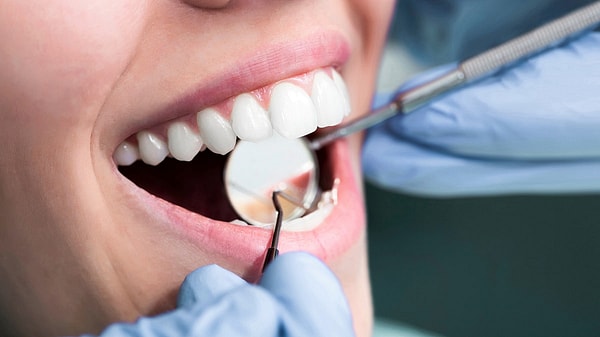
Do Teeth And Jaw Come From The Father?
Kaan Yılancıoğlu's answer: myth.
Tooth size, tooth alignment and jaw structure are polygenic traits, and skull and jaw development is also affected by environmental factors in childhood such as chewing habits, mouth breathing and diet. The 'Habsburg jaw' of Europe's Habsburg dynasty, thought to be linked to marriages between relatives, indicates that jaw shape is inherited, but not that it comes 'from the father'. No inheritance model in the scientific literature ties dental and jaw traits to a single parent.
Does The Father Determine The Baby's Sex?
Kaan Yılancıoğlu's answer: yes, definitely true.
Because women's chromosomes are XX, the egg always carries an X chromosome. In men the structure is XY, so half of sperm cells carry an X and half a Y. If a sperm carrying X fertilises the egg, the baby is a girl (XX); if it carries Y, a boy (XY). Apart from some very rare chromosome and gene variations, chromosomal sex is determined by the chromosome carried by the father's sperm. Women who have been blamed for 'not bearing a son' have no biological role in this.
Is A Child's Risk Higher If The Father Is Obese?
Kaan Yılancıoğlu's answer: partly true.
Genes that increase susceptibility to obesity come from both parents, but researchers are also looking at epigenetics: chemical marks that affect how genes are switched on and off without changing the DNA sequence. A 2013 study by Soubry and colleagues in BMC Medicine examined the cord blood of 79 newborns and found lower methylation of the growth-related IGF2 gene in babies whose fathers were obese. The field is still debated: the samples are small, and some later studies found no notable link between obesity and sperm methylation.
The Bottom Line
'The single parent/grandfather rule is usually a myth,' Kaan Yılancıoğlu says. Most traits involve many genes and come from both parents. In a few cases one parent's contribution is a little more visible, such as the AR gene on the X chromosome in baldness and maternally inherited mitochondrial DNA in lifespan, but even these are a small part of the whole picture.
Keşfet ile ziyaret ettiğin tüm kategorileri tek akışta gör!
 Test
 Gündem
 Magazin
 Video



Send Comment