


Hottest Day of the Year Begins: Critical Symptoms You Should Never Ignore


As the summer heat is progressively intensifying across Turkey, a critical last-minute warning has been issued by the General Directorate of Meteorology. According to the most recent assessments, thermometers in many cities are expected to reach their highest levels of the year, nearing the 40-degree mark. Particularly in coastal regions with high humidity and major cities, the perceived heat is anticipated to be much more stifling. Associate Professor Dr. Özge Özden Kayhan, a cardiology specialist, has outlined the necessary precautions that citizens should take against the heat.

The Meteorology Department has announced: The hottest day of the year has arrived.
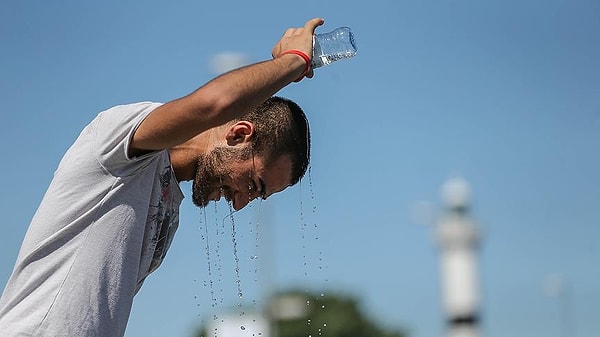
Governorships and meteorology issued back-to-back warnings for July 1, 2026. The data indicates that the hottest day is imminent, and the heatwave that has claimed hundreds of lives across Europe is expected to hit our borders, prompting experts into action.
This extreme heat poses a threat to citizens with chronic health conditions. In a conversation with Şenay Yurtalan from TGRT News, Associate Professor of Cardiology, Dr. Özge Özden Kayhan, highlighted the strain that excessive heat places on the cardiovascular system.
How does high humidity and temperature impact the heart?
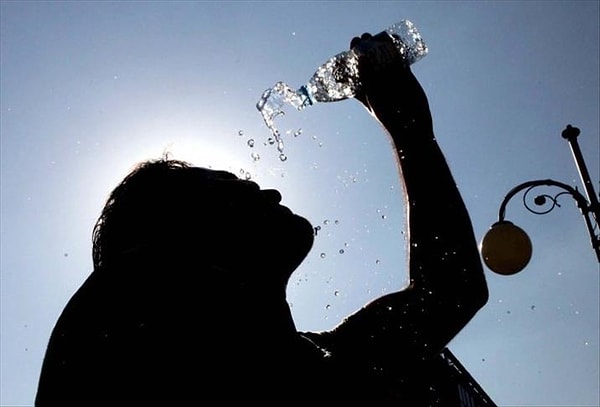
Associate Professor Kayhan pointed out that during the summer months, the body exerts significantly more effort than usual to cool itself down due to the rising humidity, which directly strains the heart. He highlighted that as the body attempts to balance its temperature, blood vessels expand and the sweating mechanism kicks in. Dr. Kayhan emphasized that not only water is lost through sweating, but also vital minerals such as sodium and potassium. The increase in humidity hinders the evaporation of sweat, effectively doubling the load on the heart. Scientific research also indicates a significant increase in cases of heart attacks, arrhythmias, and heat strokes during periods of heatwaves.
Who is in the risk group?
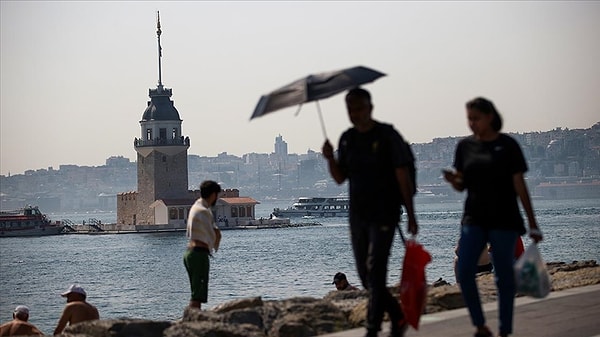
The expert underscored that the following groups need to exercise extra caution:
Senior citizens aged 65 and above,
Individuals with heart, vascular, and high blood pressure conditions,
Those suffering from diabetes and kidney insufficiency,
Pregnant women and young children,
Individuals struggling with excessive weight.
Moreover, it was pointed out that patients taking diuretic medications need to be particularly vigilant against fluid loss.
"Tea and coffee can't substitute for water." Pay attention to these signs!
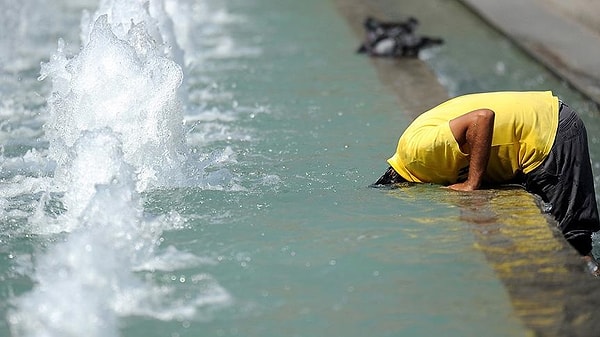
Addressing common misconceptions in society, Associate Professor Özge Özden Kayhan emphasized that the consumption of tea and coffee cannot replace water intake, but on the contrary, it may expedite the body's water loss. Alongside this, it was underscored that one should not enter vehicles parked under the sun without airing them out first. Most importantly, it was expressed that the dosage of heart and blood pressure medications should not be reduced according to the summer schedule without consulting a doctor. It was firmly reminded that symptoms such as dizziness, chest pain, palpitations, and shortness of breath should not be dismissed as merely 'due to the heat' and in such instances, it is crucial to immediately seek medical attention.
Keşfet ile ziyaret ettiğin tüm kategorileri tek akışta gör!
 Test
Test
 Gündem
 Magazin
 Video
Video



Send Comment