


Harvard Study Proves How Fake Treatments Can Heal


The placebo effect, a phenomenon that stands as one of the greatest paradoxes in modern medicine, demonstrates that even sham treatments can induce real physiological changes. Groundbreaking research conducted by Dr. Ted Kaptchuk from Harvard Medical School has proven that patients can experience healing, even when they are aware that the medication is a mere placebo.

What is the Placebo Effect and How Does it Work?
The placebo effect is defined as a medically inactive treatment causing genuine physiological and psychological improvement in a patient. This phenomenon demonstrates the powerful influence of the brain's expectation and belief systems on the body.
In a groundbreaking study conducted in 2010 with patients suffering from irritable bowel syndrome, Dr. Ted Kaptchuk from Harvard Medical School observed significant symptom improvement in 59% of the patients, even though he explicitly told them, 'these pills are placebos, meaning fake drugs.' This 'open-label placebo' study revealed that the placebo effect is not merely a deception, but triggers real biological mechanisms.
The Brain's Placebo Response: Neuroscientific Evidence
Modern neuroimaging techniques have made the actual changes in the brain due to the placebo effect visible. fMRI and PET scan studies show that patients who receive a placebo experience changes in brain activity similar to those who take real medication.
During the placebo effect, three key neurotransmitter systems in the brain are activated: the endorphin system for pain and relaxation, the dopamine system for reward and motivation, and the serotonin system for mood and overall well-being. The activation of these systems displays patterns quite similar to the biochemical processes triggered by real drugs.
Fabrizio Benedetti's Pain Research
Prof. Fabrizio Benedetti from the University of Turin is a pioneer in placebo research. Over his 25-year research career, he has conducted in-depth investigations into the mechanisms of the placebo effect in areas such as pain, Parkinson's disease, and depression.
In a study published in the Neuron journal in 2005, Benedetti demonstrated that the pain-relieving effect of a placebo could be completely blocked by naloxone, an opioid antagonist. This finding offered biochemical evidence that the placebo effect truly activates the endorphin system in the brain. The researcher succinctly summarizes this mechanism with the statement, 'The placebo effect is the brain's own pharmacy.'
The Nocebo Effect: The Harm of Negative Expectations
The nocebo effect, which can be considered the dark side of the placebo effect, is the ability of negative expectations to generate real physical symptoms. Research from Harvard has shown that patients can experience these side effects even when taking a fake drug, simply by reading a list of potential side effects.
The nocebo effect is particularly strong in subjective symptoms such as pain, dizziness, nausea, and fatigue. This phenomenon underscores the importance of how doctors convey information to patients in medical practice. Studies in Germany have calculated that the nocebo effect increases treatment costs by billions of euros each year.
Ethical Debates in Clinical Trials
The use of placebos represents one of the most contentious areas in medical ethics. The principles of patient rights and informed consent create a dilemma for doctors regarding whether they should administer fake treatments to their patients.
With the 2016 update by the American Medical Association, the use of 'open-label placebos' has become ethically acceptable. In this approach, the patient is aware that the treatment they are receiving is a placebo, but it is explained that they may still derive benefits from it. According to a 2020 report by the Turkish Medical Association, this method is particularly promising in treating functional diseases such as chronic pain and irritable bowel syndrome.
Factors Amplifying the Placebo Effect
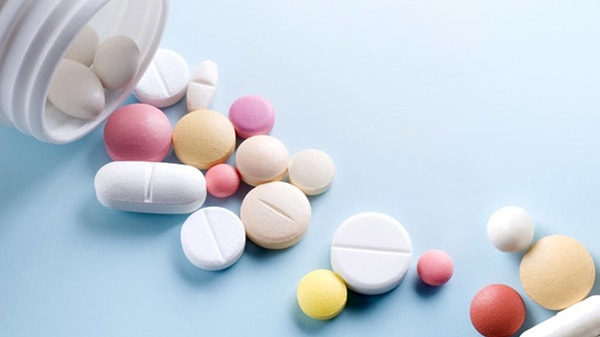
There are various factors that determine the power of the placebo effect. The complexity of the treatment ritual, the approach of the healthcare personnel, the appearance of the medication, and the cultural background of the patient all alter the magnitude of the effect.
A 2019 meta-analysis by Johns Hopkins University revealed that placebos in injection form were 15% more effective than pills. Moreover, it was found that blue pills were more successful in treating sleep disorders, while red ones had a more stimulating effect. These findings underscore how intricately the placebo effect is tied to complex psychological and cultural factors.
As of 2025, research into the placebo effect is advancing towards the integration of personalized medicine and artificial intelligence. Researchers from MIT are investigating how genetic factors influence the placebo response, striving to predict which patients will be more susceptible to this effect.
Studies also indicate that virtual reality technology bolsters the placebo effect, which is promising. VR-supported placebo applications by Stanford University demonstrate improvement rates of up to 40% in patients with chronic pain.
Keşfet ile ziyaret ettiğin tüm kategorileri tek akışta gör!
 Test
Test
 Gündem
 Magazin
 Video
Video



Send Comment