


Critical Differences Between 14, 18, and 22 Karat Gold: Do Not Waste Your Money


As the volatility in gold prices continues, one of the topics that citizens are most curious about is the differences between gold carats. Is it for investment or for use as jewelry? According to the data from the Turkish Standards Institute (TSE), the purity ratios determined not only affect the brightness of the gold, but also directly impact the return on your investment. What is the difference between 14, 18, and 22 carat gold?

What are 14, 18, and 22 karat gold?
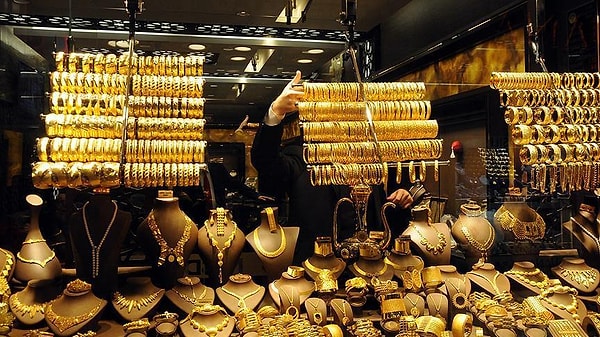
The concept known as 'karat' in common parlance actually signifies the purity level of gold. This system, which reveals how much of a piece of jewelry or a gold bar's weight of 1000 units is pure gold, establishes the balance of trade. According to the standards of 2025; 14-karat gold contains 58.5% pure gold, 18-karat gold contains 75%, and 22-karat gold contains 91.6% pure gold. 24-karat gold, on the other hand, is considered 'pure gold' with a purity of 99.9%.
Why is 22-karat gold the most commonly purchased?
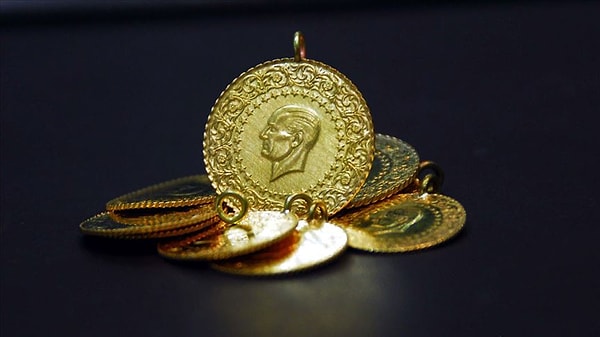
In Turkey, when it comes to 'under-the-pillow' investments, 22-carat gold immediately springs to mind. This preference is purely mathematical. Experts emphasize that 22-carat gold causes the least loss to the investor due to its malleability and its ability to maintain its value most effectively. The regulations of the Capital Markets Board and the standards in the gold exchange typically use this level as a benchmark. On the flip side, although 14 and 18-carat golds, fortified with alloys such as copper and silver, are more durable, they can potentially lead to significant value loss when sold due to labor costs.
Bad news for those bringing gold from abroad: Risk of a 36% loss!
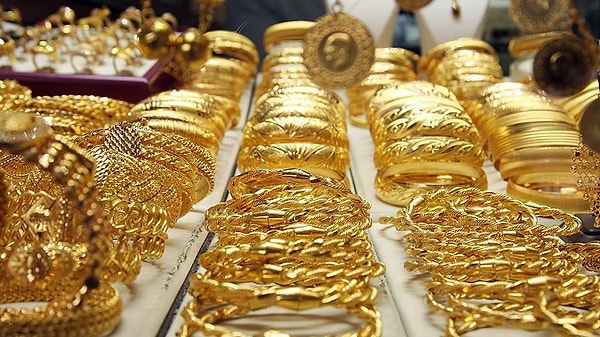
In Europe and the US, the use of 14 to 18 karat gold is quite prevalent. However, when these jewelry pieces are brought back to Turkey, they can turn into a complete disappointment. According to calculations, an 18-karat bracelet brought from abroad suffers a value loss of 18.1% when evaluated against Turkey's 22-karat standards. As for 14-karat items, this loss rate can soar up to 36.1%.
Five-step checklist when buying gold!
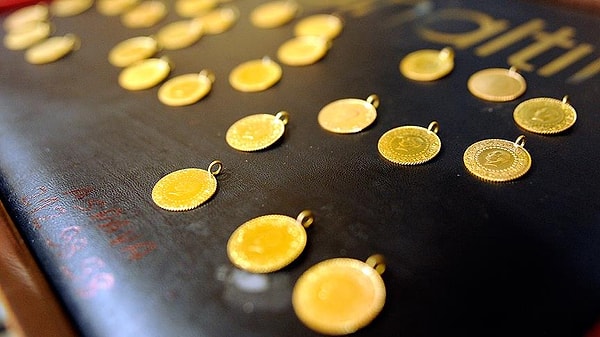
With the advent of the new era, the most crucial criterion to be mindful of when buying gold is the TSE stamp. From now on, it's mandatory for every product sold to have the carat information, TSE logo, and manufacturer code. It's not enough just to have the carat written; the jeweler's unique 'responsible manager stamp' also signifies quality assurance of the product.
Here are five points to consider when buying gold:
Stamp Verification: Look for markings of 585, 750, or 916 on the product.
TSE Logo: Check for the logo to avoid underground production.
Labor Cost: Be sure to inquire about the labor loss in the sale when buying jewelry.
Receipt and Warranty: Always document every purchase.
Buyback Guarantee: Learn about the spread your jeweler will apply when buying back the product.
The statements contained in this content are not investment advice.
Keşfet ile ziyaret ettiğin tüm kategorileri tek akışta gör!
 Test
Test
 Gündem
 Magazin
 Video
Video



Send Comment