


Cem Karaca: The Voice of Revolution and Anatolian Rock


Cem Karaca, one of Turkey's most iconic rock musicians, was a symbol of counterculture and political activism, using his powerful voice and evocative lyrics to challenge the status quo and inspire social change. He was a pioneer in the Anatolian rock movement, a fusion of Turkish folk and rock music, which drew on the deep wellsprings of Turkish history and culture to create a sound that was distinctly modern yet deeply rooted in the past.

Early Life and Cultural Influences
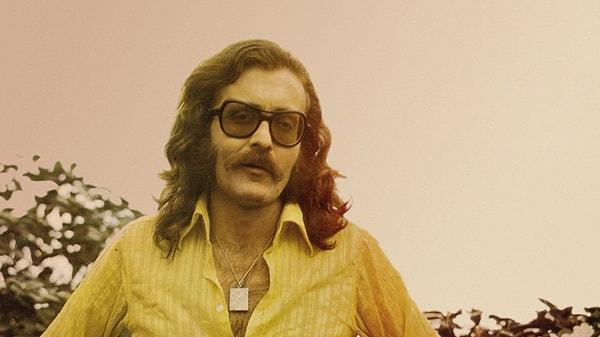
Born on April 5, 1945, in Istanbul, Cem Karaca was surrounded by music and theater from an early age. His mother, İrma Felekyan, known as Toto Karaca was of Armenian descent and a famous actress, while his father, Mehmet İbrahim Karaca, was a theatre artist of Azerbaijani descent. This rich cultural background set the stage for Karaca's future career, imbuing him with an appreciation for a wide variety of artistic forms and expressions.
A New Fusion of Sound: Anatolian Rock
Karaca began his music career in the early 1960s with his band, Apaşlar (The Rowdies), before moving on to other groups like Kardaşlar (The Brothers) and Dervişan (The Dervishes). His music was an alchemical blend of rock and traditional Turkish folk tunes, often using the bağlama, a stringed folk instrument, to add an unmistakably Anatolian touch to his songs.
The Turn to Political Activism
In the late 1960s and throughout the 70s, Karaca's music took a distinctly political turn. He began to write songs about the social and political issues plaguing Turkey, including government corruption, societal inequality, and the suppression of free speech. His song 'Deniz Üstü Köpürür' (Sea Foams Over), released in 1969, became an anthem for Turkey's left-leaning political movements.
"Bu Son Olsun": Cem Karaca's Timeless Anthem of Love and Hope
'Bu Son Olsun' is a timeless anthem that continues to inspire listeners. Karaca's emotive vocals convey a depth of feeling that transcends language barriers. In 'Bu Son Olsun,' Cem Karaca showcased his remarkable talent as a songwriter, capable of weaving complex emotions into a single song. Today, the song remains a beloved piece in his discography, touching the hearts of listeners with its profound exploration of love and hope.
"Resimdeki Gözyaşları":The Harmonious Symphony of Love, Longing, and Loss
Another remarkable song in his repertoire is 'Resimdeki Gözyaşları' (Tears in the Picture). This song demonstrates Karaca's ability to beautifully blend Turkish folk motifs with the hard-edged energy of rock music. The melancholic undertones and introspective lyrics illustrate his capability to touch upon universal themes of longing, love, and loss.
"Ceviz Ağacı": Cem Karaca's Stirring Ode to Freedom and Mortality in the Spirit of Nazım Hikmet's Poetry
One of Karaca's most powerful songs is 'Ceviz Ağacı' (Walnut Tree), a musical adaptation of a poem by Turkish poet Nazım Hikmet. The song is a poignant expression of longing for freedom and a reflection on mortality. Karaca's impassioned rendition has made it a classic and a beloved anthem for many.
"Islak Islak": A Surrealistic Journey
The song 'Islak Islak' is one of Karaca's best-known hits. Its surrealistic lyrics and progressive rock sound encapsulate the spirit of the Anatolian rock movement that he helped pioneer. Despite its enigmatic lyrics, many interpret the song as an exploration of intense emotions and the human experience.
"Tamirci Çırağı": Music as a Weapon of Protest
Tamirci Çırağı' is one of Cem Karaca's most iconic songs, a powerful piece that captures his unique blend of Anatolian rock and social commentary. Released in 1974, it has continued to inspire audiences with its distinctive sound and evocative lyrics.
"Sevda Kuşun Kanadında": Soaring Love: Exploring the Passion and Transcendence
Released in 1976, 'Sevda Kuşun Kanadında' showcases Karaca's ability to convey deep emotions through his powerful vocals and poetic lyrics. The song tells a tale of passionate love, using metaphorical imagery to describe the intensity and transcendence of romantic feelings. The lyrics paint a vivid picture of a love that soars like a bird, defying boundaries and limitations. It captures the essence of longing, desire, and the bittersweet journey of love.
Cem Karaca: The Unending Echo of a Revolutionary Voice in Anatolian Rock
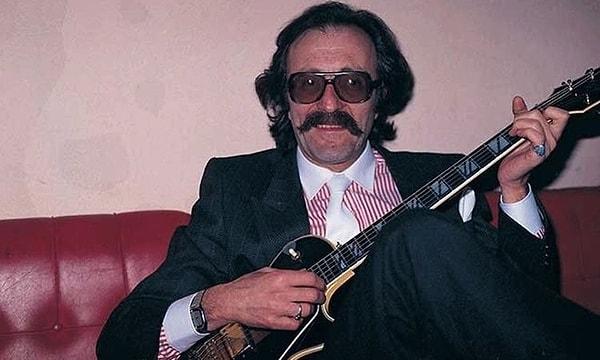
Cem Karaca passed away on February 8, 2004. But his legacy continues to inspire and influence musicians both in Turkey and across the globe. He was a man of principles, an artist who used his music not just to entertain, but to express his deep convictions about freedom, justice, and the human spirit. His life serves as a testament to the power of art and music to challenge, inspire, and transform society.
Keşfet ile ziyaret ettiğin tüm kategorileri tek akışta gör!
 Test
Test
 Gündem
 Magazin
 Video
Video



Send Comment