


Another Benefit of the “Magic” Exercise Done Without Moving a Muscle Has Been Proven


Plank is a type of exercise where you strive to maintain your entire body in a straight line, parallel to the ground. This movement, which initially appears simple, is in fact much more challenging than it seems. When executed correctly, the plank exercise offers numerous benefits to the body.
A study published in the British Journal of Sports Medicine has proven that planking, along with another type of exercise, also has an impact on blood pressure.
Source 1
Source 2

Exercises such as planks and wall squats are among the most effective strategies for reducing tension.
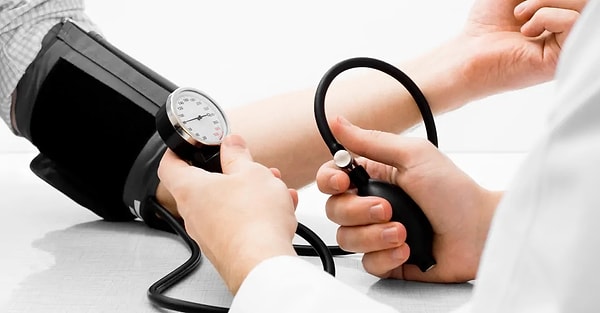
As reported by BBC, these exercises we perform to improve our physique are also beneficial for our blood pressure. A study published in the British Journal of Sports Medicine in 2023 shifted the focus from activities such as running and cycling, which have been emphasized up until now, towards planks and wall squats.
The research, conducted with a total of 16,000 individuals, demonstrated that exercises like wall squats and planks are more effective than aerobic activities.
One of the authors of the study, Dr. Jamie O'Driscoll, explained that in isometric (stationary) exercises, the muscles contract for two minutes, and when released, the blood quickly springs into action. If one remembers to breathe, the blood flow is increased.
So yes, those famous planks and wall squats (wall sit) you do without moving a muscle are even more effective than brisk walking in lowering blood pressure.
So, how does blood pressure get affected without any physical movement?
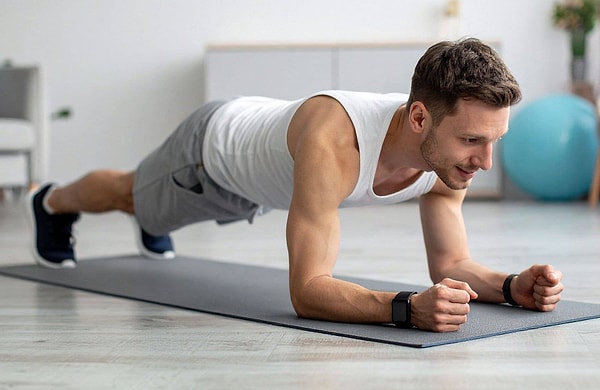
Isometric exercise is a type of workout where your muscles actively contract, yet their length remains unchanged and your joints stay fixed. In a nutshell, your muscles are hard at work, but to an outsider, you appear as still as a statue. This state of immobility creates a miraculous effect within our blood vessels.
When you perform exercises like wall squats or planks, you intensely contract your muscles for an extended period of time (say, 2 minutes). During this time, the blood flow to the vessels in the area temporarily decreases.
The moment you finish the exercise and let go, there's a sudden and powerful rush of blood flow in the vessels.
This abrupt surge of blood triggers signals that enhance the flexibility of the vessels and promote their expansion. Consequently, when the vessels relax, your resting blood pressure (that is, your tension) is permanently lowered.
All forms of exercise are effective in reducing blood pressure.
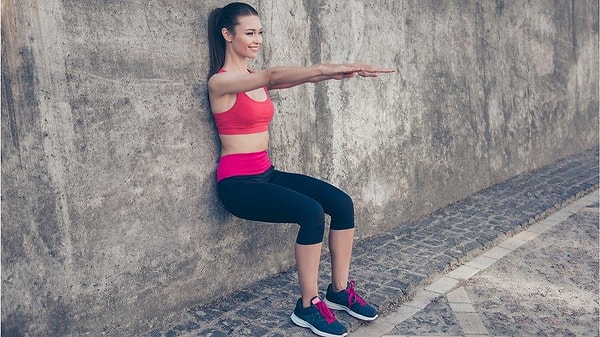
Researchers have compared aerobic exercises (running/walking), weight training, HIIT (high-intensity cardio), and isometric exercises. All exercises have been proven to be effective in lowering blood pressure. However, the most effective exercise was chosen to be the wall squat, with a success rate of 90.4%.
Moreover, the best part about these exercises is that there's no need for you to hit the gym. You can do these exercises at home, even without any equipment. All you need is an empty wall and floor.
How to Do a Wall Squat?
Lean your back fully against the wall. Take about two steps forward with your feet and slide down as if there's an imaginary chair beneath you by bending your knees to 90 degrees. The moment your leg muscles start to burn, you know you're in the right spot. If you're doing this exercise for the first time, there's no need to push yourself too hard. You can gradually increase the time you hold this position.
How to Do a Plank?
Get into a push-up position, but rest on your elbows instead of your palms. Make sure your body is in a straight line from head to toe; no lifting or dropping your hips. Stay in this position as long as you can.
Dedicate time for exercise 3 days a week.
Try to maintain your chosen exercise (for example, a wall squat) for 2 minutes without breaking form.
Rest for 23 minutes after each 2-minute set.
Repeat this for a total of 4 sets.
The most common mistake made while doing these exercises is holding your breath when you're struggling. Holding your breath can cause a sudden spike in blood pressure. Throughout the exercise, you should definitely continue to breathe deeply, calmly, and regularly.
So, are there any other benefits to doing planks?
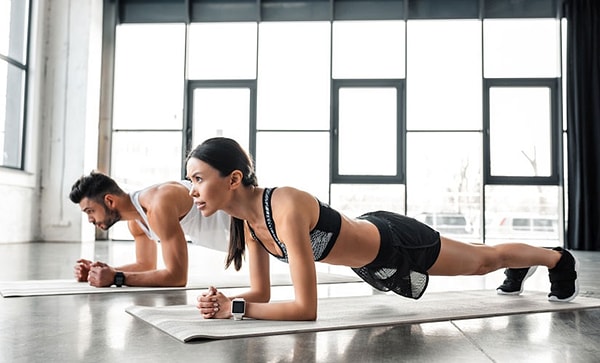
The popularity of the plank exercise is not without reason. While many people perform the plank primarily for 'abdominal muscles', this exercise actually serves a much larger purpose.
The plank works not only your abdominal muscles but also your glutes, pelvic floor, and deep back muscles simultaneously. It helps you achieve a strong core, which is the fundamental support point for all your physical movements in life, such as walking, carrying loads, and bending.
The plank strengthens the muscles that support the spine, helping the body regain its natural and upright posture. When you regularly perform planks, you'll notice that you sit and walk more upright throughout the day.
Plank significantly reduces the risk of back pain by strengthening the back muscles without overloading the spine. This is precisely why it's frequently recommended by doctors and physiotherapists for managing herniated discs/back pain.
The plank enhances your overall body balance by teaching your muscles to work together harmoniously. Additionally, because your collarbones, shoulder blades, and toes stretch during the movement, it indirectly increases your body's flexibility.
But the plank doesn't just train your muscles, it also trains your willpower. Waiting for those last 15 seconds while looking at the stopwatch is a mental challenge. Moreover, it stretches and opens up the shoulder/neck muscles that tense up and stiffen from stress throughout the day, thus relaxing the nervous system and boosting your mood by triggering endorphin release.
NOTE: If you have been diagnosed with hypertension (high blood pressure), have cardiovascular disease, or are taking medication, you should definitely consult your doctor before adding these exercises to your routine. Exercise is a great ally, but it can never replace medical supervision and medication treatment.
Keşfet ile ziyaret ettiğin tüm kategorileri tek akışta gör!
 Test
Test
 Gündem
 Magazin
 Video
Video



Send Comment