


What You Must Do First After Yelling at Your Kid, According to Child Psychologists


Every parent is familiar with those moments on the parenting journey when patience runs out, voices are raised, and a deep sense of guilt follows. However, experts emphasize that it's not the outbursts of anger but the reaction that follows these moments that determines the impact on the child's psychology. Child psychologists Dr. Caroline Danda and Dr. Allison Brazendale explain the single most important strategy to be implemented after yelling: Repair.

Clinical psychologists, who point out that losing control in times of accidents or intense stress is a part of human nature, remind us that no parent is obligated to be perfect.

What matters is how the relationship is mended after such an emotional rupture.
Dr. Caroline Danda describes the repair process as 'a process of identifying the problem and restoring the relationship, rather than acting as if a mistake never happened.' Dr. Allison Brazendale, on the other hand, suggests that a proper repair sends a message to the child's nervous system that 'Even if we experience tough times, our relationship and love are safe.'
Failing to mend a relationship after a dispute can leave profound scars on a child.
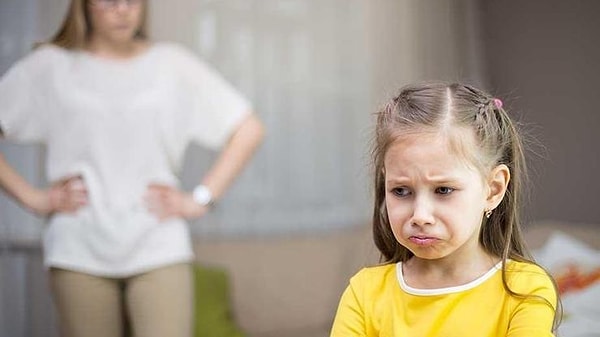
A child left alone with a parent's anger tends to heighten their anxiety level as their brain switches into protection mode. Children can interpret these rifts as 'I'm bad', 'I'm asking for too much', or 'I'm not loved when I have big emotions', leading to a loss of self-confidence. The repair process is all about interrupting this negative inner voice and restoring confidence.
Experts outline a three-step strategy that parents should follow after a shouting or anger incident:
Before talking to your child, pause, take a deep breath, and balance your own emotions. Your calmness provides your child with time to calm down as well.
Take responsibility without using phrases like 'But you pushed me too hard'. Admitting your mistake demonstrates honesty and accountability to your child.
Hug your child, approach them with a warm voice, and offer affirmation. For example: 'I apologize for shouting at you. I felt overwhelmed, but it was not right for me to act that way. I love you.'
Psychologists recommend pausing before reacting in anger, washing your face with cold water if necessary, or taking a short walk. Temporarily distancing yourself from the situation by telling your child, 'I need a minute to gather myself right now', both helps the parent control their anger and prevents the child from feeling abandoned.
Keşfet ile ziyaret ettiğin tüm kategorileri tek akışta gör!
 Test
Test
 Gündem
 Magazin
 Video
Video



Send Comment