


What Is Japandi Style? The Calm Blend Of Japanese And Scandinavian Design


Picture the homes you have visited lately. Chances are many of them were decorated in a simple, pared-back way, because function and natural materials have moved to the front. To give their homes a calm, peaceful feel, more and more people are turning to minimalist decor.
Let's take a closer look at Japandi, the style born from Japanese and Scandinavian design.

Japandi is where Japanese and Scandinavian design meet.
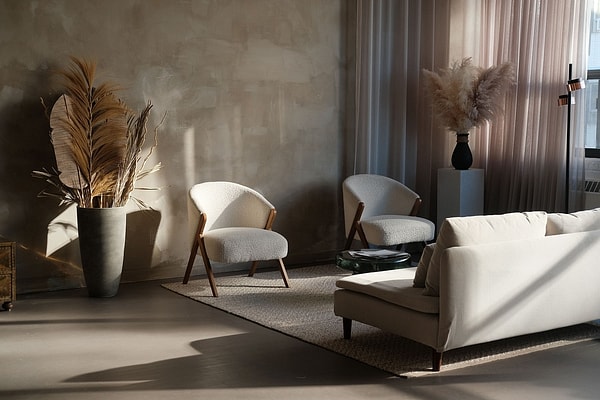
The style combines the serene character of Japanese decor with the practical approach of Scandinavian design. From the Japanese side come minimalism, a connection with nature and a home stripped of unnecessary detail. From the Scandinavian side come comfort, function and brightness.
Together, the two traditions offer both simplicity and the warmth of a home that feels lived in.
Natural materials are essential
Look a little closer and you will see the style takes its cue from nature. Wood, bamboo, rattan, linen, cotton, stone and ceramics define its character. Wooden surfaces on furniture add warmth, while textiles lean on natural textures such as linen and cotton. Ceramic vases, handmade bowls and stone-look accessories complete the natural look.
In short, the aim is to move away from anything that looks artificial and create an atmosphere that feels connected to nature.
Neutral, calm colours lead the palette.
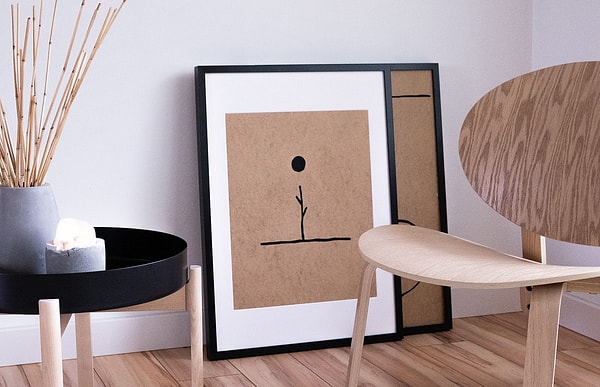
The colour palette is built on soft, natural tones. White, beige, cream, light grey, sand and earthy shades appear often, which is where the Japanese influence shows. Dark brown, charcoal and near-black tones are used too, while the Scandinavian side comes through mostly in lighter colours.
This does not mean a colourless home. Olive green, terracotta, deep blue and warm earth tones can add accents. What matters is that colours are spread in a calm, balanced way.
A warm kind of minimalism
You might think this simply means owning fewer things. The minimalism here dislikes needless consumption and visual clutter, but the home does not have to feel empty or impersonal. A few ceramic pieces you love, some books and a natural-looking artwork all have a place.
The key is keeping the home warm even with fewer objects. 'Less but meaningful' sums the style up well.
Furniture has to be functional, not just beautiful.
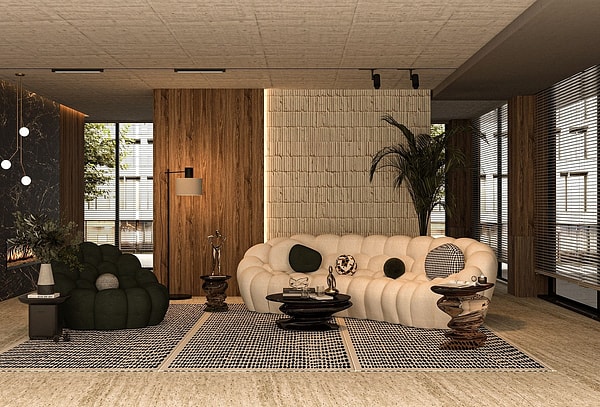
It is not enough for furniture to look good; it also needs to be practical and comfortable. This is where the Scandinavian idea of function is most visible. Simple pieces without heavy ornamentation are preferred, while low, natural wood furniture reflects the Japanese influence.
Choosing well-made, timeless pieces fits neatly with the Japandi philosophy.
Natural light and warm lighting complete the look.
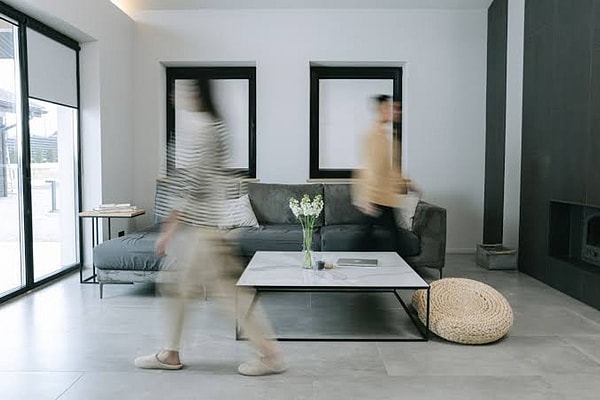
Lighting is one of the elements that shape the Japandi atmosphere most. Making the most of daylight helps a room feel open and peaceful, so windows are kept free of unnecessary furniture and heavy curtains.
For artificial light, warm tones are chosen over cold white light. Lamps and fittings with wood, paper, bamboo or fabric details suit the style best.
Keşfet ile ziyaret ettiğin tüm kategorileri tek akışta gör!
 Test
 Gündem
 Magazin
 Video



Send Comment