


The Real Meaning Behind 15 Behaviours of Your Cat That You Thought Were Strange!


Cats can sometimes behave as if they are the most enigmatic creatures in the world. One moment they're off on a sprint, the next they're napping on your chest. At times, they might give you a slow blink, or present you with their prey as if it were a gift. However, the majority of these behaviors are far from random. In fact, cats communicate far more than we realize, using their body language and vocalizations.

A slow blink is a sign of trust.
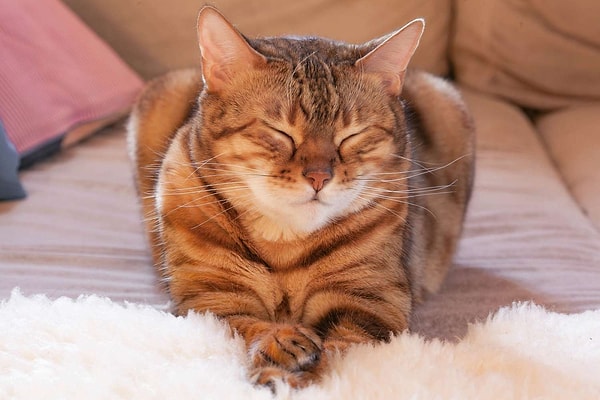
If your cat is looking into your eyes and slowly blinking, it could signify comfort and trust. Cats in the wild don't easily break eye contact when they feel threatened. Their slow blinking indicates a sense of safety in their current environment.
This behavior is often interpreted as a sign of affection in cat language. Humans too can reciprocate this calm message by slowly blinking at their cats.
Rubbing its head against you signifies that it sees you as part of its family
When cats rub their heads, cheeks or chins against people, they are leaving their scent. This is because they have glands that secrete pheromones in these areas of their face. This scent signifies a safe space and familiar person for the cat.
If your cat is touching your leg or hand with its head, it might be accepting you as part of its social sphere. This behavior carries as much a sense of belonging as it does love.
The habit of kneading with its paw stems from its kittenhood.
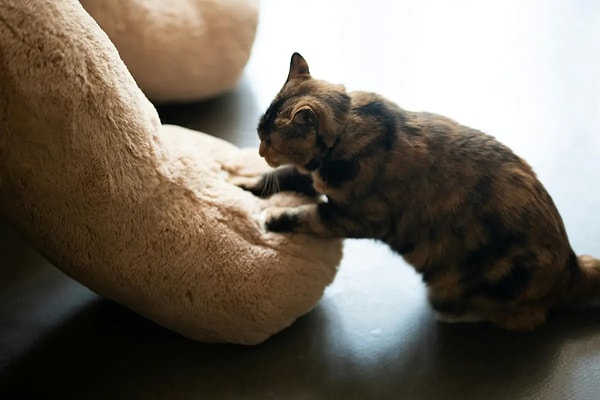
The kneading behavior of cats on blankets, pillows, or human laps is a remnant from their kittenhood. Kittens perform the same action while nursing from their mother. Its continuation into adulthood is typically associated with feelings of comfort and security.
During this, purring, squinting of the eyes, or drooling may be observed. The environment has become excessively comfortable for your cat.
Purring doesn't always signify happiness
Cats' purring is often associated with tranquility. However, purring does not only occur when they are happy. Cats may also purr when stressed, ill, or trying to soothe themselves.
The low-frequency vibrations of this sound can aid in calming the cats. Therefore, purring is seen as both an act of affection and a self-soothing behavior.
If your cat is making short, melodic sounds like "mrrp" or "brrr", it's generally indicative of positive communication.
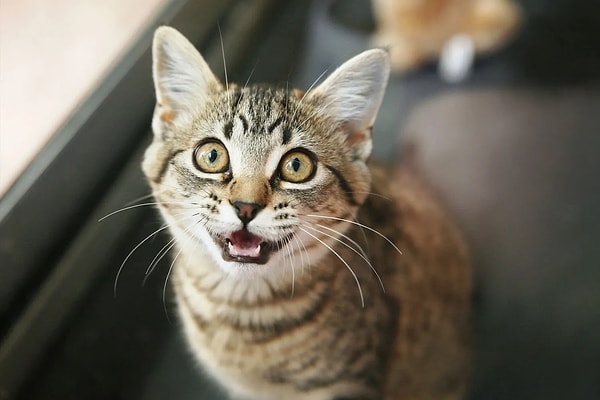
Mother cats use similar sounds when calling their kittens. In adult cats, however, this can signify a desire for greeting or being followed.
Upon entering a room, making eye contact, or when they want food, they may make this sound. It carries a softer and more social message than meowing.
The tail reveals their mood
The cat's tail is one of the most clear indicators of their emotions. A tail standing upright is generally associated with confidence and happiness. A puffed-up tail can indicate fear, a sense of threat, or a defensive state.
If the tip of the tail is twitching rapidly, it could be a sign of impatience or discomfort. Therefore, to understand a cat, one should not look at the tail alone, but also consider the position of the ears and body posture.
A bite is not always a sign of affection, but sometimes a boundary warning.
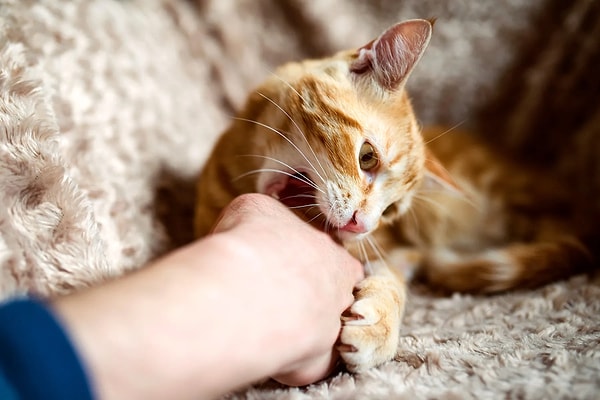
If your cat suddenly gives you a slight nibble while being petted, it might be overstimulated. Some cats don't enjoy being stroked for extended periods. Signs of an impending bite could be a twitching tail tip, ears folding back, and body tensing up.
Gentle love bites may also occur, but the difference lies in the body language. If the cat retreats after biting, it's likely discomforted. If it continues to play, the behavior is more likely related to playfulness.
Excessive grooming could be a sign of stress
Cats spend a lot of time grooming themselves. However, if the licking behavior becomes excessive, it could indicate stress, boredom, allergies, or skin issues. Thinning or greasy fur, or constant licking of specific areas, should raise concern.
When cats lick humans, it could be related to social bonding. It could be considered a continuation of the grooming behavior they experienced from their mother during their kittenhood.
Bringing prey could be perceived as a gesture of gift-giving or a teaching behavior.
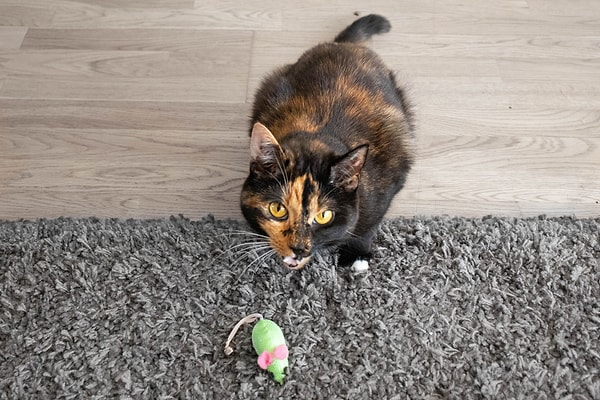
If your cat brings home insects, birds, mice, or toys, it's not out of malice. Mother cats, when teaching their kittens how to hunt, first bring dead prey, then live ones. Domestic cats may view humans as part of their social group in the same way.
This behavior is particularly common in cats with a strong hunting instinct. Rather than punishing them, it's more appropriate to stay calm.
Sleeping on your chest is a way for them to relax with your heartbeat
If your cat enjoys sleeping on your chest or close to your face, it might not be solely for warmth. The rhythm of your heartbeat and breathing can be soothing for cats. It may evoke feelings of security from their kittenhood.
Being at a high point also provides cats with a sense of safety. Sleeping on the chest combines warmth, bonding, and a feeling of security all in one.
Nighttime runs serve as an outlet for pent-up energy.
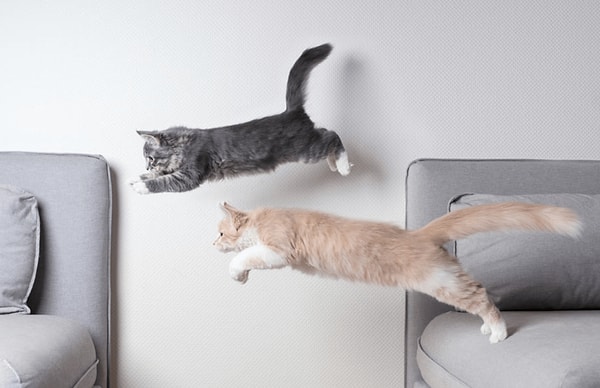
It's quite common for cats to suddenly start running around the house at midnight. This behavior is typically known as 'zoomies.' By nature, cats are more active during twilight hours.
Cats that don't get enough playtime during the day may expend their energy at night. Short play sessions in the evening can help reduce this behavior.
Looking out the window is like television for cats
If your cat spends hours looking out the window, it's actually being mentally stimulated. Birds, insects, leaves, and movements outside trigger cats' hunting instincts.
Watching from the window provides a way for domestic cats to safely experience their natural behaviors. The sound of teeth chattering while watching birds can also be associated with excitement and a sense of being unable to reach.
Lying on its back doesn't necessarily imply complete vulnerability.
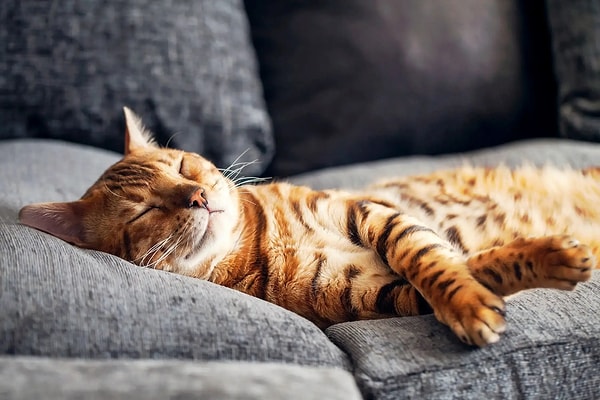
If your cat is lying down with its belly exposed, it may be feeling comfortable in its environment. However, this doesn't always equate to an invitation for a belly rub. Cats have a sensitive abdominal area and many do not appreciate being touched there.
This position can be a sign of trust, but their boundaries should be respected. If a cat exposes its belly and then scratches, it is often not a contradiction, but rather a misunderstood message.
Knocking over objects can be a sign of curiosity or a need for attention
Often, when cats knock items off tables with their paws, it's due to curiosity. Moving objects trigger their hunting instincts. Some cats, however, learn to attract attention with this behavior.
A cat that notices a human's immediate reaction when an item falls might repeat the same behavior. Therefore, increasing playtime can be beneficial for cats seeking attention.
Digging a sand pit is an instinctual behavior of concealment.
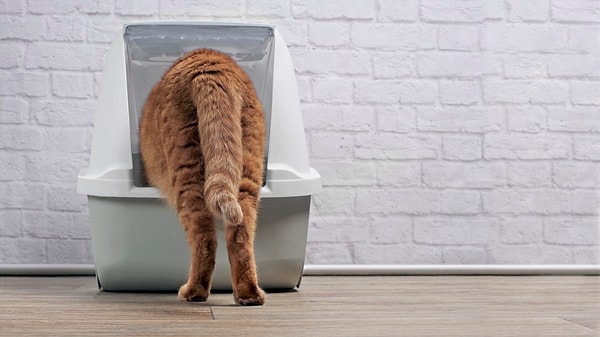
The behavior of cats digging extensively in their litter box after using the toilet is a trait inherited from nature. Wild cats hide their scents to protect themselves from predators, and this instinct persists in domestic cats as well.
Excessive digging, on the other hand, could be associated with dissatisfaction with the litter box, its cleanliness, or even stress. Ensuring the cleanliness of the litter box and its placement in a suitable location is crucial for the comfort of the cat.
Keşfet ile ziyaret ettiğin tüm kategorileri tek akışta gör!
 Test
Test
 Gündem
 Magazin
 Video
Video



Send Comment