


Scientists Convert Crushed Rocks into Eco-Friendly Fertilizer for Farming


A groundbreaking solution has emerged from scientists in response to the food security crisis affecting hundreds of millions of people worldwide and the exorbitant fertilizer prices. Researchers at Mohammed VI Polytechnic University in Morocco and the Canadian Light Source (CLS) have managed to transform local rocks into an efficient potassium fertilizer through high heat and chemical processes.

Potassium fertilizer, which is vital for plant growth, root structure, and drought resistance, is primarily produced in limited regions around the world, notably in Canada, Russia, and Germany.
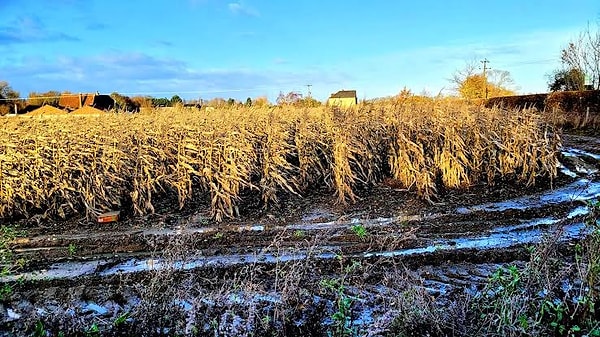
Due to the high transportation costs, global crises, and steep prices, researchers have turned to nature for this vital nutrient that farmers in Africa struggle to access.
A Moroccan research team began investigating a type of magmatic rock called syenite, which is abundantly found in Africa. However, its direct usage is hindered due to its crystalline structure that locks in potassium. In the newly developed method, these rocks are first finely ground, then mixed with water and organic acid/alkali substances, and heated at temperatures just below 200 °C. This process breaks down the rock's rigid mineral structure, transforming the trapped potassium into a soluble form that plants can absorb.
In laboratory tests conducted on corn and soybeans, it was proven that these processed rocks provided the same efficiency as traditional imported fertilizers.
Traditional potassium fertilizers were causing both environmental and economic issues. Due to their rapid dissolution in water, they were being washed away by the rain, leading to the pollution of groundwater. Moreover, this process was resulting in a waste of the farmer's money.
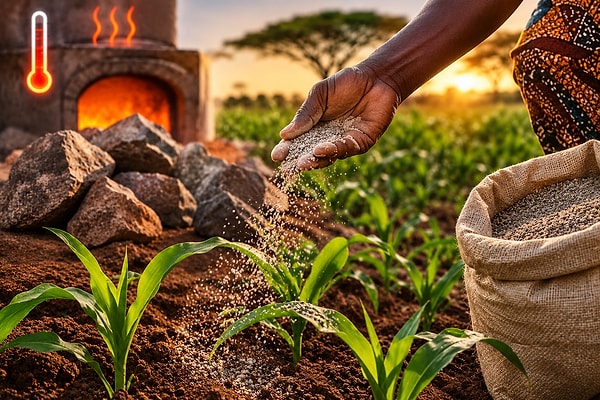
This novel indigenous fertilizer, derived from rocks, gradually releases potassium once scattered on the soil. Moreover, it provides long-term support for soil health with additional minerals such as calcium, magnesium, and silicon.
Following field trials, the mass production of this technology is planned. It will not only reduce the risk of famine in Africa, but it will also drastically cut carbon dioxide emissions and fertilizer costs in global agriculture.
Keşfet ile ziyaret ettiğin tüm kategorileri tek akışta gör!
 Test
Test
 Gündem
 Magazin
 Video
Video



Send Comment