


Science of Freshness: Squeeze Lemon on Apples and You Will Not Believe the Result


You've undoubtedly noticed that if you leave a freshly cut apple for a few minutes, its white flesh turns a brownish hue. This seemingly ordinary occurrence we encounter in our everyday lives is, in fact, the result of a complex biochemical reaction.

The Scientific Reason Behind the Browning of an Apple
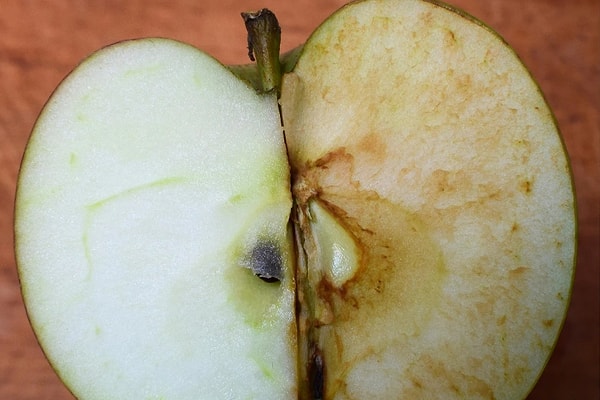
The browning of an apple is a natural process known as 'enzymatic browning.' When the apple tissue is damaged, the cell walls break down, causing substances that are typically separated to mix together. In this scenario, the enzyme polyphenol oxidase (PPO) comes into contact with the phenolic compounds in the apple.
According to food science research at Cornell University, when this enzyme combines with oxygen in the air, it creates brown pigments similar to melanin. This reaction becomes visible within just a few minutes and continues to darken over time.
The rate at which an apple browns is influenced by factors such as its level of ripeness, storage conditions, and even the season.
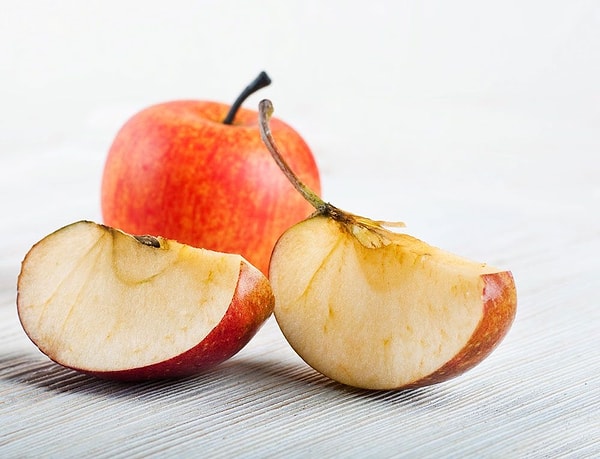
Temperature is also a crucial factor. In cold conditions, enzyme activity decelerates, while at room temperature, the reaction occurs swiftly. Consequently, the sliced apples in your fridge tend to brown at a slower pace.
How Can We Prevent Apples from Browning?
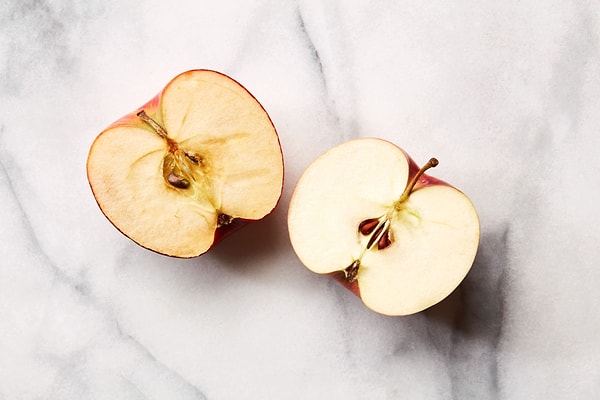
The most common method employed is the use of lemon juice. Thanks to the antioxidant properties of ascorbic acid (Vitamin C) found in lemons, it prevents oxidation and slows down the activity of the PPO enzyme. The same effect can also be achieved with orange juice, vinegar, and salt water.
On the other hand, the professional food industry utilizes different techniques. Vacuum packaging cuts off contact with oxygen, while specialized preservative solutions halt enzymatic reactions.
The Solution of the Future: A Genetic Approach
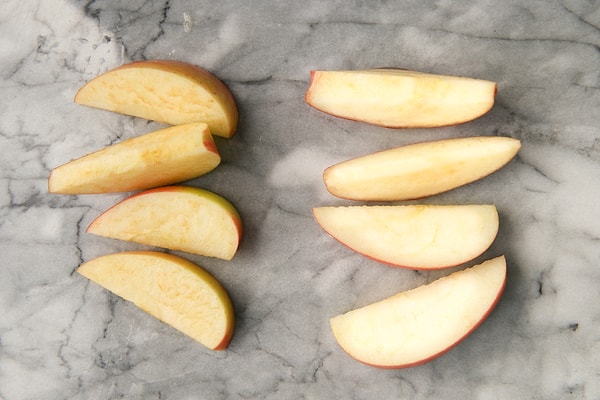
Modern agricultural technology is delving into genetic solutions to tackle this problem. The genetically modified apple variety known as the Arctic Apple largely solves the browning issue by suppressing the production of the PPO enzyme. Remarkably, these types of apples can maintain their fresh white color for days after being cut.
Keşfet ile ziyaret ettiğin tüm kategorileri tek akışta gör!
 Test
Test
 Gündem
 Magazin
 Video
Video



Send Comment