


Insects On The Menu Around The World: Which Culture Eats What, And How?


As the climate crisis and population growth eat into the planet's resources, our eating habits are coming under the spotlight too. The United Nations says insects will become an important source of protein in the years ahead. In the tropical regions of Africa, South Asia and South America, though, eating insects has been an ordinary part of the meal for centuries.
From grasshoppers to ants, from water bug eggs to beetles, let's look at which insects are eaten where, and how.


Grasshoppers are among the most widely eaten insects in the world.
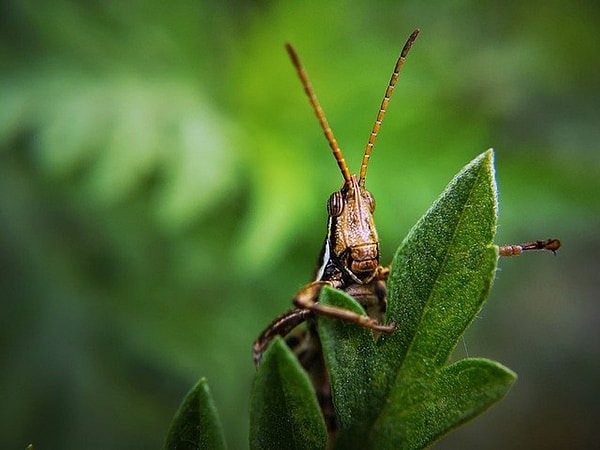
They're easy to catch and high in protein. Because their taste is fairly neutral, they can be fried and seasoned, ground into flour or mixed into other dishes. Since they damage fields, eating them also helps keep local populations in check. Cicadas and crickets are served as snacks in many countries in much the same way.
Red ants pack a surprising nutritional profile.
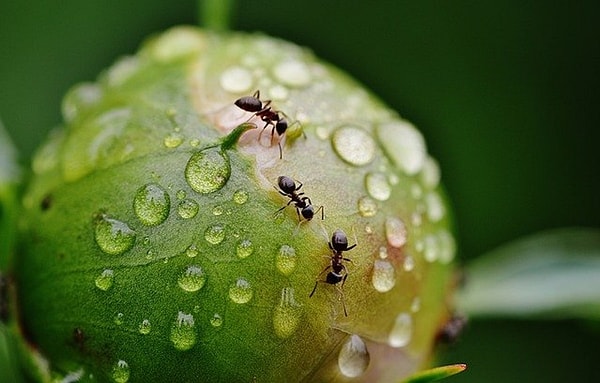
A 100-gram serving of red ants contains about 14 grams of protein, which is more than eggs. They are also rich in calcium and iron, yet 100 grams comes to only around 100 calories. That is why they draw interest both in local kitchens and in modern gastronomy.
Beetles
Longhorn beetles, June beetles, dung beetles and rhinoceros beetles are among the most commonly eaten beetles. They are often eaten in the Amazon basin and the forested regions of Africa. Native Americans are said to have roasted these beetles over charcoal and eaten them like popcorn. Beetles are rich in protein and turn cellulose, which humans can't digest, into something digestible.
Butterflies and moths are eaten at the larva and pupa stage.
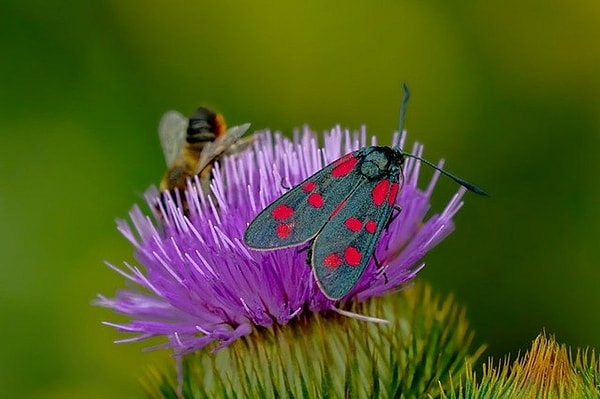
These insects, so pretty with their decorative wings, are eaten in their larva and pupa stages as a source of protein and iron, and they are very popular in African countries. In Central and South America, the fatty, fleshy agave worms that later turn into butterflies are known as part of the alcoholic drink mezcal.
Bees
We mostly know the bee for its honey, but it offers more than that. In Asia, Africa, Australia and South America, bees are eaten as meat before they mature, at the larva and pupa stage, and their nutritional value has earned them a place in local cuisines.
In Mexico, water bug eggs are dried and eaten like caviar.
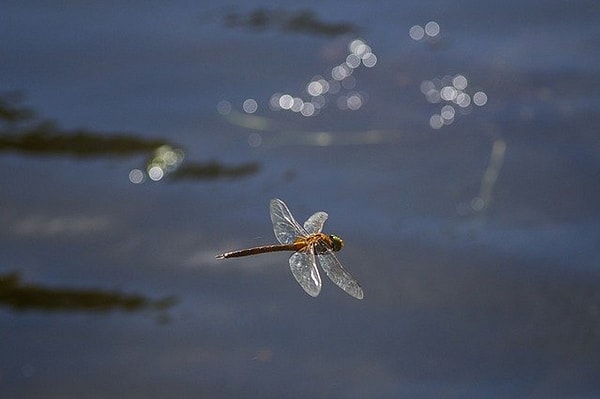
Water bugs can live in both fresh and salt water and are easy to farm and collect. They lay their eggs on aquatic plants, and in Mexico these eggs are dried and eaten like caviar. Their taste is said to resemble shrimp.
Flies
Flies aren't eaten as widely as other insects, but they do reach the table in some regions. Flies that develop inside certain types of cheese are especially prized because they add to the flavour. Flies caught near the water are said to taste like duck or fish.
Sunn pests
For those who can get past the sharp smell that hits first, the sunn pest, a type of shield bug, is described as an ingredient that gives sauces an apple-like aroma.
Keşfet ile ziyaret ettiğin tüm kategorileri tek akışta gör!
 Test
 Gündem
 Magazin
 Video



Send Comment