


10 Ways To Fry Fish Without Making Your Whole Home Smell


Few things beat a pan of crispy fried anchovies or any small fish. But there is always the day after: that fishy smell clinging to the curtains, the sofa, even the coat hanging by the door. 😅 The good news is that a few simple steps can cut the smell down considerably. Let's take a look! 👇


Start by choosing fresh fish, then use lemon or milk before cooking.
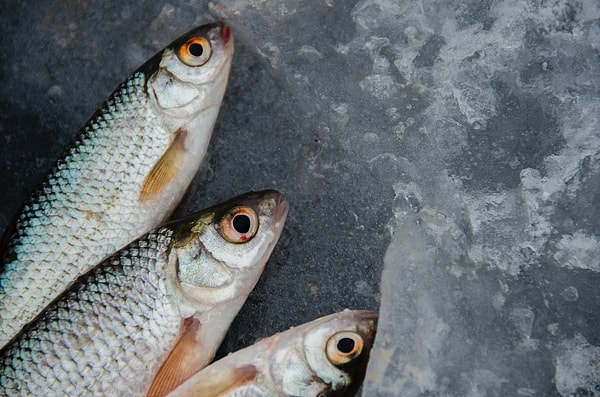
1. Pick the freshest fish
The main culprit behind fish smell is a compound called trimethylamine. Live fish contain an odorless form of it; after the fish is caught, bacteria and enzymes turn it into smelly trimethylamine. In short, the fresher the fish, the less it smells. Look for bright, plump eyes, red gills and flesh that springs back when you press it.
2. Lemon or milk before cooking
Trimethylamine is a basic compound, and when it meets acids like lemon juice or vinegar it turns into an odorless salt. That is why squeezing a little lemon over cleaned fish takes the edge off the smell. Cook's Illustrated suggests soaking fish in milk for 20 minutes and then draining it, because the casein protein in milk binds the smelly compound. Plant-based milks don't contain casein, so don't expect the same effect. And don't forget to pat small fish like anchovies completely dry before dredging them in flour.
Close the doors and open the window before you start.

3. Shut the doors, crack the window
Before you start frying, close the kitchen door and the doors to other rooms. Opening the kitchen window a little also helps the smell escape outside instead of spreading through the house. If the bedroom door is left open, the smell can work its way into your bedding and the clothes in your wardrobe.
Turn the range hood on before you light the stove.
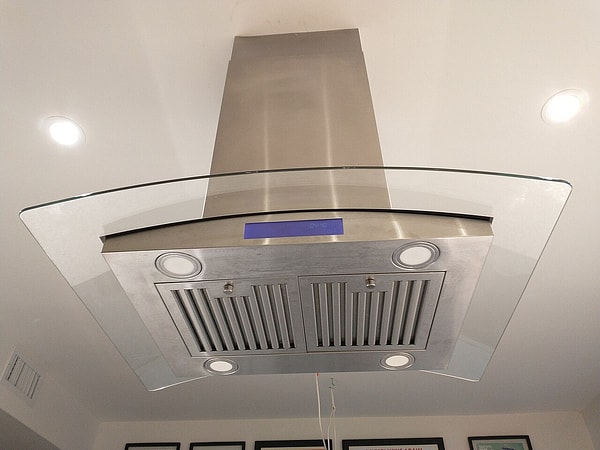
4. Hood first, then the heat
Switch the range hood on before the pan heats up and keep it on medium or high throughout frying. Once you are done, leave it running for another 10–20 minutes. Models that vent outside remove smells better than ones that filter the air and send it back into the room. A greasy filter can't do its job, so clean it regularly. Photo: Stilfehler / Wikimedia Commons (CC BY-SA 4.0)
5. Don't let the oil smoke
Once oil goes past its smoke point, it turns bitter and fills the kitchen with a much heavier smell. In one study on Black Sea anchovies, the fish were fried at 164–180°C, and that range is enough at home too. No thermometer? Drop a pinch of flour into the oil; if it sizzles right away, the oil is ready. Choose oils with a high smoke point, such as sunflower oil, and don't reuse the same oil over and over.
6. Use the oven or air fryer
A closed chamber lets out far less smell than an open pan. Lay the fish on a tray lined with baking paper, cover it with another sheet of baking paper and bake it, or cook it in an air fryer. You use less oil, and there is less spattered grease to wipe off the stove.
Clean up right away, and finish with a pot of cinnamon and cloves.

7. Toss a few bay leaves into the pan
This is a popular home trick: adding a few bay leaves to the pan while the oil heats. There is no scientific proof that it gets rid of the smell completely, but it adds a pleasant aroma and masks the fishy smell a little. Take the leaves out before they start to burn; burnt leaves give off a smell of their own.
8. Clean the pan, stove and counter without waiting
The smell doesn't just hang in the air; it also settles into the grease droplets that build up on the stove, counter and tiles. Clean the pan and the area around it as soon as you finish frying. Once the frying oil has cooled, pour it into a bottle and take it to a waste-oil collection point; pouring it down the sink will clog the pipes. Put fish scraps in a tied bag and take them out right away.
9. Vinegar water still works
Since the compound behind fish smell is neutralized by acid, wiping the counter, cutting board and stovetop with vinegar water reduces the smell. Simmering a few spoonfuls of vinegar in water in a small pot while you fry is another well-known home method. Its effect on the smell in the air is limited, but it costs nothing to try. 😉
10. Final touch: simmer cinnamon and cloves
When you're done with the fish, add a few cinnamon sticks, a few cloves and some lemon peel to a pot of water and let it simmer on low heat. It won't eliminate the fish smell, but it covers it nicely and fills the house with a cozy winter-evening scent. Don't forget the pot on the stove, and top up the water as it reduces.
Keşfet ile ziyaret ettiğin tüm kategorileri tek akışta gör!
 Test
 Gündem
 Magazin
 Video



Send Comment