


How Much Water Should You Drink Daily? Recommended Amounts for Every Age


The daily water requirement is not the same for everyone; it varies according to age, gender, weight, height, physical activity, and the temperature of the weather. The European Food Safety Authority (EFSA) has determined the recommended daily total amounts of water for every age group, from infancy to adulthood.
So, how much water should be consumed at what age?

According to the European Food Safety Authority, the daily total water requirement varies depending on age and gender.
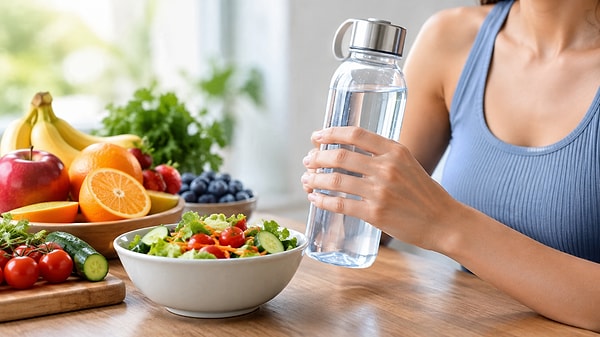
The recommended daily total water amounts are as follows:
For Infants 06 Months: 100-190 ml per kilogram of body weight from breast milk
For Infants 612 Months: 0.81 liters
For 12 Years: 1.1-1.2 liters
For 23 Years: 1.3 liters
For 48 Years: 1.6 liters
For Girls 913 Years: 1.9 liters
For Boys 913 Years: 2.1 liters
For Women Over 14 Years: 2 liters
For Men Over 14 Years: 2.5 liters
These amounts represent the total water need, including not only the water you drink, but also the water you get from food.
Approximately 20-30% of our daily water requirement is met through the food we consume.
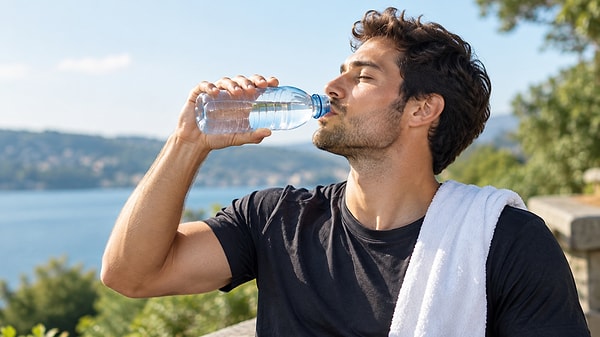
While the recommended amounts may seem excessive at first glance, not all of it needs to be met solely through drinking water. As a general rule, 20-30% of the water requirement comes from food. A balanced diet rich in fruits and vegetables can also contribute to adequate fluid intake.
Fruit juices and smoothies, on the other hand, tend to be high in sugar. Therefore, it is advised to limit their consumption to no more than a small glass (150 ml) per day, preferably with meals.
The body's water content also decreases with age:
Newborns: 75% of the body is water.
Adults: On average, 60%.
Elderly: 55%.
As we age, our bodies can become less sensitive to thirst signals.
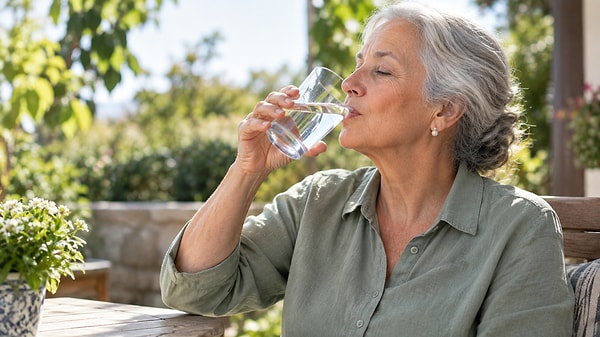
Thirst is one of the early indicators that your body needs hydration. However, as we age, our bodies can become less responsive to these signals.
Certain situations can also lead to increased fluid loss in the body:
Sweating: Exerting effort in hot and humid weather or when having a fever can increase perspiration.
Diarrhea and Vomiting: In these instances, your body can lose more fluid than it takes in.
Increased Urination: Diabetes, alcohol, or diuretic drugs, also known as water pills, can increase urination.
One way to determine if you're adequately hydrated is by the color of your urine. Clear and light-colored urine indicates that your body is sufficiently hydrated. Carrying a water bottle with you throughout the day and taking regular sips can also be beneficial.
Keşfet ile ziyaret ettiğin tüm kategorileri tek akışta gör!
 Test
Test
 Gündem
 Magazin
 Video
Video



Send Comment