


What Is A Lagoon? How These Calm Coastal Waters Form And The Two Main Types


The word lagoon comes from the Italian 'laguna,' used for a lake or pond. Lagoons are usually found along coastlines: a stretch of water separated from the open sea by a natural barrier, so it looks like a calm, enclosed area of its own. In Turkey, for example, lagoons can be seen in the Yeşilırmak, Kızılırmak and Büyük and Küçük Menderes deltas, at Ölüdeniz near Fethiye and at Lake Terkos.


A lagoon is a body of water cut off from the sea by a natural barrier.
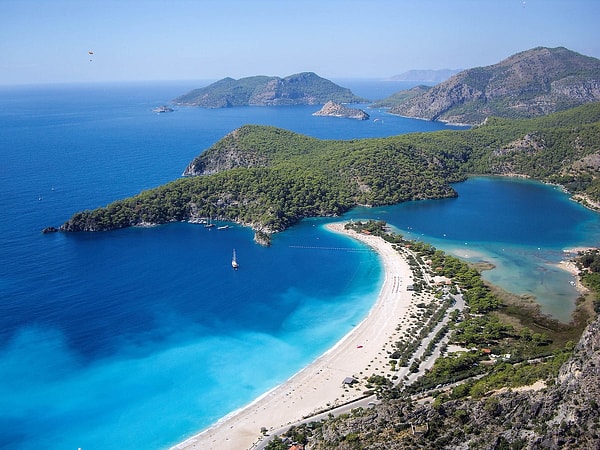
Also known as a coastal or barrier lake, a lagoon is a landform created by deposits at the edge of large bodies of water. Waves play a role in its formation, and so do coastal currents.
The barrier that separates a lagoon from the larger body of water can be a coral reef, a barrier reef, a sandbar or another natural barrier. The lagoon is the body of water left behind that barrier.
Rivers and waves both help build the barriers that create lagoons.
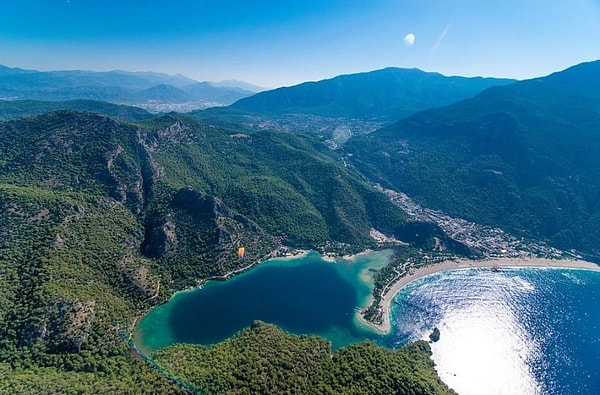
A lagoon can form when a river carries debris, sand and gravel to the coast and piles it up there. It can also form when waves drag sand, gravel and debris into a bay or along a shore until they build up into a barrier.
Lagoons are usually connected to the sea by a narrow opening, and these sheltered waters are often used as a resting spot for boats.
There are two main types of lagoon: atoll lagoons and coastal lagoons.
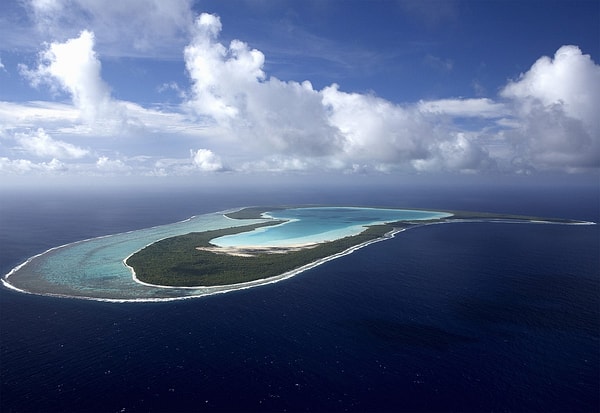
Atoll lagoon: Forms when a volcanic island slowly sinks beneath the sea over a long period, leaving a ring of coral reef around a central body of water. Small islets often sit partly or completely around the lagoon.
Coastal lagoon: Rising sea levels, the amount of available sediment and the tidal range are among the factors that create coastal lagoons.
Keşfet ile ziyaret ettiğin tüm kategorileri tek akışta gör!
 Test
 Gündem
 Magazin
 Video



Send Comment