


Giant Balloon To Be Installed Over the River, Continuously Inflating and Deflating


Plans are underway to construct an inflatable dam, approximately 42.5 meters in length, on the Luján River in the province of Buenos Aires, Argentina. This flexible structure, made of rubber, will inflate to raise the water level when the river's flow diminishes, and deflate to allow the water to flow freely during floods.
So, how does this giant 'balloon' function, and why is it necessary?

The project is a part of the operations being carried out to prevent flooding in the middle section of the Luján River.
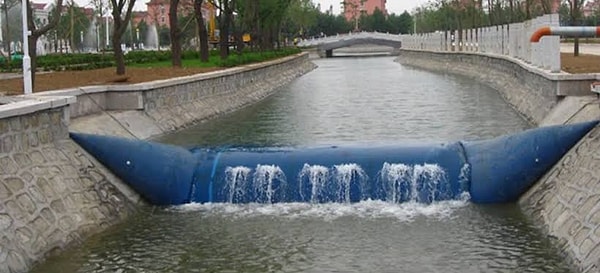
The inflatable dam is a water level regulation project proposed by the Hydraulic Provincial Directorate (DPH) of Buenos Aires province. This project is part of the 'Regulation of the Middle Section of the Luján River' initiative, which aims to expand the river, dredge it, and improve its flow to prevent historical floods that have occurred in the region.
The initiative impacts the municipalities of Campana, Escobar, Exaltación de la Cruz, Luján, Mercedes, and Pilar. Key details related to the dam are as follows:
Length: Approximately 42.5 meters
Operational Height: 2.25 meters
Funding: Latin American Development Bank (CAF)
The project is being developed by the Ministry of Infrastructure and Public Services of Buenos Aires province.
The flexible structure is inflated when the water level drops, and in the event of a flood, it is deflated and laid down in the river bed.
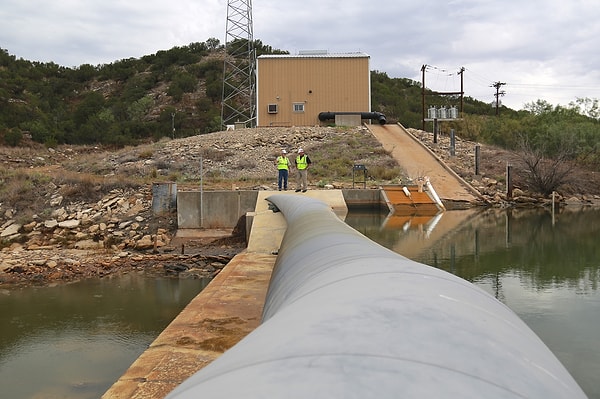
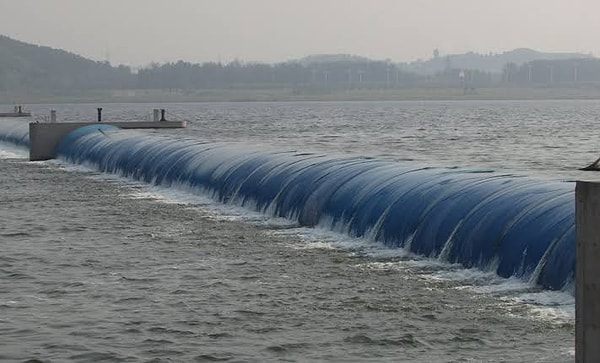
The dam is composed of a large, flexible rubber structure that can be inflated and deflated. The system operates by introducing air or water into the structure, and its height can be adjusted according to needs:
During Drought: When the river's water level decreases, the structure remains inflated. It retains a portion of the water, expanding the water surface behind the dam.
During Flood: In heavy rainfalls, the structure is deflated and lies almost on top of the river bed, allowing the water to flow freely.
Thanks to this feature, the dam is expected to prevent the blockage effect that a fixed cover could create during a flood.
Following the expansion of the river, the water level drops to approximately 50 centimeters during periods of drought.
Previous efforts have enhanced the river's capacity to discharge floodwaters. However, due to this new state of the riverbed, the river level drops to about 50 centimeters during periods of reduced water flow. This situation leads to excessive plant growth and restricts the use of the river for recreation and tourism in the urban area of Luján.
In Luján, there used to be a gate to retain water. This gate, located a few meters beyond the old Almirante Brown Bridge, was demolished in 2015. The new project aims to regain the water surface provided by the old gates without hindering the flow of water during floods.
The project received technical consultancy from the Beijing IWHR Corporation (BIC), a Chinese company specializing in water resources and hydraulic infrastructure. According to the information provided by the company, there are approximately 4,500 inflatable dams operating worldwide. The project is currently in the technical development stage.
Keşfet ile ziyaret ettiğin tüm kategorileri tek akışta gör!
 Test
Test
 Gündem
 Magazin
 Video
Video



Send Comment