


Dreaming with Open Eyes: The Science behind How Fish Sleep and Rest Underwater


When you observe your aquarium, you've probably noticed that the fish are constantly on the move with their eyes wide open. So, do fish ever actually sleep, or do they rest in a way that we're not aware of?

The Eyelid Issue in Fish
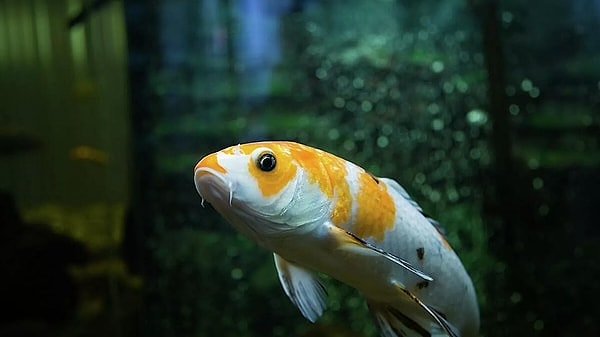
The fundamental reason why fish cannot close their eyes is that most species of fish do not possess eyelids. Eyelids are an adaptation that terrestrial vertebrates have developed over the course of evolution, primarily used to keep the eyes moist and protected. Given that the eyes of aquatic fish are already in a constantly moist environment, there has been no need for such a protective mechanism.
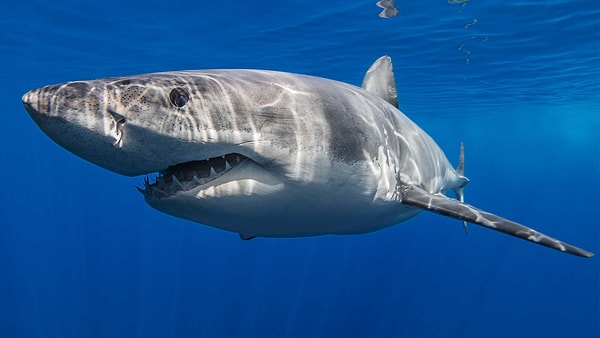
Sharks are the exception to this rule.
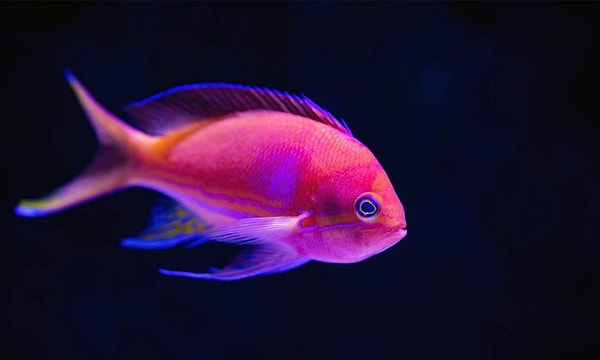
Certain species of sharks can protect their eyes with a transparent layer called a 'nictitating membrane,' but this structure is distinct from a true eyelid.
How Do Fish Sleep?
Neuroscientists from UC Berkeley have discovered that fish possess a unique form of sleep known as a 'rest state.' This state exhibits characteristics that are quite different from mammalian sleep.
Even though their brains rest while they sleep, fish appear to remain fully alert. According to research, the fish brain slows down its metabolic activity during sleep, conserving energy. However, they can still remain partially awake to potential environmental threats.
Characteristics of Fish Sleep
Scientists have observed that fish exhibit a few fundamental characteristics of a sleep-like state. Firstly, fish typically remain stationary or move very slowly in areas close to the seabed. During this period, their breathing rhythms slow down and their responses to external stimuli decrease.
Studies conducted on zebrafish have revealed that this species is less active at night, and their response time to stimuli increases. Researchers at Stanford University have discovered that fish, much like mammals, have regular sleep-wake cycles.
Particularly, tropical fish transition into this restful state at specific times in accordance with the day-night cycle. Some species hide among coral reefs, while others suspend themselves in water, expending minimal energy.
Keşfet ile ziyaret ettiğin tüm kategorileri tek akışta gör!
 Test
Test
 Gündem
 Magazin
 Video
Video



Send Comment