


Brewing the Future: Scientists Turn Coffee Grounds into Revolutionary Building Insulation


News out of South Korea suggests that the coffee grounds you toss away after your morning cup of joe could be used to construct the buildings of the future. A team from Jeonbuk National University (JBNU) has managed to transform waste coffee grounds into an eco-friendly building material that could rival the world's most effective insulation materials.

The approximately 2.25 billion cups of coffee consumed worldwide every day also bring along a colossal pile of waste.
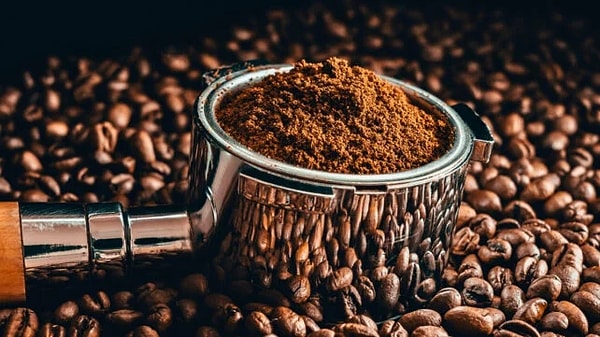
South Korean scientists, who have examined the waste that ends up in landfills or gets incinerated, have developed a composite material that is as strong as commercial insulation products made from coffee grounds, but much more environmentally friendly.
Under the leadership of JBNU Material Engineer Seong Yun Kim, the team first dried raw coffee grounds in ovens and then baked them at high temperatures to produce a carbon-rich substance called 'biochar'. This substance was mixed with water, ethanol, and a natural polymer called ethyl cellulose to create a highly porous structure.
Why Porous?
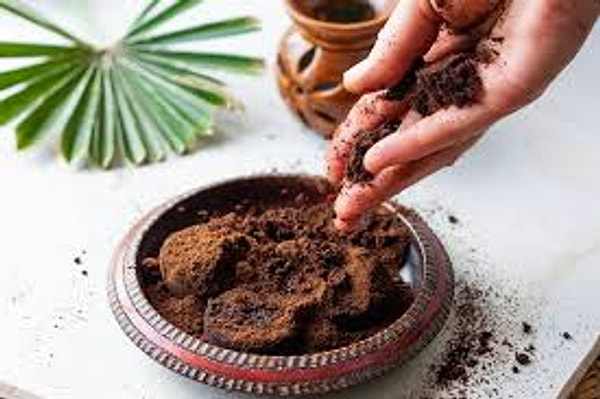
The tiny pores within the material trap air, which serves as an excellent insulator against heat. Researchers have successfully managed to reduce heat conductivity by employing unique 'pore repair' strategies to prevent these pores from getting clogged during production.
In the conducted tests, the thermal conductivity of this coffee-based material was measured at 0.04 W/mK. This figure signifies that it performs on par with expanded polystyrene (commonly known as styrofoam), one of the best insulation materials on the market, which is derived from fossil fuels.
The 3 Major Benefits of Coffee Grounds
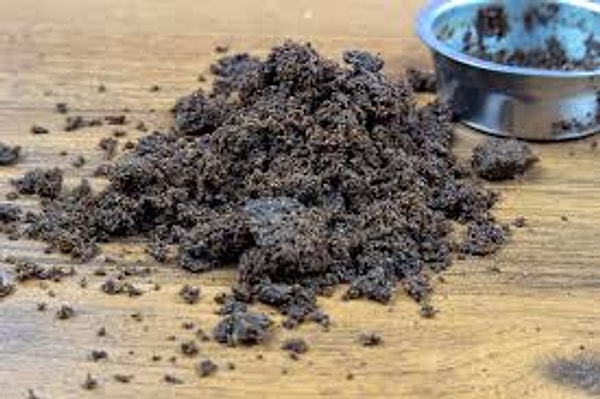
It's being produced entirely from renewable resources, instead of fossil fuels.
While synthetic insulation materials linger in nature for centuries, the coffee-based material began to dissolve, losing more than 10% of its weight in just three weeks during tests.
Particularly, it keeps interiors cool by blocking the excess heat emitted by solar panels on roofs.
The lead author of the research, Seong Yun Kim, encapsulates the significance of the project with these words:
'Our study demonstrates that the massive flow of waste can be transformed into a high-value material. This approach not only enhances material performance, but also contributes to the circular economy by converting waste into a functional product.'
Keşfet ile ziyaret ettiğin tüm kategorileri tek akışta gör!
 Test
Test
 Gündem
 Magazin
 Video
Video



Send Comment