


Called the "Eclipse of the Century": Why is the 2027 Total Solar Eclipse So Important?


While the world is still discussing the eclipse of 2026, the eyes of the scientific community and global media are on the real big show: The Total Solar Eclipse on August 2, 2027. Unlike standard eclipses, such a large and long-lasting darkness will occur that it is referred to as the 'Eclipse of the Century' by many international astronomy broadcasts.
So, why is this natural event, for which millions of people from all over the world have already bought tickets and booked hotels, causing the tourism industry to lock down, so unique? Here's what you need to know about the 2027 Solar Eclipse.
Source1, Source2

Why is it Called the "Event of the Century"?
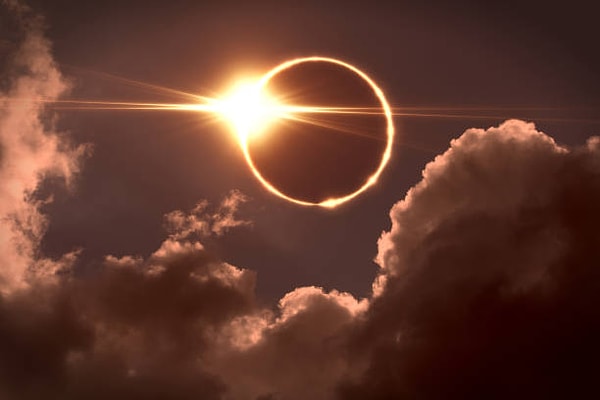
The fundamental thing that sets this eclipse apart from all other celestial events and makes it the 'Event of the Century': Its duration.
The unforgettable total eclipse in 1999, which was also observed from Turkey, lasted only about 2 minutes. However, on August 2, 2027, the Moon will completely cover the Sun for a full 6 minutes and 23 seconds.
This incredible duration, as stated in a Space.com article dated June 16, 2024, will break the record for being the 'longest total solar eclipse to be observed from land since 1991.' In fact, humanity will have to wait until 2114 (87 years) to see an eclipse of this duration again.
What Does the Foreign Press and Scientific World Say?
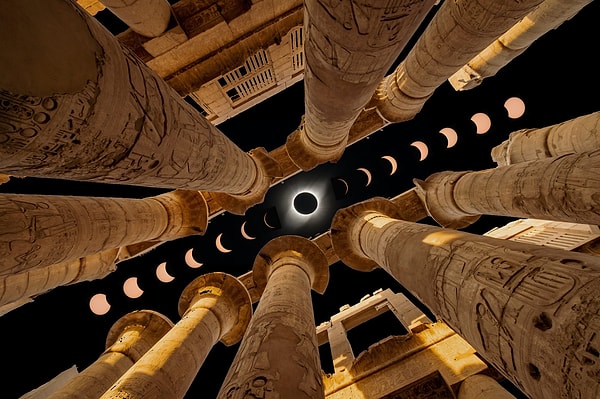
The world's most prestigious astronomy and space platforms are marketing this event not just as an 'observation', but as a once-in-a-lifetime experience.
- Space.com's 'Perfect Sky' Highlight:
Space.com, one of the world's most respected publications in the field of space and astronomy, draws attention to a massive detail by announcing the 2027 eclipse with its 'Eclipse of the century' guide: The extraordinarily low cloudiness rate on the eclipse line. The deserts of Egypt and North Africa, where the eclipse line will pass, have a cloudiness rate close to 0% in August according to satellite data. So, the chance of viewers missing the eclipse is almost none.
- Egypt and Luxor Became the Epicenter:
Ancient Egyptian temples have already been declared the 'Epicenter'. British and American-based travel agencies have put Luxor and Karnak Temple tours on sale months in advance. The fact that pitch darkness will descend on the Pyramids and ancient temples for 6 minutes was enough to drive both National Geographic photographers and tourists crazy.
- Spain and Tunisia on the 'Total Eclipse' Line:
The historic eclipse will plunge Southern Spain (Andalusia), Morocco, Algeria, Tunisia, Libya, Egypt, Saudi Arabia, and Yemen into darkness one after the other. The Guardian and travel blogs are marking Southern Spain for those who want to watch from Europe, and the coasts of Tunisia in Africa, as prime locations.
Will the 2027 Eclipse Be Visible from Turkey?
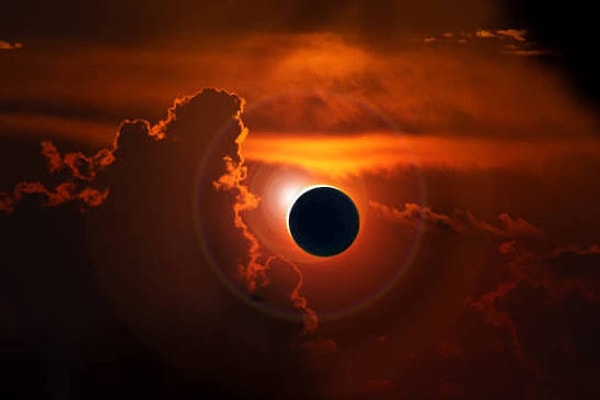
While Europe and North Africa are experiencing a tourism festival for the 'Event of the Century', Turkey's location is also quite advantageous. Since the total eclipse line will pass just south of the Mediterranean, Turkey will observe this unique natural event as a partial eclipse at a very high rate.
Especially on our southern coasts like Antalya, Hatay, and Muğla, a massive part of the Sun will be swallowed by the Moon during midday hours (approximately between 12.00 and 14.00). The weather will noticeably cool down and that unique twilight atmosphere will cover our entire southern strip.
Keşfet ile ziyaret ettiğin tüm kategorileri tek akışta gör!
 Test
Test
 Gündem
 Magazin
 Video
Video





Send Comment