


A New Pandemic Is Inevitable: Dr. Mehmet Ceyhan Issues Urgent Warning on Global Virus Risks


In the wake of Hantavirus cases, the world is on edge. As the possibility of a new pandemic is being discussed, Prof. Dr. Mehmet Ceyhan, the President of the Infectious Diseases Association, made some remarks. Prof. Dr. Ceyhan issued striking warnings about the virus's transmission capacity and the risk situation in Turkey, underscoring that a new pandemic is inevitably on the horizon: 'Every 10 years, sometimes with a gap of 20, we can expect a pandemic on average.'

Mehmet Ceyhan made statements regarding the hantavirus.
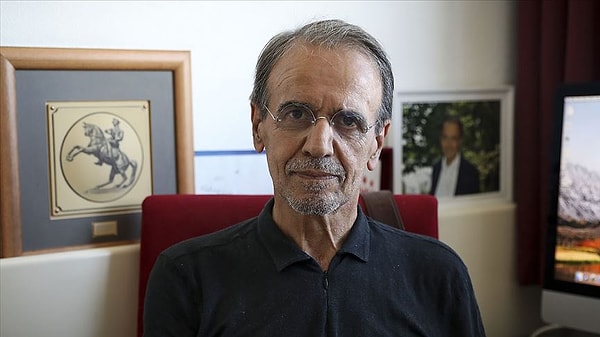
Professor Dr. Mehmet Ceyhan, who elucidates the nature of the Hantavirus, pointed out that the virus belongs to the same family as the Crimean-Congo Hemorrhagic Fever (CCHF), which is well-known in Turkey. Ceyhan stated that the strains found in Europe and Asia have a mortality rate between 5% and 15%, while the situation is significantly more severe in the Americas.
Under normal circumstances, the virus is transmitted through rodent waste, but Ceyhan emphasized that the 'AND' variant has disrupted this pattern. He elaborated:
'There are more than 20 types of this virus. The strain found there is completely different from the one here in Europe and Asia. Therefore, it causes a different disease over there. It affects the respiratory system. It kills by causing circulatory and heart failure there. The death rate is much higher, around 40%. Generally, all hantaviruses are transmitted through rodent waste. There are cases where it's transmitted through bites, but they are rare. It's usually transmitted through waste. So far, only one type, which is named after the Ant mountains in South Africa, has been shown to transmit from person to person. This was proven 30 years ago, in 1996. It has been monitored since then. The other types do not show transmission from person to person. This type does.'
"Home quarantine is a precarious situation."
Addressing the 42-day quarantine process implemented for citizens returning to Turkey, Ceyhan criticized the Ministry of Health's 'home quarantine' strategy. The expert, who drew attention to the long incubation period of the virus and its insidious progression, stated, 'The only known fact now is that these individuals, including Turkish citizens arriving in Turkey, should be quarantined from the moment they enter. However, I do not share the same view with the Ministry of Health. The Ministry of Health decided to implement home quarantine for these individuals. Yet, this is a highly risky situation. It would have been necessary to have the quarantine in a hospital or at a quarantine center. The whole point here is not to reveal the first case.'
"The pandemic is inevitably on its way."
Addressing future pandemic risks, Prof. Dr. Mehmet Ceyhan argued that pandemics have now become as periodic as natural events. Reminding us that a major outbreak is expected on average every 10 years, Ceyhan asserted, 'A new pandemic will inevitably arrive,' and continued his remarks as follows:
'There will certainly be a pandemic in the future. Just like earthquakes, it's not a matter of if a pandemic will happen, but when. So far, it's been roughly every 10 years, sometimes 20, that a pandemic will arrive. A pandemic is a terrifying thing. We've witnessed it, we've lived it. 7 million people have died worldwide. It will come not with Hantavirus, but with flu variants.'
Symptoms of Hantavirus
Experts, who point out that Hantavirus is not seasonal in winter but more commonly seen in the summer months, emphasize that severe fever, muscle pains, kidney failure, and subcutaneous bleeding are the most fundamental symptoms. In this viral disease, where early diagnosis is of vital importance, it is stressed that intensive care support is essential if kidney functions deteriorate.
Keşfet ile ziyaret ettiğin tüm kategorileri tek akışta gör!
 Test
Test
 Gündem
 Magazin
 Video
Video



Send Comment