


A Growing Number of Teenage Boys Prefer AI Girlfriends to Real Relationships


As AI chatbots become increasingly integrated into young people’s daily lives, some teenage boys are reportedly turning to these systems for emotional connection instead of real relationships. A new study in the United Kingdom suggests that fear of rejection and difficulties in forming social bonds are driving this shift toward AI partners. Experts warn that this trend could have long-term implications for social development and emotional well-being.

With the pervasive infiltration of artificial intelligence-backed chatbots into all aspects of life, a new trend has emerged that is causing unease among experts.
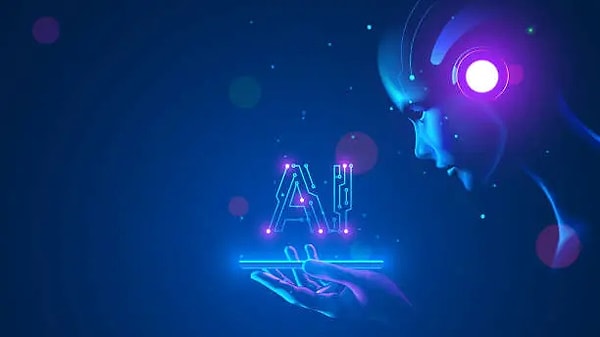
According to a study conducted in the United Kingdom, some adolescent boys are opting for relationships with artificial intelligence chatbots over real-life romantic interactions.
The research, carried out by Male Allies UK, gathered the opinions of a thousand boys aged between 12 and 16. The findings revealed that 85% of the participants had previously engaged in conversation with a chatbot, while 20% reported having a peer who was 'in a relationship' with an AI chatbot. Moreover, more than a quarter of the participants expressed a preference for the attention and closeness received from an AI partner over a relationship with a real person.
A significant 58% of participants indicated that relationships established with artificial intelligence were easier to manage, primarily because they could maintain control over the conversation.
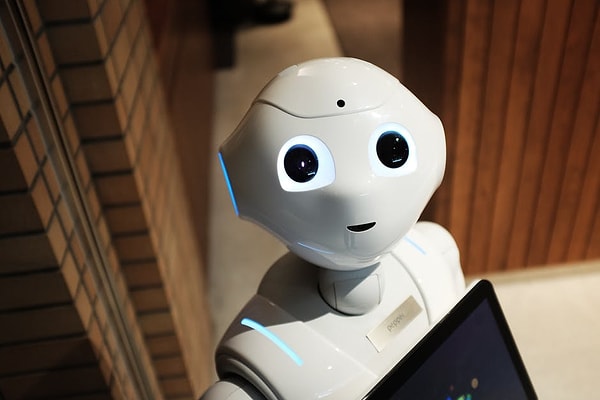
According to experts, artificial intelligence systems that consistently show interest, do not judge, and do not reject, are becoming an appealing alternative especially for young people in the process of identity development.
Nicholas Velotta, who works in the field of relationship research, suggests that artificial intelligence provides young men with uninterrupted attention, which can create a sense of sincerity. Velotta believes that modern young men are being encouraged to be dominant and strong on one hand, while receiving the message that they should stay in the background in gender discussions on the other. In this contradictory environment, artificial intelligence offers a safe space where they are accepted without the fear of being judged.
Another study, published in May 2025, revealed that young people were not merely using chatbots for entertainment purposes.

Accordingly, 52% of teenagers are turning to chatbots at least once a month to express their feelings, seek advice, discuss relationship issues, or enhance their social skills.
Experts acknowledge that artificial intelligence can serve as a supportive tool when used within appropriate boundaries. However, Velotta emphasizes that AI should not supplant real relationships. In his view, AI is not a human being; it's an advanced system designed to engage the user. If young people start to perceive this as a real relationship, it could deepen feelings of loneliness in the long run.
One striking finding from the study was that young men are increasingly avoiding romantic endeavors in real life. According to a survey conducted in 2024, approximately 20% of Americans reported flirting with a chatbot, while more than 45% of Generation Z males stated they had never asked anyone out in real life to date.
Experts highlight that the experiences of rejection, disappointment, and conflict that come with real relationships are critical components of personal development. They point out that skills like empathy, compromise, communication, and problem-solving can only develop within the context of genuine human relationships.
Keşfet ile ziyaret ettiğin tüm kategorileri tek akışta gör!
 Test
Test
 Gündem
 Magazin
 Video
Video



Send Comment