


18 Istanbul Apartment Buildings That Shaped History


From the Mısır Apartment to the Doğan Apartment... Do you ever wonder about the historical secrets hidden within the buildings you pass by every day? Istanbul, a city that has hosted numerous civilizations throughout history, is left with an array of captivating buildings as remnants of these past eras. These 'apartments', which vividly showcase the city's ancient history and enchant us with their stories, are still awaiting discovery.
Here are those 18 buildings that embody the soul of Istanbul...

Restored to Its Former Glory: The Botter Apartment
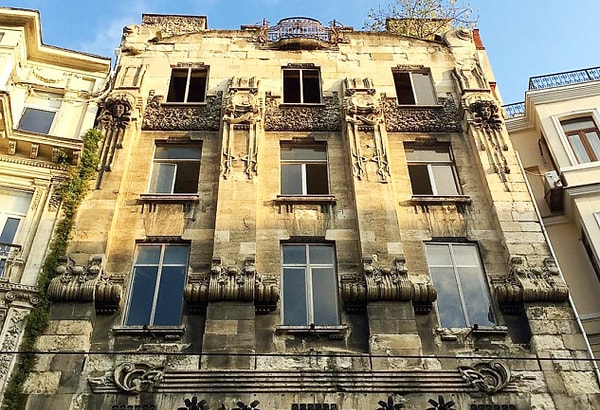
A Dutch tailor and fashion designer named Jean Botter migrates to Istanbul and takes on the role of tailor for Abdülhamit. This building, constructed by Raimondo D’Aronco, serves as a residence for Jean Botter. Not only does Botter live here, but he also operates his workshop from this location. The seven-story building holds tremendous significance as the first representative of the art nouveau movement in Istanbul. Each stone on the facade was meticulously hand-drawn by the building's designer, Aronco. These stones, adorned with geometric motifs, Medusa heads, and plant decorations, never fail to catch the eye of passersby.
Every Window Tells a Different Story: The Ragip Pasha Apartment Building
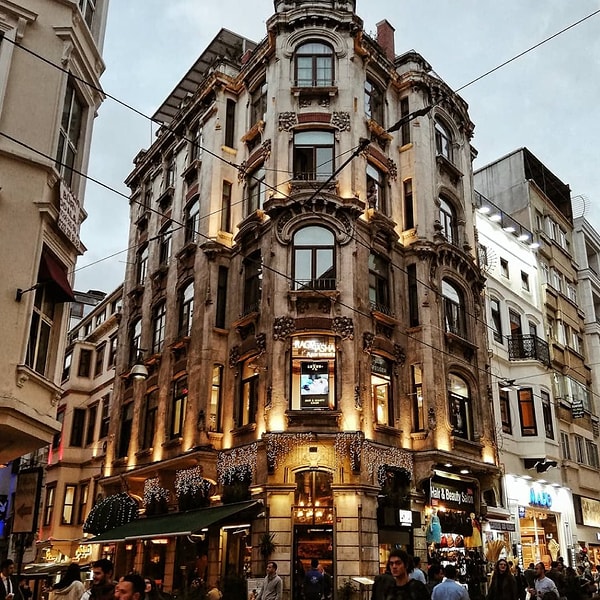
Sarıca Ragıp Pasha, who served as the chief secretary of the palace during the reign of Sultan Abdulhamit II, stands out as one of the wealthiest statesmen of his time. The historic five-story apartment building, constructed in 1900, occupies one of the corners of the street and is designed in the Art Nouveau style. The architect of the building, Aram Karakaş, had a unique idea to add dynamism to the Ragıp Pasha Apartment: Upon careful observation, it becomes evident that the windows on each floor of the building are distinct, each adorned with mesmerizing geometric decorations.
The building where Mehmet Akif Ersoy lived and passed away: The Egypt Apartment.
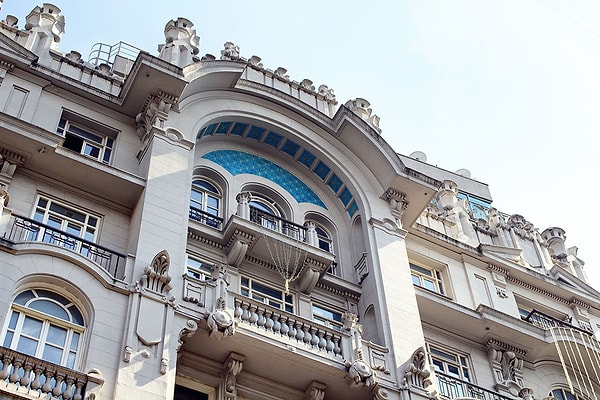
The Egyptian influences that you can encounter in various parts of Istanbul not only impact the famous apartment in Galatasaray in artistic and architectural terms, but also bestow upon it its name. The Egypt Apartment, designed by architect Hovsep Aznavuryan and built between 1905 and 1910, was commissioned by Abbas Halim Pasha, who was the nephew of Abbas Hilmi Pasha, the Khedive of Egypt during the Ottoman era, and the brother of Grand Vizier Sait Halim Pasha. Known as the location of the dental clinic of Sami Günzberg, who was the dentist of Sultan Abdulhamid II and Atatürk, and also as the place where Mehmet Akif Ersoy, a prominent Turkish poet, lived for a short time and passed away, this historic apartment building still stands today as one of the most magnificent structures in Beyoğlu.
Even its color is enough: The Doğan Apartment Building
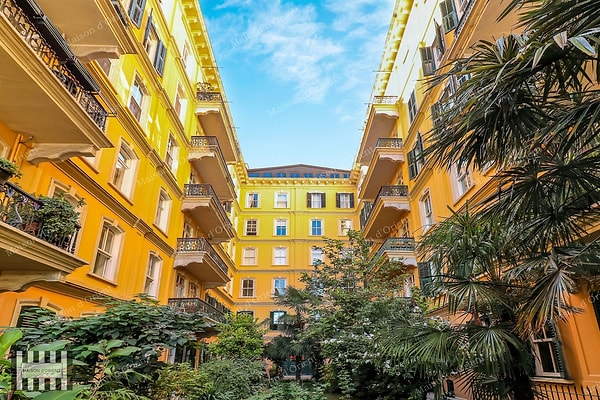
The Doğan Apartment, a grand and golden building located on Serdar-ı Ekrem Street, one of our favorite streets in Istanbul, is perhaps the most famous among the old Istanbul apartments. Constructed between the years 1892 and 1894 by Belgian trader and banker Albert Helbig, and designed by architect Raymondo d’Aranco, the building continues to be a residence for famous figures even today. With its 52 apartments, a courtyard of 330 square meters, and a rooftop that lays Istanbul at your feet, the Doğan Apartment is a truly impressive address. The building takes its name from the son of Kazım Taşkent, who owned the building from 1942 onwards, and tragically died in an avalanche at a young age.
The film "Pain of Autumn" features: The Bazlamacı Apartment Building.
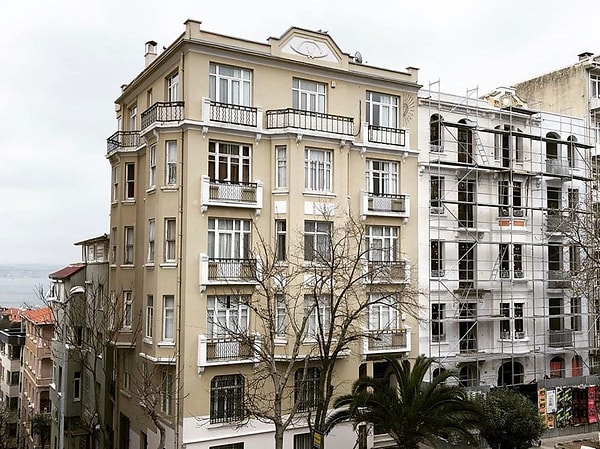
Constructed in 1932, this apartment building was heartbreakingly abandoned by its owners following the distressing events of September '67. This subject is explored in Tomris Giritlioğlu's film, 'Autumn Pain'. The main proprietor of the apartment is also the owner of Olimpos Soda. They migrated to Athens in the wake of the September '67 tragedy. Here, they cross paths with Gülsün Karamustafa, one of our contemporary artists living in the city. She acquaints herself with the Bazlamacı family, whose story prompts reflections on discrimination, neighborliness, and forced migration. Karamustafa creates a model of the Bazlamacı Apartment and gifts it to the Athens Museum, thereby sharing this poignant tale with the world.
Witness to Wars: The Sarica Apartment Building
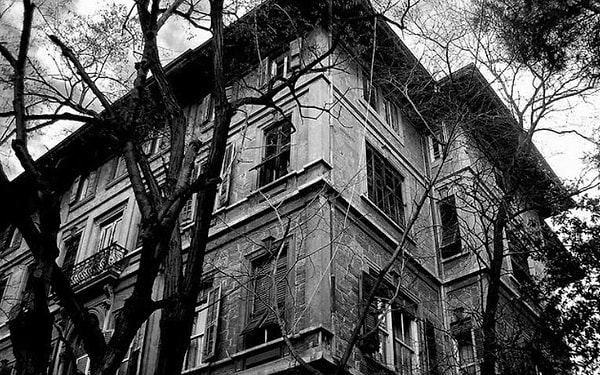
This building, one of the most significant structures in fashion, was commissioned by Sarıcazade Arif Pasha. Constructed in the neoclassical style by the architect Pappa in 1903, it was abandoned by the British during World War I. For two years following this, the building served as an Armenian primary school. However, with the liberation of Istanbul, the building was once again reclaimed by its original owners.
They're rich enough to lend to the state: Frej Apartments
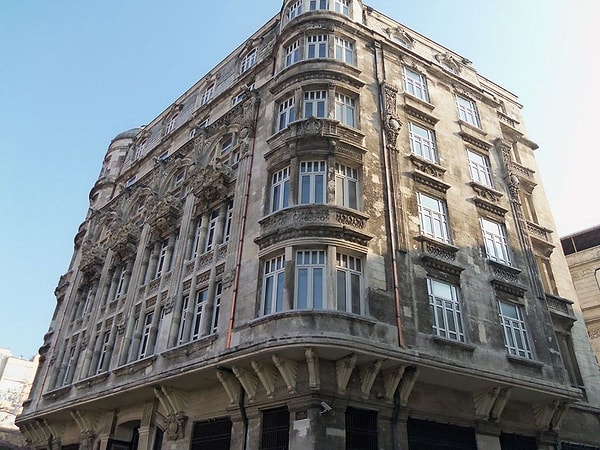
This building was commissioned by Hanna Frej to an architect named Kyriakidis between the years of 1905 and 1906. The building was constructed in the Jugendstil style, the German equivalent of art nouveau. The Frej family, originally from Lebanon, is recorded as one of the wealthiest and most high-society families in Istanbul. In fact, they were so affluent that they could afford to lend money to the state. They further increased their wealth by marrying their children into the equally prosperous Glavani family. It is known that the building was constructed after this marriage.
In Reality, a Housing Complex: Sünget Apartment Building
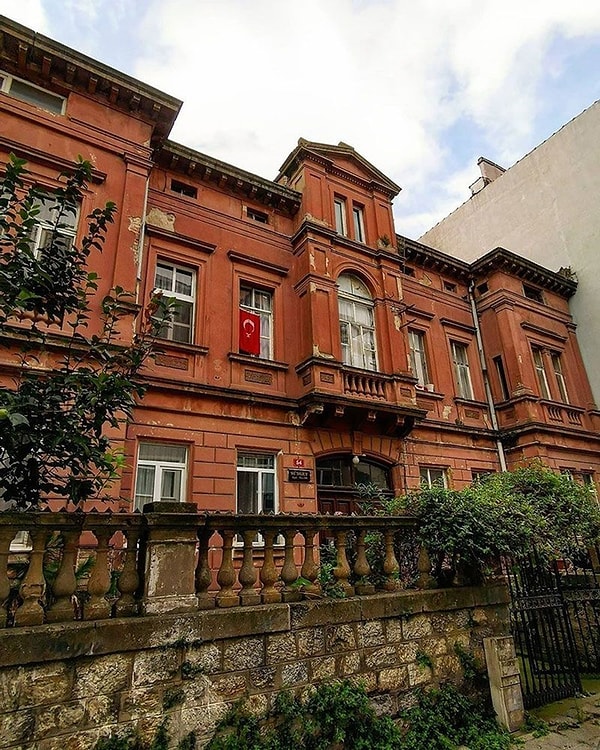
The Sünget Apartment, formerly known as Ankara Han, was originally built as a lodging and guesthouse for German engineers and architects who undertook the construction of Haydarpaşa Station between 1905 and 1910. After the Germans vacated the building, it was purchased by the Turks. Following an incident where a body was washed in the communal bathroom, the residents refused to use it again. Consequently, individual bathrooms were installed in each apartment, giving the building its current form.
Istanbul's First Social Housing: The Harikzedegan Residences
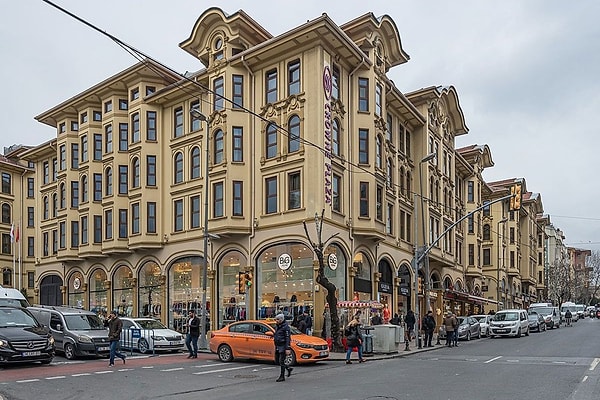
Also known as Tayyare Houses, the reason for this name is that they were handed over to the Turkish Aeronautical Association after the proclamation of the Republic. The purpose of their construction was to provide refuge for people in the event of a potential fire in Istanbul. The word 'Harikzede' in Turkish means 'fire victim'. Built between 1919 and 1922 by Architect Kemalettin Bey, these houses are known as the first social housing in Istanbul.
One of the favorite spots for tourists: The Akaretler Row Houses
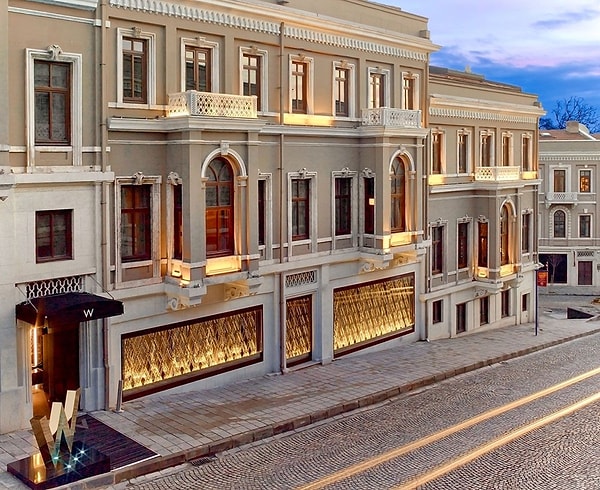
This is one of Istanbul's most beloved photo spots for tourists. Known as the Sıraevler, it's recognized as the first mass housing project of the Ottoman Empire. Back in the day, it was said that the most distinguished individuals of Istanbul were tenants on this street, which is now bustling with traffic. The neighborhood's name, Akaret, is known to mean 'property that generates rent'. The architect behind it was the Armenian, Sarkis Balyan. Constructed in 1875, during the reign of Sultan Abdülaziz, it was built as a lodging for the aghas working in Dolmabahçe Palace, following the principle of a dormitory. The rents collected from these houses were used to finance the construction of the Aziziye Mosque.
Hosted Exhibitions: The Ralli Apartment
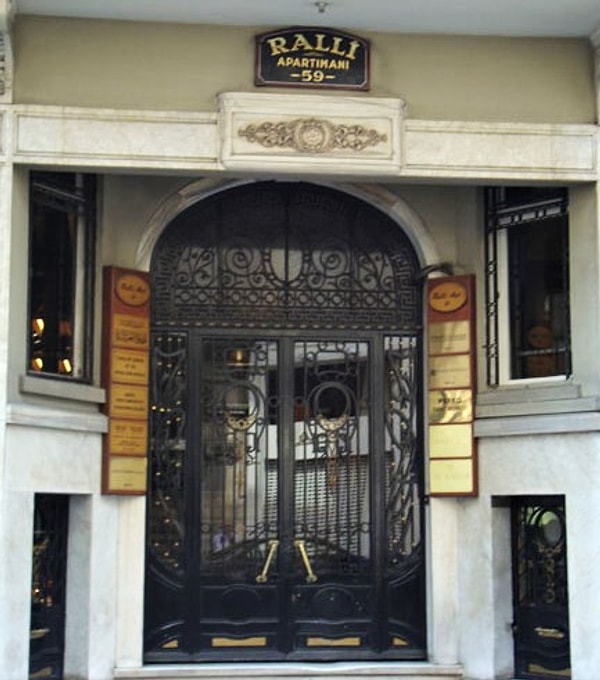
The Ralli Apartment, one of the most exclusive and historic buildings in Nişantaşı, holds particular significance from an art history perspective. It was here that Fahrelnisa Zeid, a pioneer of abstract painting in Turkey, unveiled her first personal exhibition in 1945, followed by her second in 1946. The building itself is a representative of both 'Art Deco' and 'Art Nouveau' styles.
The Epitome of Luxury: The Khedive Palace
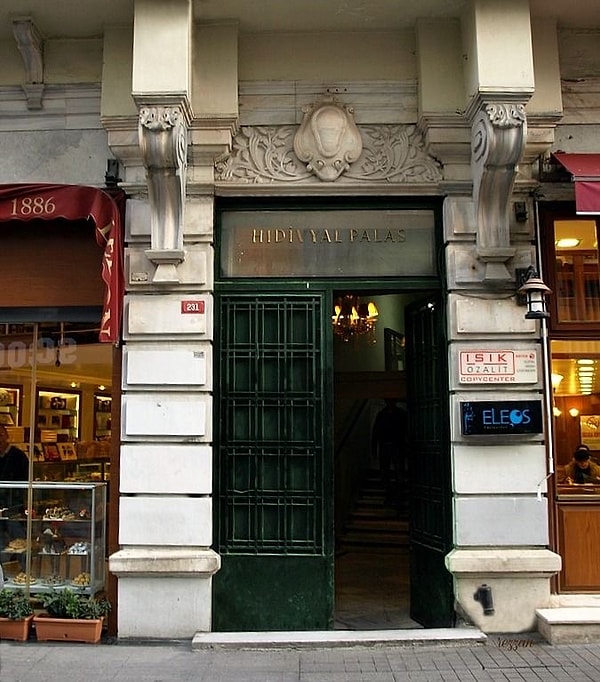
While many old apartments in Beyoğlu are being transformed into hotels, the transformation of Hıdivyal Palace has taken a somewhat reverse course. Originally opened in 1841 as one of Istanbul's most luxurious hotels under the name Hotel d'Angleterre, the Hıdivyal Palace underwent a change of hands in 1895, adopting various names such as the Egypt Hotel and the Khedive Hotel. This building, which gained fame during its initial opening period with its multilingual staff, wines, and dishes, a French restaurant with a Bosphorus view that made its way into history books, and renowned guests including Pierre Loti, today hosts the Lebon Patisserie and the Armada Restaurant.
Still Standing Tall: The Deniz Palas
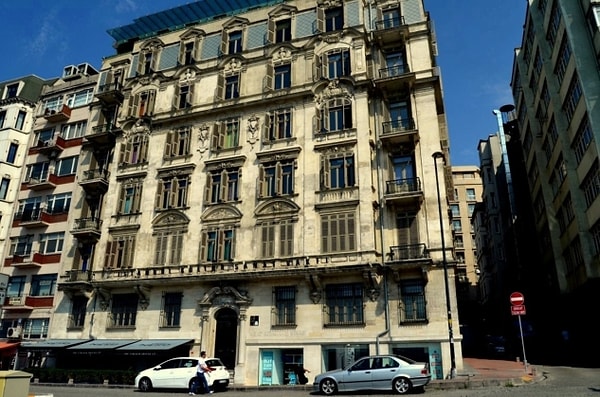
Situated right next to the Sadi Konuralp Street exit of the Şişhane metro station, the Deniz Palas, today known as the Nejat Eczacıbaşı Building, serves as the home to the Istanbul Foundation for Culture and Arts (IKSV), one of the most significant institutions in Istanbul's cultural and artistic life, and its concert venue, Salon. Originally constructed as an apartment building named Kirzade Apartment in 1920 by architect Georges Couloutros, Deniz Palas is a prime example of the art nouveau style in Istanbul.
It has a somewhat tragic backstory: The Kamondo Apartment.
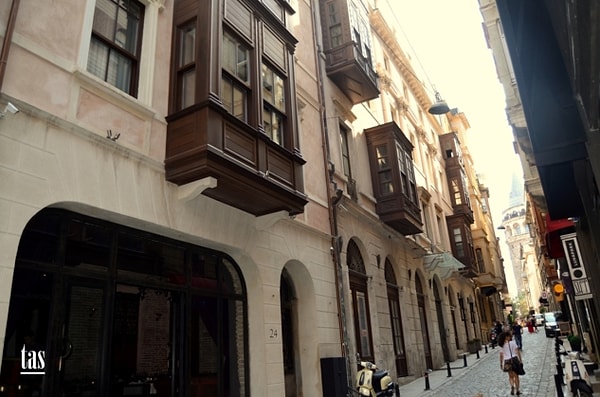
The tale of the Kamondo Family, a Sephardic family who commissioned many significant historical structures in Istanbul, including the Kamondo Stairs which still serve the city's residents today, is somewhat tragic. Despite their deep love for Istanbul and their significant contributions to the city, the family moved to Paris during the decline of the Ottoman Empire. Tragically, all members of the family lost their lives when they were sent to Auschwitz during World War II. Although it is not known exactly when and by whom the Kamondo Apartment, the family's residence on Serdarı Ekrem Street, was built, there are two key pieces of information about it. The first is that the architect Gabriel Tedeschi, the sultan's dentist Hantz Von Der Heyde, and the artist Abidin Dino all lived there. The second is that the famous Kamondo Stairs were built to allow Avram Kamondo to easily travel from this apartment to his bank building on Voyvoda Street.
One of the first five apartment buildings in Istanbul: The Barnathan Apartment
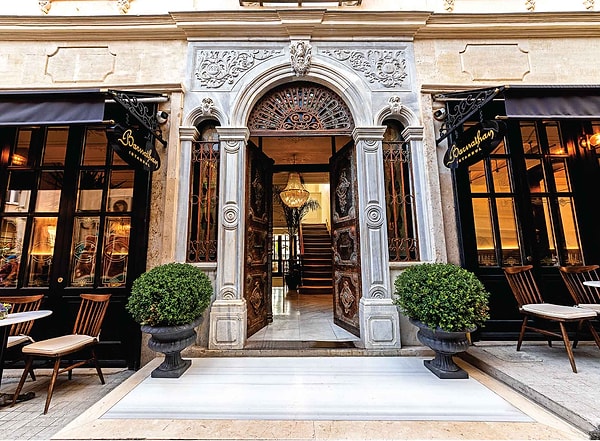
Pera is a destination that houses some of Istanbul's first apartment buildings. Among them is the 130-year-old Barnathan Apartment, located on Shahkulu Street. This building, being one of the first five apartment buildings in Istanbul, has been restored in accordance with its historical origin. Now, it welcomes visitors as a café, restaurant, and bar.
Cercle d'Orient: Home to Emek Cinema and Inci Patisserie
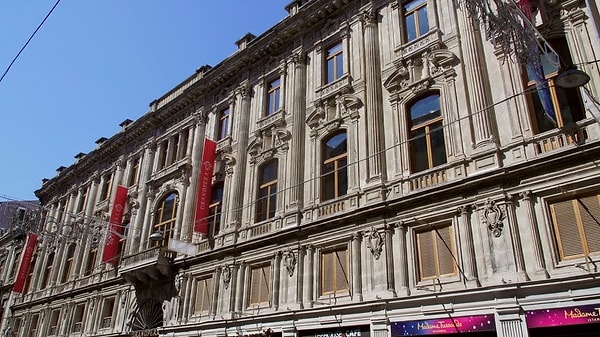
Constructed in 1883, the Cercle d’Orient was commissioned by Abraham Pasha, a key figure in the Ottoman Empire's relationships with the West during that era. Designed by Alexandre Vallaury, a French-born Ottoman citizen, this building quickly became one of the most frequented venues in Beyoğlu towards the end of the 19th century. Adorned with human and animal figures, the building boasts a monumental facade. Over time, the ownership of the building changed hands and it was divided into sections, each housing a variety of different shops. Following the proclamation of the Republic, the building was renamed 'Büyük Kulüp' and gained historical significance as the original location of classic establishments such as the Emek Cinema and İnci Patisserie.
Neo-Baroque Exemplar: The Decugis House
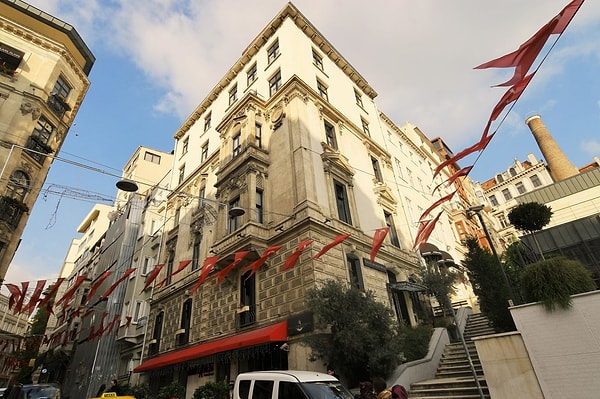
Constructed in 1881 as a winter residence by the French Décugis family, this apartment is a prime example of the Art Nouveau style. Mr. Henri Hypollite Décugis, the owner of the Décugis House, one of the first stone buildings in Beyoğlu, resided in this house with his family for 60 years. Hypollite Décugis, who was engaged in antique trading, was a beloved figure in the community due to his work ethic and honesty. The exquisite building, designed by Alexandre Vallaury whose signature graces many buildings in Beyoğlu, boasts a neo-baroque style. Presently, while the lower floors of the building house a restaurant, the upper floors are used as a hotel.
Pera Palace boasts rooms of Atatürk and Agatha Christie.
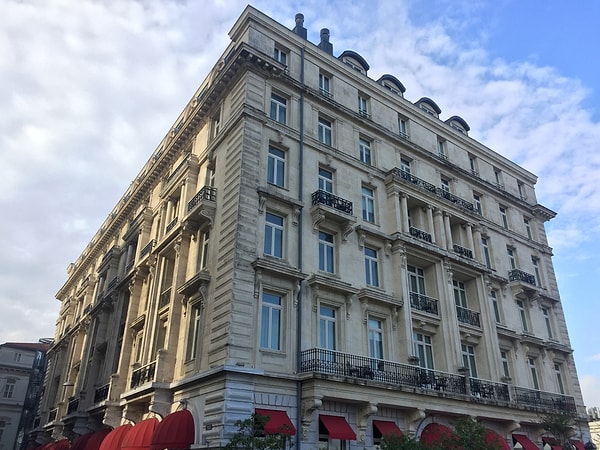
Situated on Meşrutiyet Street, the Pera Palace Hotel now serves as a museum hotel. With the commencement of the Istanbul-Paris train services by the Orient Express, which has been the subject of novels and films, there was a need for a hotel that met European standards. Consequently, construction of the Pera Palace Hotel began in 1892. This iconic building, bearing the signature of Alexandre Vallaury, possesses an eclectic style that harmoniously blends Art Nouveau, neoclassical, and orientalist architectural styles. The hotel has become an indispensable destination for those who wish to witness the rooms of famous guests like Mustafa Kemal Atatürk and Agatha Christie, and to immerse themselves in the era and timeless history.
Keşfet ile ziyaret ettiğin tüm kategorileri tek akışta gör!
 Test
Test
 Gündem
 Magazin
 Video
Video



Send Comment