


Using Your IBAN This Way Could Put You in Prison


Bank accounts and IBAN numbers, some of the most frequently used financial tools in daily life, can turn into a legal nightmare that ruins lives if not handled with care. Particularly, advertisements that rapidly spread on internet and social media platforms, offering to 'use your account and earn a commission,' are unwittingly making thousands of citizens accomplices to serious crimes. Lawyer Sungur Karaduman, emphasizing that the defense of 'I was unaware' or 'I was victimized' has no legal validity, issued vital warnings about the sharing of IBAN numbers and account security.

Beware of the "Lend your account, get your share" scam.
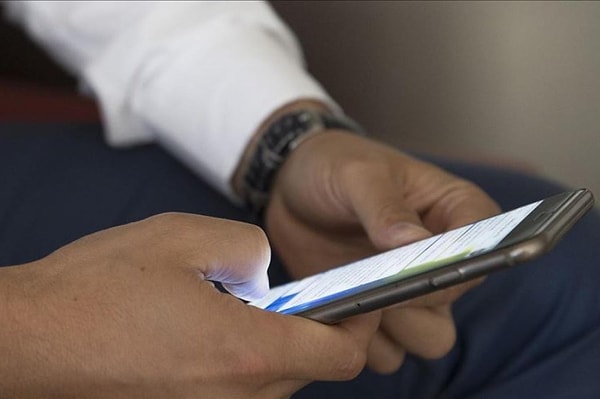
Many people perceive their bank accounts as innocent tools used solely for transferring money. However, these accounts of citizens with clean records are the targets of fraudsters and illegal organizations. Individuals, lured by the promise of easy money, are ensnared with the proposition: 'Money will be deposited into your account, you will send that money to this account, and in return, you will receive your share.'
Lawyer Sungur Karaduman emphasized that this method is the most frequently encountered crime committing technique in economic crime investigations. Karaduman pointed out that citizens, knowingly or unknowingly, are added as a link to the chain of laundering and transferring money obtained from criminal activities.
Is it a crime to just share an IBAN?

Karaduman, who points out the legal inadequacy of the common perception in society that 'It's a crime to just give someone your IBAN number,' clarified that the issue is not technically about the IBAN number itself. He emphasized that the key determinant in legal processes is the purpose for which, by whom, and with what intention the bank account is used.
It's well-known that sharing an IBAN for commercial activities, rent payments, bill transactions, or purchases of goods and services within the normal flow of daily life carries no criminal element. However, the real danger begins when bank cards, internet banking passwords, or mobile banking access information are handed over to third parties whose trustworthiness is not assured.
In court, the "I didn't know" defense doesn't save you.

Defenses frequently used in judicial processes such as 'I didn't know the money came from a crime' or 'They just told me they would give me a commission' are no longer sufficient to save the defendants from imprisonment. Under the Turkish Penal Code, individuals who lend their bank accounts to others and benefit from these transactions can face severe prison sentences on charges of participating in a crime or laundering assets derived from a crime. Experts agree that no money of unknown origin should be accepted into accounts, and online banking passwords should never be shared with anyone.
Keşfet ile ziyaret ettiğin tüm kategorileri tek akışta gör!
 Test
Test
 Gündem
 Magazin
 Video
Video



Send Comment