


Unlocking Deadliest Pandemic Secret: 500-Year-Old Mummies Reveal Smallpox DNA Link


Flower disease detected in 500-year-old mummy. Scientists, after finding traces of ancient DNA belonging to the Variola virus in two natural mummies found in the Camarones region in northern Chile, revealed the origin of the disease through analyses. Here is the discovery that solves one of the greatest mysteries in history.

DNA Analysis Solved Century-Old Mystery

Researchers determined that the remains belonged to a male in his 1820s and a female in her 3035s. Upon examining the virus genome, it was determined that the detected smallpox lineage belonged to a branch that is now completely extinct, positioned between the strains seen in Medieval Europe and those seen in later periods.
This finding strongly supports that the virus originated from Europe and reached the American continent in the early years of the Spanish colonial period.
First Genetic Evidence of the Plague Coming from Europe
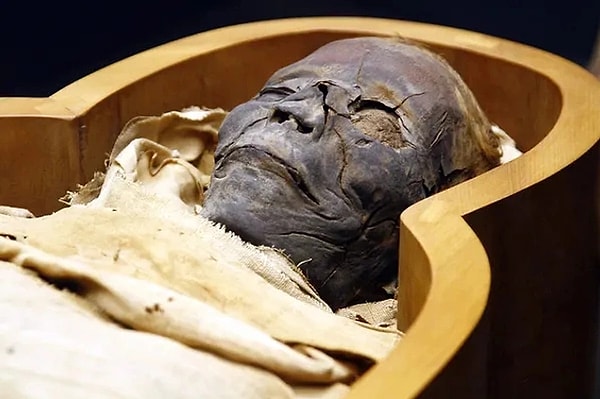
Historians have long known that the smallpox disease, which arrived on the American continent along with Spanish explorers and colonizers, wreaked havoc on the indigenous population. However, until now, no molecular evidence has been found to directly demonstrate this.
According to experts, smallpox, along with measles and other contagious diseases, caused the death of a large portion of the indigenous population in America and accelerated the collapse of great civilizations such as the Aztecs and Incas. Some historical estimates suggest that approximately 90% of the indigenous population lost their lives due to diseases originating from Europe.
Historical Discovery from a 500-Year-Old Mummy
The team conducting the research points out that the obtained DNA not only confirmed the arrival of smallpox in America, but also helped understand the evolution of the virus over the centuries. The findings also revealed a crucial missing link between the old virus strains circulating in Europe and later types of smallpox. The study was published in Science, one of the world's most prestigious scientific journals.
Keşfet ile ziyaret ettiğin tüm kategorileri tek akışta gör!
 Test
Test
 Gündem
 Magazin
 Video
Video
Read More






Send Comment