


They Turned Seawater into Drinking Water Using Sunlight


Scientists have developed a new system capable of transforming seawater into drinkable water solely with sunlight. Moreover, this method operates without producing toxic salty waste, one of the major issues with traditional purification facilities. In addition, it allows for the extraction of valuable substances such as lithium from the remaining minerals.

The sea water is being purified by sunlight.
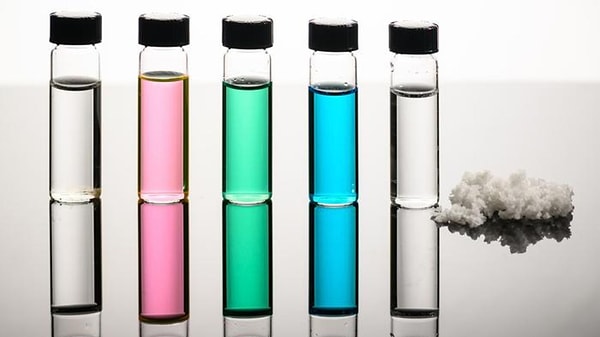
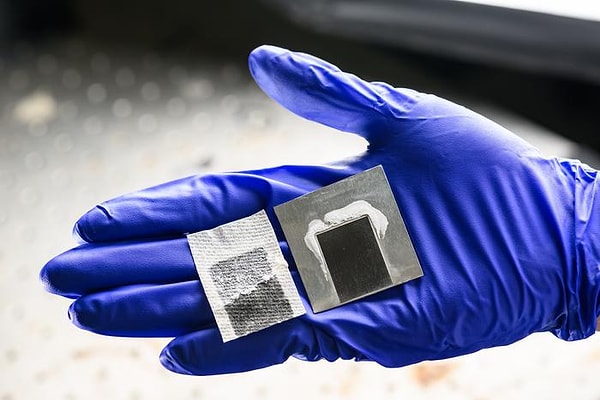
The developed system employs black metal panels treated with femtosecond lasers. These specialized surfaces absorb sunlight with high efficiency and spread water in a thin layer on the surface, causing it to evaporate. The evaporated water can then be collected as purified drinking water.
One of the major issues with traditional solar-powered purification systems is the formation of a hard layer on the surface due to minerals like calcium and magnesium in seawater. This can clog the system over time. However, the novel surface developed by the researchers moves salt and minerals from the active area to the edges, enabling the system to self-clean.
This allows the system to operate without losing efficiency for extended periods. The researchers tested the method using actual water samples taken from the Pacific, Atlantic, and Indian Oceans.
Instead of leaving salty waste, it yields valuable minerals.
Traditional methods of seawater desalination leave behind a highly concentrated saline solution while producing drinking water. When this waste is returned to the sea, it can increase the salt concentration in the water, posing a potential risk to marine life. However, the new system collects salt and minerals in a solid form instead of this waste liquid.
Researchers suggest that this method might not be limited to just producing table salt. It is believed that critical minerals used in battery production, such as lithium, could also be separated with the same technology.
The team managed to separate approximately half of the existing lithium from the salts left behind after purification in tests conducted with water samples taken from the Great Salt Lake. Consequently, this method could emerge as a notable alternative in the future, both for clean water production and for the supply of lithium, which is of critical importance for electric vehicles and electronic devices. For now, the technology has been proven to work on small-scale devices.
Keşfet ile ziyaret ettiğin tüm kategorileri tek akışta gör!
 Test
Test
 Gündem
 Magazin
 Video
Video



Send Comment