


They Built an 81-Meter Bridge With Over 7 Tons of Waste Destined for the Trash


Plastic waste is often synonymous with environmental pollution. However, a project implemented in the basin of the Panama Canal has demonstrated that materials destined for the trash, when properly processed, can directly alter people's lives.
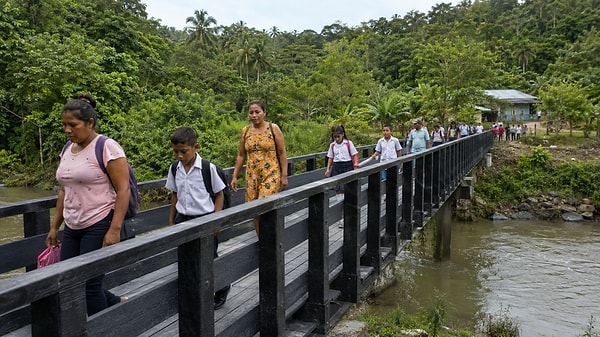
A bridge spanning 81 meters over the Boquerón River was constructed using more than 7 tons of recycled plastic.

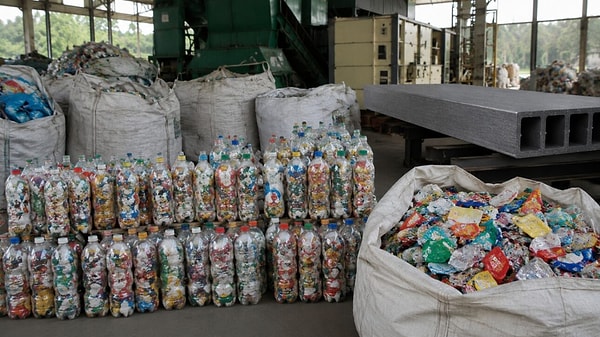
Over 7 tons of plastic waste were utilized.
In the construction of the bridge, 'plastic wood' profiles, derived from recycled plastic, were utilized. Flexible plastics, which would ordinarily end up in landfills, such as packaging, bags, and film, were processed into durable construction material.
This material offers certain advantages over traditional wood. It is touted as being more resistant to issues such as rot, rust, fungal and insect damage, which are common in structures exposed to water, humidity, and sunlight. This becomes particularly significant for river crossings that encounter rain and humidity throughout the year.
The bridge connects the communities of La Peluca, San Juan de Pequení, Boquerón Arriba, and Boquerón Abajo in the Panama Canal basin. The river, which was previously traversed with improvised and risky crossings, has now been transformed into a safer path.
More than 300 people can pass through safely.
It has been reported that over 300 people have benefited from the new bridge. For the local residents, this structure is more than just a transit point; it signifies a safer means of reaching schools, workplaces, and essential services.
Particularly during the rainy seasons, when the river level would rise, crossings could become significantly riskier. Thanks to the bridge, daily transportation is no longer a game of chance dependent on water levels and weather conditions.
The project also demonstrates that recycling is not confined to environmental cleanliness. With the right technology and collaboration, waste plastics can transform into permanent infrastructure solutions that ease people's lives. This example in Panama stands out as a striking model for rural areas facing similar challenges.
Keşfet ile ziyaret ettiğin tüm kategorileri tek akışta gör!
 Test
Test
 Gündem
 Magazin
 Video
Video



Send Comment