


Researchers Successfully Bake Sourdough Bread From 5,000-Year-Old Mummy Yeast


The Ice Man, Ötzi, who has remarkably survived to our present day, preserved in ice for millennia atop the Alpine peaks, never ceases to astonish the world of science. The most recent investigations into this 5,300-year-old mummy, unearthed in 1991 in the Tyrolean Alps straddling the border of Italy and Austria, have transcended the confines of archaeology, venturing into the sphere of food science. The research team has announced their success in baking sourdough bread in a controlled lab environment, utilizing ancient strains of yeast extracted from Ötzi's remains and the adjacent layers of ice. The scientists' subsequent ambition is to concoct an age-old beer using the same yeast.

For the first time, the most detailed map of 'Ice Man Ötzi' has been unveiled.
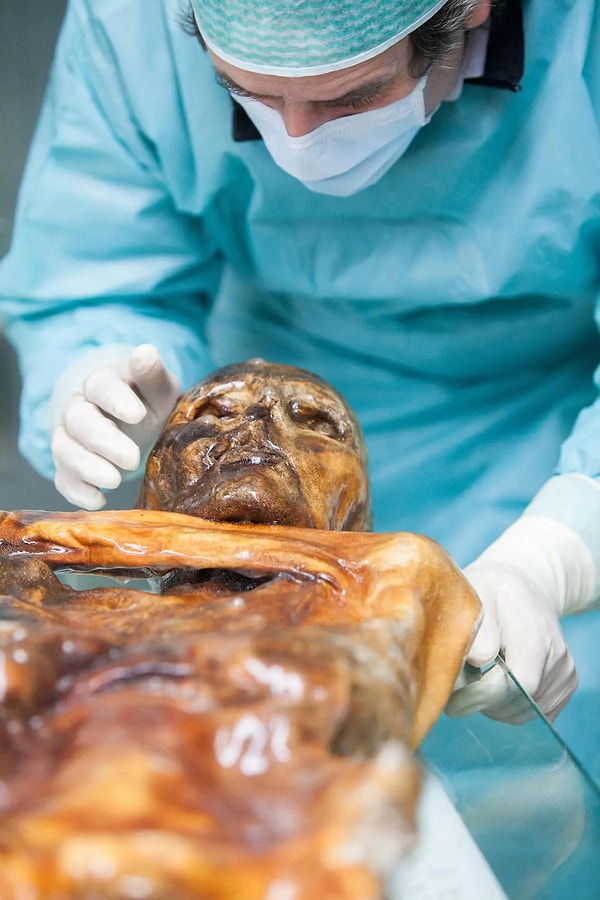
Published in the prestigious science journal Microbiome on June 3rd, the study unveiled the clearest depiction of Ötzi's microbial map. The research team, led by microbiologist Mohamed Sarhan and institute director Frank Maixner at the Eurac Research Institute for Mummy Studies, scrutinized all microorganisms living on, in, and around the mummy. While previous studies primarily focused on Ötzi's oral and intestinal structures, this time, the question of whether the entire body ecosystem is still active thousands of years later was investigated.
A CRITICAL PROCESS THAT LASTED 5 HOURS
Ötzi, preserved in the South Tyrol Museum of Archaeology in Bolzano, Italy, is kept in a special room with a temperature of 6 degrees and a humidity rate of 99% to maintain the glacial environment found in nature. In April 2019, with special permission from the museum management, the research team carefully melted the ice layer on the mummy. During this critical process, which lasted approximately 5 hours, the melted ice water was used to collect samples from the outer surface and accessible internal organs.
Ancient microorganisms dating back thousands of years were discovered on Ötzi.
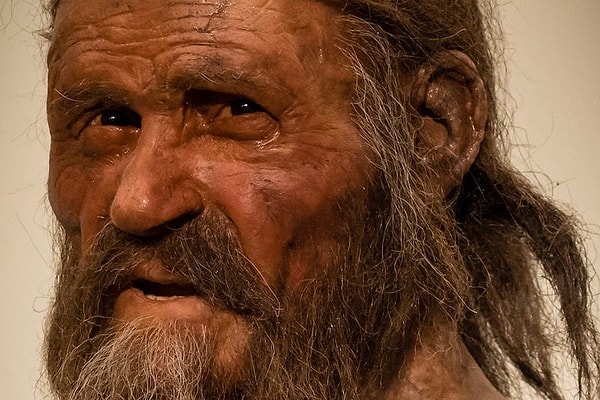
Laboratory analyses revealed a fascinating blend of ancient microorganisms and modern bacteria on Ötzi, hailing from thousands of years ago and the contemporary world respectively. It was discerned that while some of the detected microbes were inhabitants of Ötzi's body during his lifetime, others settled in the remains post-mortem.
One of the most intriguing aspects of the research, however, was the alteration of the mummy's biological structure due to preservation efforts in the museum. Microbiologist Mohamed Sarhan pointed out that the water periodically sprayed to prevent the mummy from drying out had inadvertently fostered the growth of certain modern bacteria on the external surface.
(Image: A representative depiction of Ötzi)
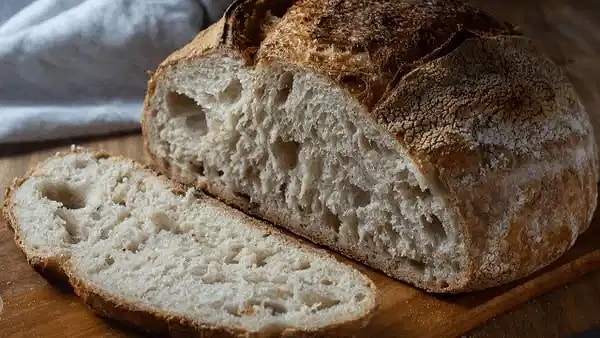
They baked a sourdough bread using a 5,000-year-old mummy's yeast.
The aspect of the study that sparked excitement within the food industry was the discovery of four different cold-resistant yeast species that managed to survive in glacial conditions. In particular, it was observed that the yeast species named 'Glaciozyma' had proliferated over centuries to become dominant. A comparison of samples taken in 2010 and 2019 proved that these yeasts could continue their cellular activities even under existing cold storage conditions. Frank Maixner stated that these special yeasts had accompanied Ötzi on his thousands of years journey without interruption.
The researchers announced that they successfully baked sourdough bread using the yeast species found in Ötzi's body. The next goal for the scientists is to brew beer using this particular yeast.
Keşfet ile ziyaret ettiğin tüm kategorileri tek akışta gör!
 Test
Test
 Gündem
 Magazin
 Video
Video



Send Comment