


Is My Cat Depressed? Here is How to Tell If Your Cat is Sad!


Cats, by their very nature, are masters at concealing their weaknesses and pain. However, experts caution that behind this silence, there could be a serious emotional turmoil. According to veterinarians and animal behaviorists, a cat's state of mind, often described as sad or unhappy, is typically directly linked to environmental stress factors or undiagnosed chronic pain. At this juncture, the most crucial signal is sudden deviations in the animal's daily routines and sharp changes in their appetite. It is vitally important for cat owners to recognize these silent cries in time to maintain the quality of life of our furry friends.
Details below 👇

The initial signs are typically observed as alterations in routines and a loss of appetite.
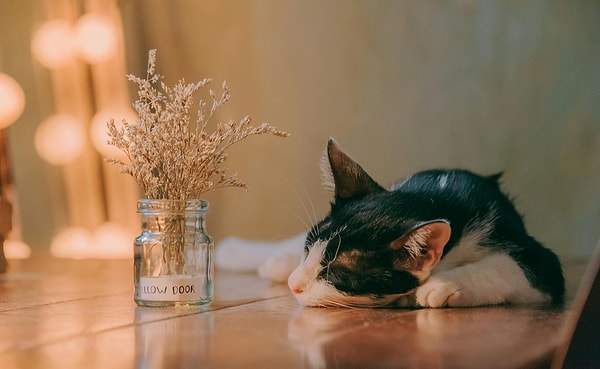
In the world of a cat, order is everything. Therefore, deviations in feeding habits are often the first sign that something is amiss. Complete refusal of food or uncontrollable eating due to stress are considered serious warning signs by authorities such as the American Veterinary Medical Association (AVMA). These physical changes are usually accompanied by social isolation. A normally playful cat retreating to corners or showing a tendency to hide from its owners is the most tangible manifestation of the emotional void or loss of trust it is experiencing. Experts emphasize the need for a thorough examination of the underlying causes of such 'withdrawal' reflexes.
Negative behaviors start to become more physical.
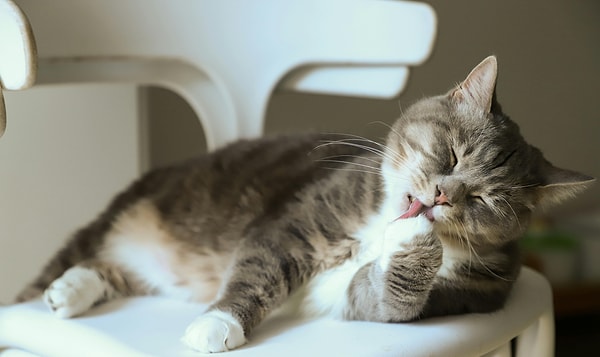
At the point when emotional stress begins to manifest physically, cats start to display 'compulsive' or obsessive behaviors. It's a clear sign of severe anxiety disorder when a cat excessively licks its fur to the point of irritating its skin as a form of self-soothing. Accompanying changes in vocal tone are also noteworthy. Unusually high-pitched meows or increasing restless calls during the night are, in fact, an attempt to initiate a plea for help with their owners. One of the most misunderstood reactions is disruptions in their toilet habits. Urinating outside the litter box is not an act of 'stubbornness,' but rather a clinical reflection of deep unease caused by either a medical issue or environmental changes.
At the final stage, the importance of energy loss and a solution-oriented approach cannot be overstated.
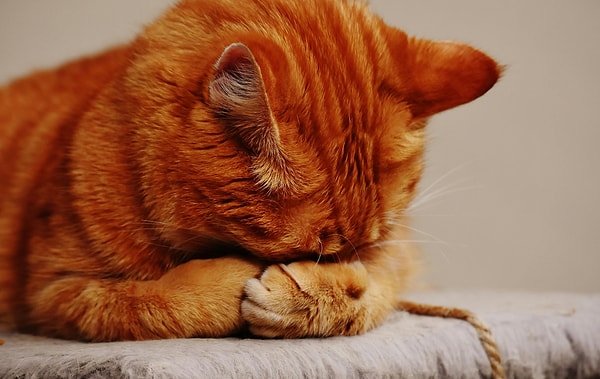
In the final stage, a dramatic drop in the cat's overall energy level clearly indicates a decline in its quality of life. An animal that is unresponsive even to its favorite toys and spends most of the day in a lethargic state could be in a deep state of emotional distress. At the first sign of these symptoms, a comprehensive health screening should be conducted, and if there is no physical obstacle, environmental enrichment methods should be employed. Maintaining routines, providing a safe living space, and minimizing stress factors could help the cat regain its former energy. It's important to remember that cats experience their emotions quietly. Spotting small changes in time is the greatest investment in their health.
Keşfet ile ziyaret ettiğin tüm kategorileri tek akışta gör!
 Test
Test
 Gündem
 Magazin
 Video
Video



Send Comment