


Painful Lives of Historic Whale Hunters Revealed in Skeletons Marked by Scurvy


Archaeologists have made striking discoveries in the freezing depths of the North Pole, unearthing the tragic lives of early modern period whale hunters. However, the real challenge for scientists is just beginning; due to rising sea levels and climate change, this historical burial site is rapidly disappearing. Researchers are essentially racing against time to rescue a significant chapter of human history before it is submerged under the waves.

Known in Norwegian as "Likneset," which translates to "Corpse Point," it is recognized as the largest whaling graveyard situated in the Svalbard archipelago, nestled between the North Pole and the northern shores of Norway.
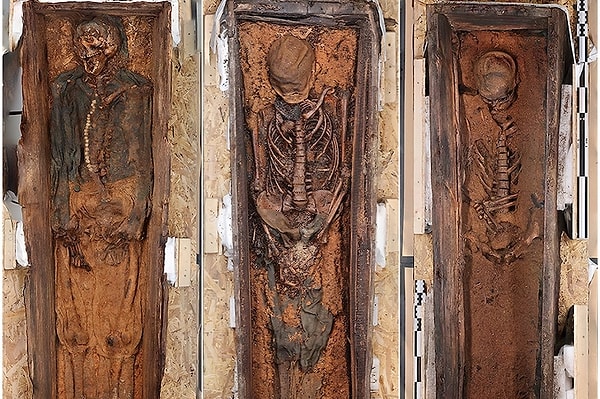
In the region, hundreds of shallow graves marked with piles of stones can be found. These graves date back to the 17th and 18th centuries, a time often referred to as the golden age of whale hunting in the area.
In a new study published in the PLOS One journal, archaeologists took a closer look at 20 skeletons from this graveyard. Their investigations revealed the short, pain-filled lives these men led while working in Europe's first large-scale raw material industry.
Archaeologist Lise Loktu and forensic anthropologist Elin Therese Brødholt from the Norwegian Institute for Cultural Heritage Research directly identified the damage this labor-intensive profession left on the skeletons. The workers, who rowed in freezing and soaking wet conditions, captured massive whales and processed their blubber, showed signs of advanced osteoarthritis (degenerative joint disease), trauma, and extreme strain in their shoulders, spines, hips, and knees, despite their relatively young ages.
In the vast majority of the skeletons examined, scurvy, a disease resulting from a deficiency of vitamin C and the bane of sailors of the time, was identified.
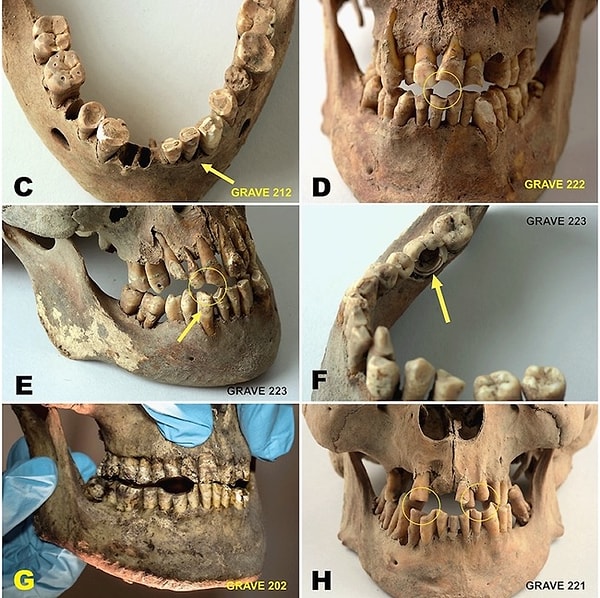
This disease, leading to muscle weakness, tooth loss, anemia, and the collapse of the immune system, was swiftly incapacitating its victims, the hunters.
The tragic irony of the situation was that while the European hunters were unaware of the biological solution to prevent scurvy, they also refused to consume the traditional whale skin and blubber meal (known as muktuk) - a rich source of vitamins C and D - eaten by the indigenous people in the polar region. Furthermore, the wear and tear on the skeletons' teeth suggested that the hunters constantly clenched clay pipes in their mouths and consumed large amounts of tobacco. Given that tobacco use is known to deplete the body's reserves of vitamin C, it's believed that this habit only served to exacerbate the scurvy epidemic.
The most pressing issue that draws scientists to Likneset is the climate crisis.
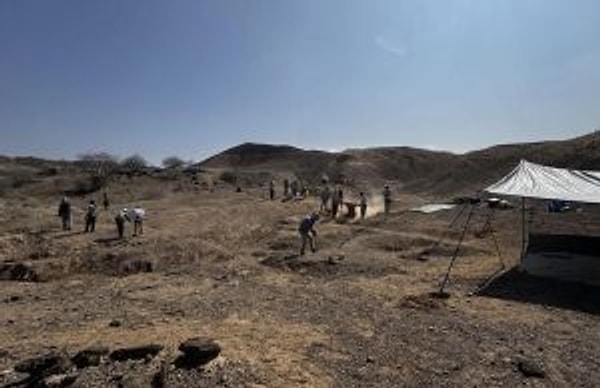
When compared to the excavations conducted in the region since the 1980s, it was discovered that the cemetery area began to collapse due to the melting of the permafrost (frozen soil) that previously held the ground together. Moreover, it was found that the site had already been submerged due to coastal erosion.
Researchers, warning that the rapid warming in the Arctic is destroying this vulnerable cultural heritage rich in organic remnants, are calling for continuous protection and rescue efforts before this historical archive in Svalbard completely melts away.
Keşfet ile ziyaret ettiğin tüm kategorileri tek akışta gör!
 Test
Test
 Gündem
 Magazin
 Video
Video



Send Comment