


Experts Reveal Seven Poisonous Plants You Should Never Touch With Your Bare Hands


With the arrival of the summer months, the time spent in green areas, along roadsides, and in gardens increases. In light of this, experts are issuing a crucial warning: Deadly plants that you should never touch barehanded and absolutely stay away from, can pop up in our daily lives.
Although taking a walk in nature or tending to the garden can be a peaceful activity, some plant species that we frequently encounter in our surroundings pose a serious threat to our health. While the itching and burning sensation caused by nettles is well-known, there are other plants in nature that are far more aggressive, leaving lasting wounds and even resulting in fatal outcomes if consumed.
Here are those plants that you should definitely keep your distance from while roaming in nature or organizing your garden, and the dangers they pose...

1. Giant Hogweed
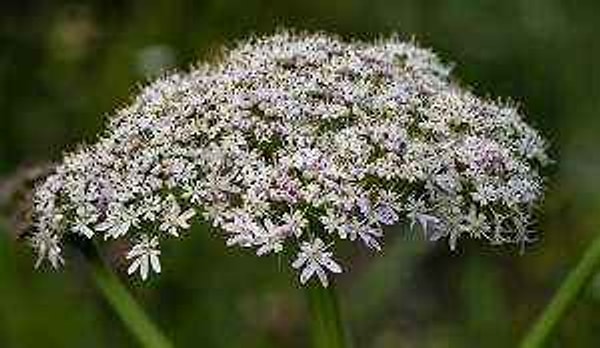
This plant, which presents quite an aesthetic appeal with its umbrella-like clusters of white flowers, can reach up to 5 meters in height when matured. Particularly during the summer months, it renders the skin extremely sensitive to the sun due to the high concentration of chemicals it carries. Accidental contact with this plant can lead to serious skin burns, blistering, and even permanent deep scarring.
2. Common Hogweed (Adi Tavşancıl Otu)
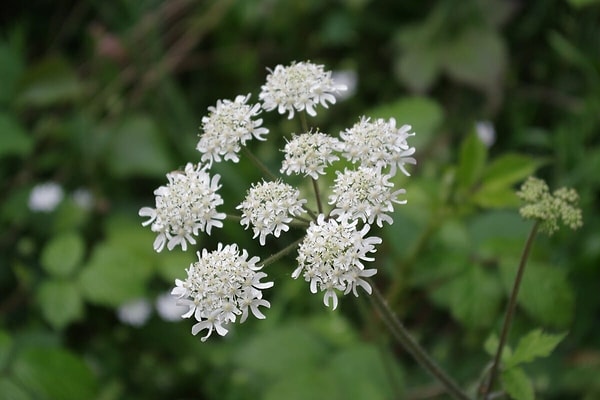
This species, a smaller relative of the giant hogweed, typically thrives in meadows, along roadsides, and at the base of fences. With a height varying between 1 to 2.5 meters, this plant, although a fantastic resource for bees and pollinators, is a complete nightmare for human skin. Just like its gigantic cousin, its sap causes severe chemical burns when it comes into contact with the skin and is exposed to sunlight. It's also highly toxic for domestic animals; it's crucial to wear thick gloves when dealing with this plant.
3. Poison Hemlock (Baldıran Otu)
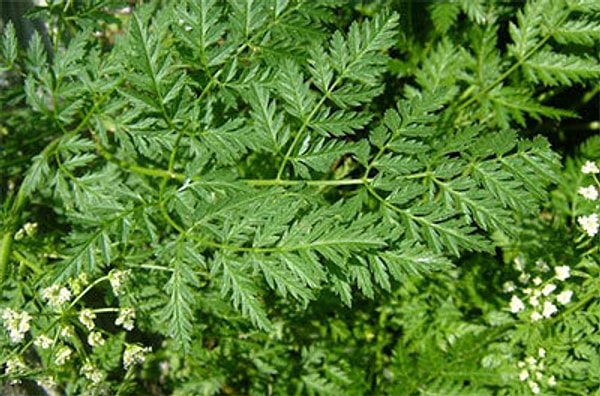
Commonly found in damp areas and along roadsides, the hemlock plant harbors one of the most lethal toxins found in nature. Distinguished by its reddish-purple blotches on the stem and its unique, rodent-like odor, this plant should under no circumstances be ingested. If accidentally consumed, it gradually paralyzes the muscles, leading to respiratory distress and eventually resulting in death by suffocation.
4. Bittersweet Nightshade
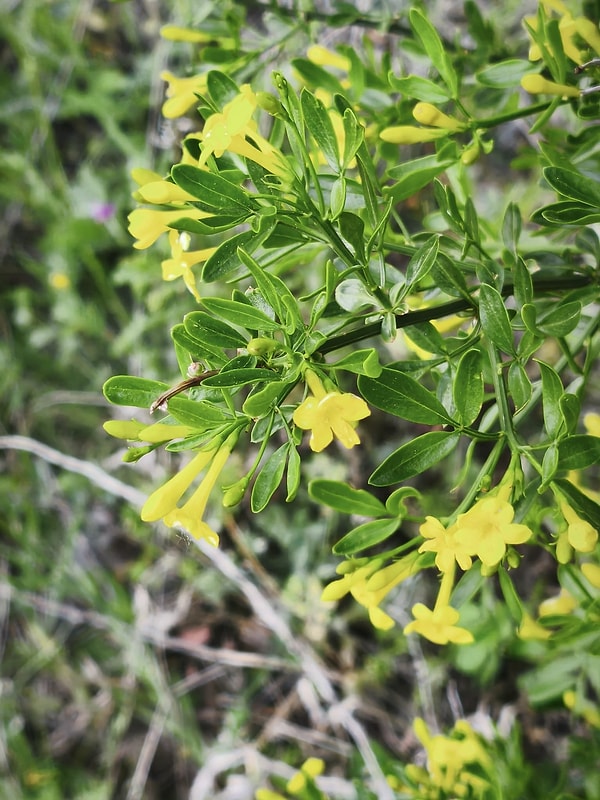
This plant, with its purple flowers and bright yellow pollen at the center, presents a truly beautiful sight, later producing attractive fruits that transition from green to red. However, this beauty is deceiving. If the plant's fruits or leaves are consumed, due to their high toxicity levels, they can cause severe gastrointestinal diseases and poisonings.
5. The Spectacular Deadly Nightshade
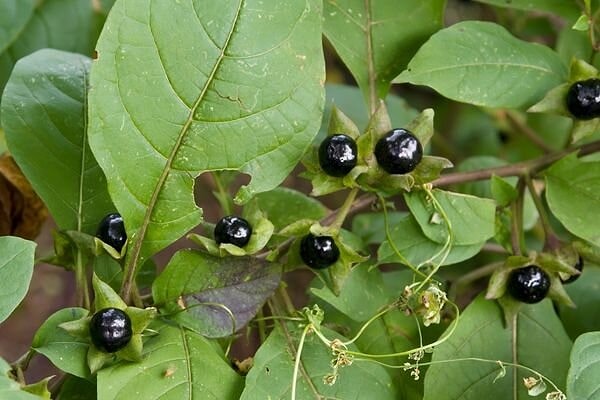
Every part of this plant is highly toxic, but its black and shiny fruits are particularly dangerous. The fruits of this plant, which grows in wooded areas, along trails, and in bushes, pose a significant risk as they can be mistaken for edible wild blueberries. It has bell-shaped, dark green flowers and oval leaves; one should definitely steer clear of it.
6. Tatula / Pipe Weed (Thorn Apple)
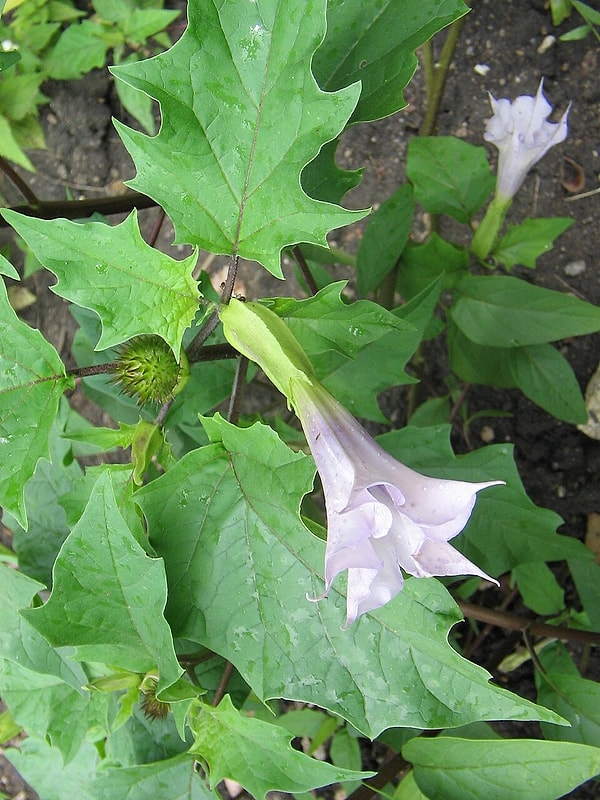
The tatula, which grows rapidly during the hot summer months and can reach up to 1.5 meters, stands out with its exotic leaves with wavy and sharp edges. Between July and October, it blooms flowers that are shaped like a funnel and come in shades of white or light purple. However, its most distinctive feature is its large seed capsules, which are completely covered in thorns. Every part of this plant is highly toxic, and consumption could lead to fatal consequences.
7. Stinging Nettle (Urtica Dioica)
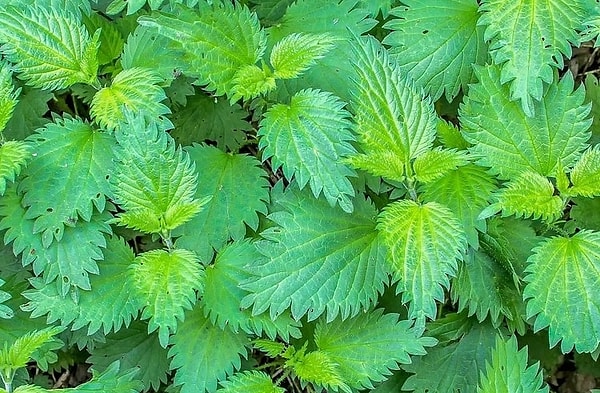
While it may not be as lethal as other plants on the list, it is one of the most frequently encountered and painful species in nature. The minute, invisible hairs on its leaves release an acid upon contact with the skin, leading to severe itching, redness, and a burning sensation that can last for hours.
Keşfet ile ziyaret ettiğin tüm kategorileri tek akışta gör!
 Test
Test
 Gündem
 Magazin
 Video
Video



Send Comment