


Thousands of Tons of Sewage Sludge Dumped onto Farm Fields as Certified Fertilizer


The Wastewater Treatment Plant in Jundiaí, a city in the state of São Paulo, Brazil, is pioneering an exemplary recovery project through its environmental awareness and advanced treatment technologies. The facility collects 98% of the city's wastewater and purifies 99% of it. During the treatment process, it converts tons of sludge into licensed organic fertilizer through composting.

Under regular conditions, the facility, which has a flow rate of 1,530 liters per second and an average of 1,100 liters, is capable of purifying a water flow that can reach up to 2,520 liters per second during peak periods.
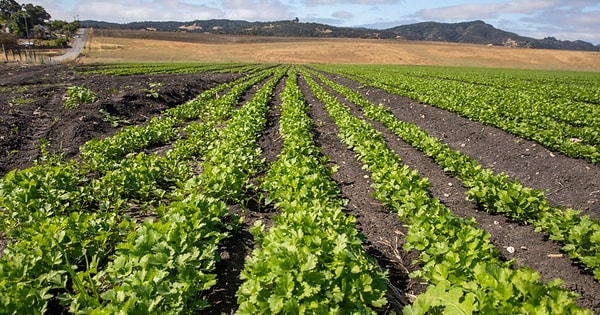
This capacity translates to the processing of 217.7 million liters of wastewater within a 24-hour period. Alongside domestic and industrial wastewater, this colossal station meets the daily biochemical oxygen demand (BOD) equivalent to a population of 1.67 million, which is around 90 tons per day. To ensure operational continuity, the station consumes approximately 1,900 megawatt-hours of energy per month.
The wastewater coming from the sewer lines undergoes the following meticulously planned stages in the treatment process:
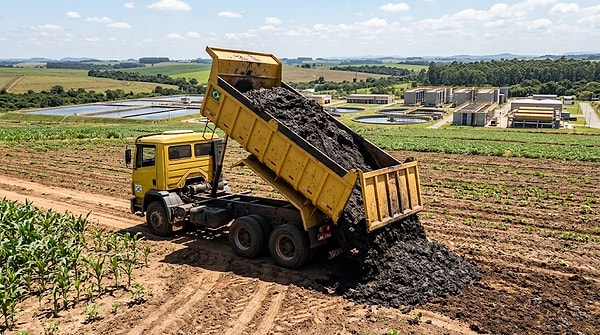
The process begins with the capture of solid materials such as plastic and fabric by grates, a step taken to protect pumps and pipes. Following this, heavy mineral particles and sand are separated using a sedimentation method.
Jundiaí, the first facility in Brazil to use this technology in lagoons, opts for floating membrane diffusers located at the bottom instead of large mixers in its three aeration ponds. The millions of microbubbles released prevent the formation of aerosols, thus facilitating aerobic bacteria to consume organic matter.
The flow transferred to five sedimentation ponds sees the formation of a sludge layer as biological clumps sink to the bottom. As a result of these procedures, 96% of the organic load in the water is successfully removed.
The sludge, collected by sweeping the bottom of the sedimentation tanks, is dehydrated in centrifuge machines.
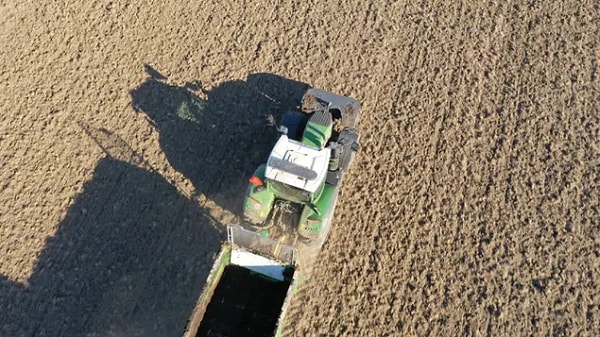
Instead of being directly dumped onto fields, the approximately 3,500 tons of dehydrated sludge produced every month is subjected to a controlled composting process.
The sludge, mixed with urban pruning waste, sugarcane bagasse, and eucalyptus bark, is heated to over 55°C to completely eliminate pathogens and plant diseases. This final product, registered with the Ministry of Agriculture and classified as 'composite organic fertilizer', is safely used not only in coffee, sugarcane, soy, fruit and forestry sectors, but also in landscaping projects.
Keşfet ile ziyaret ettiğin tüm kategorileri tek akışta gör!
 Test
Test
 Gündem
 Magazin
 Video
Video



Send Comment