


Expert Dietitian Reveals the Healthiest Type of Rice


Rice is one of the most consumed staples worldwide. It is particularly a constant presence on the tables in Turkey, served in a variety of dishes such as pilafs, wraps, and stuffed foods. But the question is, among the myriad types of rice we see on supermarket shelves, which one is the healthiest? Is it the familiar white rice, the bulgur-like brown rice, or the black rice that brings the flavors of the East to our homes? And of course, there's also the recent favorite, basmati rice.
According to the video by expert dietician Sevim Akkök, here are the healthiest types of rice.
Source

When we think of rice, it's no longer just white rice that comes to mind.
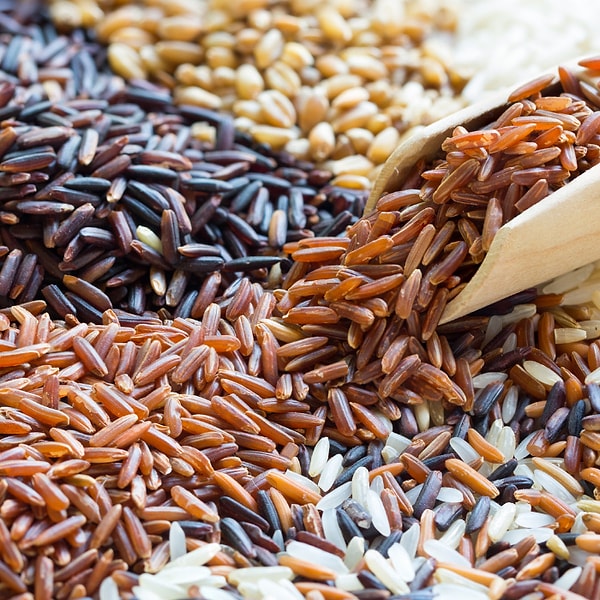
Dating back thousands of years, rice has long maintained its unshakeable place in our kitchens. Consumed as a staple food in many cultures around the world, rice boasts a wide range of uses, from desserts to pilafs, soups to main dishes.
Although we usually think of white rice when it's mentioned, in reality, there is a plethora of rice varieties available today. Brown, black, basmati, baldo... Each one has a unique flavor and benefit.
For instance, while some types of rice are rich in minerals, others stand out for their lower glycemic index.
So, which type of rice is the healthiest?
Brown rice
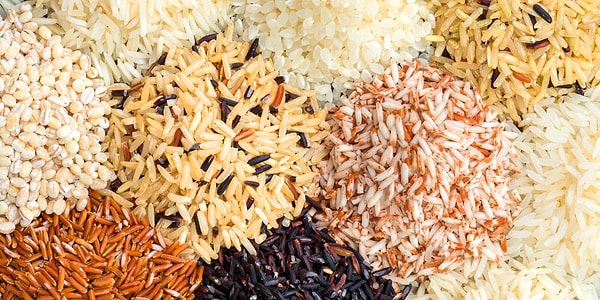
Commonly referred to as brown rice in everyday language, this grain is a type of whole grain that is unprocessed and highly nutritious compared to white rice. The distinguishing feature of brown rice from white rice lies in the fact that its nourishing bran and germ layers are not removed. It falls under the category of whole grains. Brown rice is rich in fiber, vitamins, and minerals, and contains flavonoids.
Substances such as apigenin, quercetin, and luteolin aid in boosting the immune system and provide protection against diseases.
One of the most significant characteristics of brown rice is its lower glycemic index compared to white rice. As a result, it raises blood sugar levels more slowly, which can contribute to managing the risk of diabetes and prolong the feeling of fullness.
Thanks to its fiber content, it supports gut health and contributes to the regular functioning of the digestive system.
However, the cooking time for brown rice is considerably longer than that of white rice. To soften its hard texture, it is recommended to soak it in warm water for at least 30 minutes before cooking. It should then be cooked on low heat for approximately 35-45 minutes until all the water is absorbed.
Black Rice
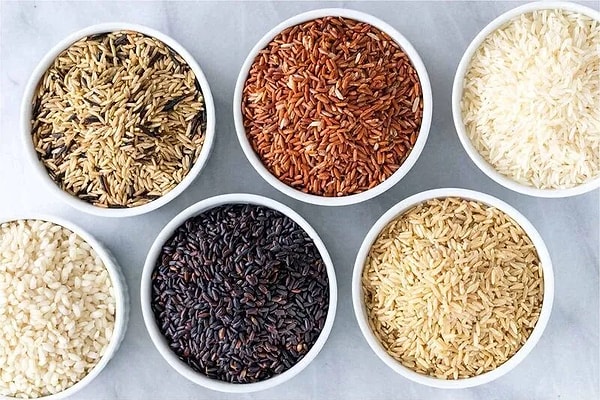
Black rice, also known as the 'Forbidden Rice,' earned its name in ancient China due to its high nutritional value and rarity, which restricted its consumption exclusively to emperors and nobility. Today, it is considered one of the most prestigious and healthiest whole grains in our kitchens. Like brown rice, it is an unprocessed whole grain, but it has unique powers that set it apart from all other types of rice.
Black rice is touted as the richest type of rice in terms of antioxidants. Antioxidants reduce the damage caused by free radicals, protect cells, and decrease the risk of disease.
The substance that gives this rice its black color is anthocyanin. It is suggested that a diet rich in anthocyanin can potentially offer protection against certain types of cancer.
Of course, these are not its only benefits. Black rice also supports gut health and is highly beneficial for heart health.
Red Rice
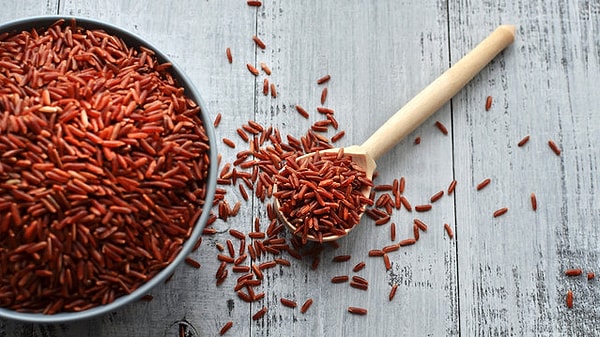
Although finding red rice in Turkey might be a bit challenging, it's indeed a healthy variety of rice. Much like brown and black rice, it's another whole grain that hasn't had its outer shell (husk) removed, making it extremely nutrient-rich. Its distinct reddish-brown color comes from the powerful antioxidants it contains, known as proanthocyanidins. In recent years, it has gained significant popularity in various countries around the world.
Red rice boasts a higher content of fiber, protein, vitamins, and minerals compared to white rice. Some studies even suggest that red rice can contain higher levels of flavonoids than black rice. This type of rice plays a helpful role in reducing oxidative stress, demonstrating anti-inflammatory effects, and minimizing cell damage.
So, is white rice harmful?
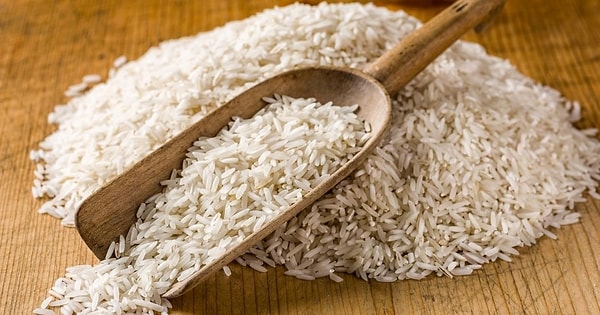
In the process of producing white rice, the bran and germ parts are removed, leaving behind the starchy portion.
Consequently, compared to other types of rice, it:
Contains less fiber.
Has fewer vitamins.
Is deficient in minerals.
Lacks antioxidants.
Moreover, it has a higher glycemic index than other types of rice, which means it can cause a rapid increase in blood sugar levels.
However, according to dietitian Sevim Akkök, it's not entirely accurate to label white rice as 'unhealthy'. The arsenic content in white rice can be lower compared to other rice varieties. It's also possible to enhance the nutritional value of white rice.
Now, let's take a look at basmati rice.
Basmati is a type of rice characterized by its long grains and aromatic nature. It has a lower glycemic index and contains more fiber compared to regular white rice.
In conclusion:
There isn't a single type of rice that can be deemed the healthiest. However, unprocessed or less processed rice varieties are generally more beneficial in terms of nutritional value.
Brown rice: Rich in fiber, vitamins, and minerals; has a low glycemic index.
Black rice: One of the strongest options in terms of antioxidant content.
Red rice: Stands out with its high antioxidant and fiber content.
Basmati rice: A good alternative to white rice due to its lower glycemic index.
White rice: Although it's poorer in nutritional elements, it has advantages such as potentially lower arsenic content and the availability of enriched varieties.
Keşfet ile ziyaret ettiğin tüm kategorileri tek akışta gör!
 Test
Test
 Gündem
 Magazin
 Video
Video



Send Comment