


What Is Philology? The Study Of Language Through Its Texts


Philology covers the history of language in all its aspects, including the historical study of literary texts. It is a field of careful textual analysis that usually works close to literary history. Its main focus is historical development: it helps establish the authentic, original form of a text and, through that, what the text actually means.
In short, philology is the branch of knowledge concerned with the structure of a language or languages, how they developed over time and how they relate to one another. Here is what you need to know about it.

The word itself means 'love of words'.
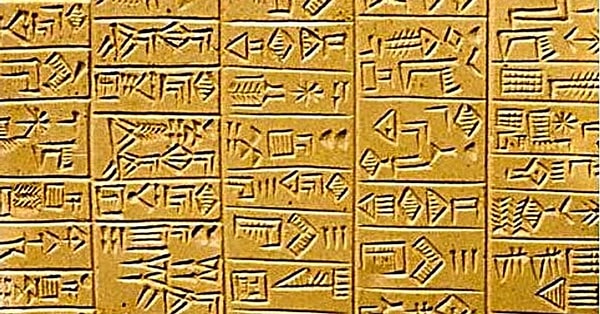
Philology studies the structure of languages, their historical development and their relationships with each other. The term comes from two Ancient Greek words: philos (love) and logos (word), so a literal translation is 'love of words'.
Philologists also test whether written documents are genuine. They look at when a text was produced and what sources it drew on, and they work to decipher original texts.
It reads monuments and old alphabets, not just books.
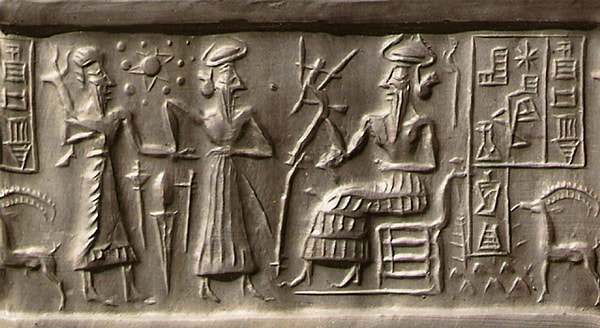
Philology is also used to analyse the languages found on historical monuments and in ancient alphabets. Much of its work concerns the relationship between language, literature and culture.
By examining languages past and present, philology traces family ties between them and the words they have borrowed from one another.
The field has several branches.
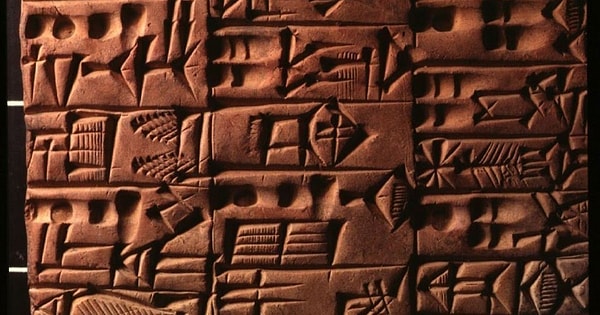
Comparative philology
The branch that studies the relationships between languages is called comparative philology.
Cognitive philology
Cognitive philology examines written and spoken texts with the human mind's processes in view, drawing on other sciences, including psychology and artificial systems, to compare research results.
Philology of a single language
Philology can also focus on one language and its relatives. Turkish philology, for example, studies the Turkish language and the region where it is spoken, classifies its dialects by history, compares them, works on phonetics and etymology, and collects and critically edits the remains of Old Turkic texts.
Keşfet ile ziyaret ettiğin tüm kategorileri tek akışta gör!
 Test
 Gündem
 Magazin
 Video



Send Comment