


What Is Palaeography? The Science Of Reading And Dating Old Handwriting


Palaeography is the discipline whose main task is to read old handwriting correctly and to work out when and where it was written. A person who works in this field is called a palaeographer. Palaeographers decipher the alphabets used throughout history and help us read documents, which makes them important figures in shedding light on historical events. Here is what the field is all about.


A palaeographer's core skill is recognizing countless handwriting styles from different times and places.
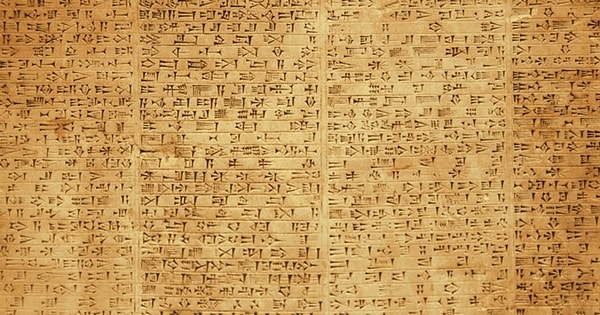
In general, palaeography covers writing found mainly on papyrus, parchment and paper, and a palaeographer has to be familiar with writing materials. Most European scripts derive from Greek and Roman capital letters, but the variations are enormous. Starting at the top left and moving across the page line by line is itself a European convention.
Abbreviations are one of the main challenges palaeographers face. In the Roman period, lawyers used them widely to avoid repeating technical terms and formulas.
The word 'palaeography' combines the Greek palaios, meaning 'old', and graphein, meaning 'to write'.
Palaeography goes far beyond translating the written word.
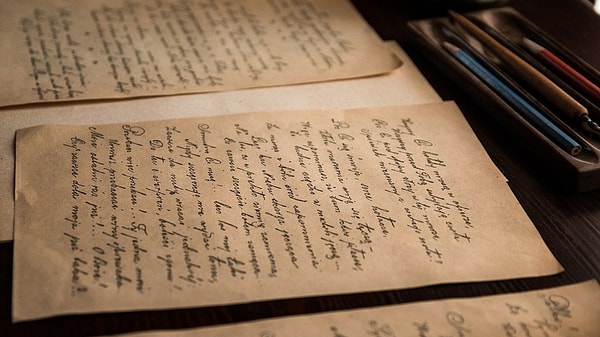
It also studies the methods of writing. This can include examining old tools such as chisels, quills, printing blocks and early pens, as well as old inks and writing materials such as papyrus and plant-based inks.
Besides helping scholars understand ancient cultures and history, palaeography can help experts tell genuine old documents from forgeries. In most cultures, writing style, including word choice, sentence structure, word formation and handwriting, has changed over time, and palaeographers can use the clues these details provide to expose fakes.
What palaeography examines
Letter forms
Ligatures
Abbreviations
Changes in alphabets
Punctuation
Writing surfaces
Palaeography is not concerned with the content of a literary work.
Palaeography and epigraphy are two different fields that are often confused.
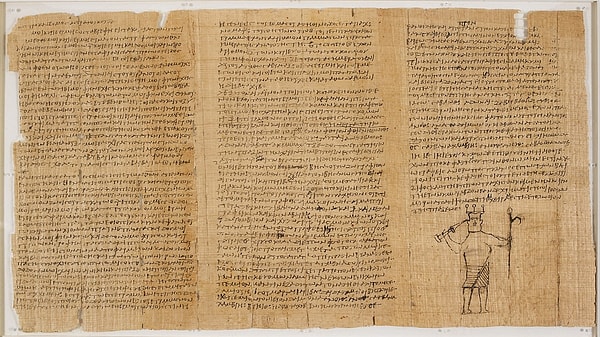
Palaeography deals with written documents, while epigraphy is the field that studies inscriptions. In epigraphy, scholars examine the texts carved or written on inscriptions.
Keşfet ile ziyaret ettiğin tüm kategorileri tek akışta gör!
 Test
 Gündem
 Magazin
 Video



Send Comment