


What Constantly Having Cold Feet Reveals About Your Overall Health


Although many people associate cold feet with winter or chilly weather, feet that remain cold year-round may signal a serious health problem rather than simply feeling chilly. According to experts, the main causes of cold feet and the steps you can take to address them are as follows:


Cold Temperatures and Raynaud’s Phenomenon
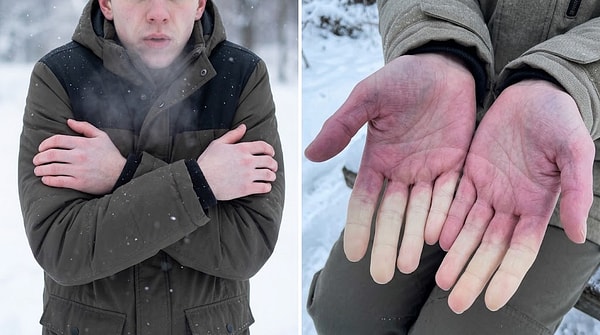
When the body is exposed to cold, it constricts blood vessels in the hands and feet to preserve heat for vital organs. The reduced blood flow can cause tissue discoloration, but the color returns to normal as the body warms up.
In some people, however, Raynaud’s phenomenon causes cold or intense stress to restrict blood flow, leaving their fingers cold and numb.
High Stress or Anxiety

During moments of stress or tension, the body releases adrenaline into the bloodstream. Adrenaline narrows blood vessels in the extremities, reducing blood flow.
When this response is triggered repeatedly in modern life, it can do more harm than good, leaving your hands and feet cold on a regular basis.
Circulatory Problems
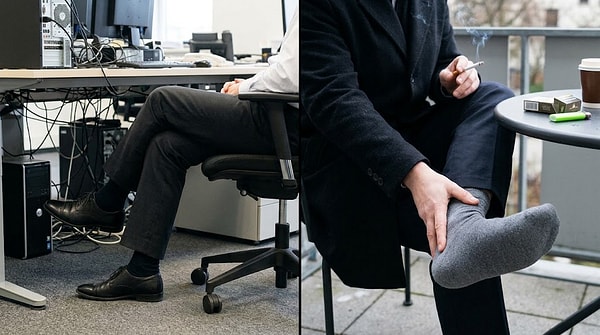
A sedentary lifestyle and sitting at a desk all day can slow blood flow to the legs.
Tobacco use, including smoking, plaque buildup in the arteries due to high cholesterol, and certain heart conditions can also keep enough blood from reaching the feet, causing them to feel cold.
Anemia (Low Blood Count)

Anemia occurs when the body doesn’t have enough red blood cells. It can be caused by iron, vitamin B12, or folate deficiencies, as well as conditions such as chronic kidney disease.
Cold feet are common in moderate to severe cases of anemia.
Diabetes Mellitus (Diabetes)
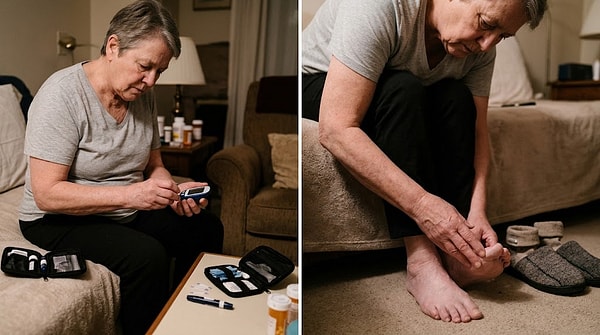
Frequent spikes in blood sugar can narrow the arteries and reduce blood flow.
Uncontrolled blood sugar can also lead to nerve damage (diabetic peripheral neuropathy). This can make the feet feel cold and cause tingling, numbness, pins and needles, and a burning sensation that often gets worse at night.
Nervous System Disorders and Hypothyroidism

Nerve Disorders: Peripheral neuropathy caused by trauma, liver or kidney disease, or infections can lead to persistently cold, numb feet.
Hypothyroidism: An underactive thyroid slows down metabolism. This can affect body temperature, circulation, and heart rate, causing chills, fatigue, weight gain, and memory problems.
Remedies and When to See a Doctor?

At-Home Measures: Although the underlying condition may require medical treatment, wearing slippers at home or using a heating pad may provide temporary relief. Reducing stress and staying active can also help improve circulation.
Medical Guidance: If anemia, diabetes, a thyroid condition, or a circulatory disorder is suspected, be sure to consult a doctor. Any dietary changes, supplements, or medication should be planned under medical supervision.
Keşfet ile ziyaret ettiğin tüm kategorileri tek akışta gör!
 Test
 Gündem
 Magazin
 Video



Send Comment