


8 Things You Should Know About Heat Pumps, The Technology Lining Up To Replace Gas Boilers


Gas boilers have been heating homes for years, but heat pumps, which can provide more heat with less energy, are now stepping onto the stage. So can this technology really take the boiler's place? Here are the details worth knowing about heat pumps.

1. A heat pump carries heat from its surroundings into the home instead of burning natural gas.
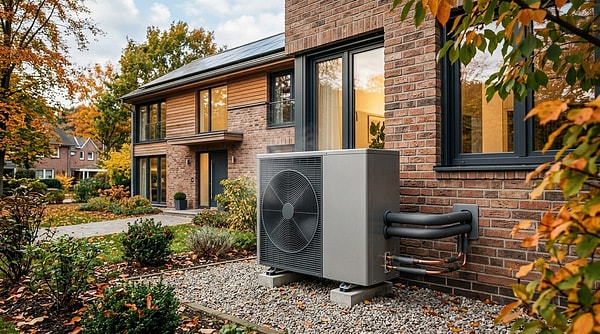
The way a heat pump works surprises many people at first, because the device does not produce heat by burning fuel as a boiler does. Instead, it takes heat energy from the outside air, the ground or water and transfers it indoors with the help of electricity. The principle resembles a refrigerator running in reverse: a refrigerator pushes the heat inside it outwards, while a heat pump carries the heat outside into the living space.
2. It offers a way of heating that reduces fossil fuel use
Conventional boilers generate heat by burning natural gas, whereas heat pumps use energy drawn from the outside air, the ground or water. Running on electricity, these systems heat homes by moving the surrounding heat indoors, which makes it possible to reduce the need for fossil fuels such as natural gas. Given the large share fossil fuels have in energy-related greenhouse gas emissions, changing how we heat buildings matters a great deal in tackling climate change.
3. It delivers more heat energy than the electricity it consumes.
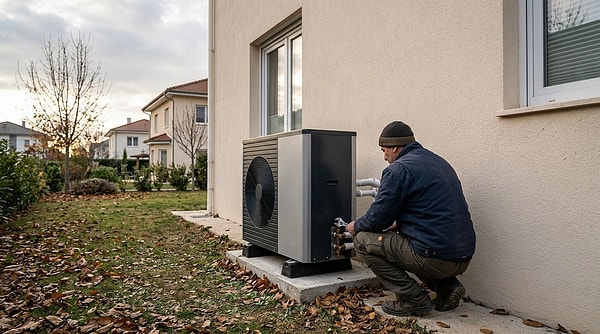
The most striking feature of heat pumps is that they can move more heat energy into the home than the electrical energy they use. A system with a coefficient of performance of 4, for example, can provide 4 units of heat from 1 unit of electricity under suitable operating conditions. The reason is that it does not generate all of that energy from electricity; it also draws heat from the environment. Under the right conditions, this can lower both energy consumption and heating costs.
4. Heat pumps are one of the important steps of the energy transition in homes
The energy transition is not only about solar and wind power. Electric vehicles in transport, electric production processes in industry and heat pumps in buildings are also important parts of the same shift. When systems that run on fossil fuels are replaced with electric alternatives, the carbon emissions caused by energy use go down.
5. The home's existing heating system has to be taken into account when choosing a heat pump.
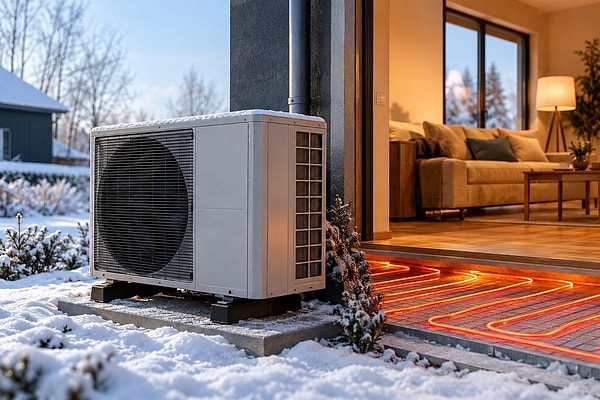
Technically, a heat pump is not a plug-and-play solution that fits every home in the same way. The size of the home, its heat loss, the capacity of the existing radiators and the operating temperature of the installation all affect how the device performs. Systems that can work at low temperatures, such as underfloor heating, make it easier to use a heat pump efficiently. Whether the existing installation is suitable should be assessed by professionals, and a system design that matches the home's needs is essential before the boiler is replaced.
6. The economic advantage depends on electricity prices and installation costs
The energy efficiency of heat pumps is a major advantage, but the purchase and installation cost of the device also has to be part of the decision. Electricity and natural gas prices, how well the home is insulated and the efficiency of the device determine how much can be saved in the long run. That is why there is no single saving rate that applies to every home. The most accurate comparison is made by calculating the running costs of the current boiler alongside the installation and operating costs of the heat pump.
7. In suitable systems, it also meets the need for cooling in summer.
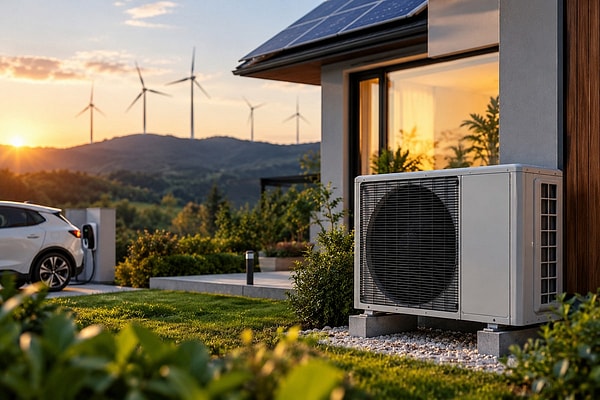
Heat pumps are not limited to heating. Models with a cooling function can also cool the home in the summer months, provided the installation and equipment are suitable. A single system can therefore cover temperature needs in different seasons. That said, not every model has a cooling function and not every installation is suited to it, so both the heating and cooling capacity and the technical conditions of the home should be weighed up when choosing a device.
8. Buildings also need to be prepared for the energy transition
Wider use of heat pumps does not depend on device sales alone. Better insulation in buildings, a stronger electricity infrastructure and more renewable energy sources are all important parts of the change. Because electric heating systems can increase demand for electricity, power grids also need to be ready. Heat pumps are seen as part of the goal of creating climate-friendly, energy-efficient buildings, and which system is preferred in the future will come down to weighing energy efficiency, cost and environmental impact together.
Keşfet ile ziyaret ettiğin tüm kategorileri tek akışta gör!
 Test
 Gündem
 Magazin
 Video



Send Comment