


Nature Study On Cacti Finds The Picture Changes Once Severe Drought Is Factored In


A study published in the journal Nature modelled the future of cacti in the Americas while also accounting for severe droughts. The team examined around 650,000 observation records and 993 cactus species. For the same species, the result obtained with average climate conditions alone is very different from the result once drought is added. The researchers also drew attention to a second factor that threatens cacti.


The team combined around 650,000 observation records with drought projections.
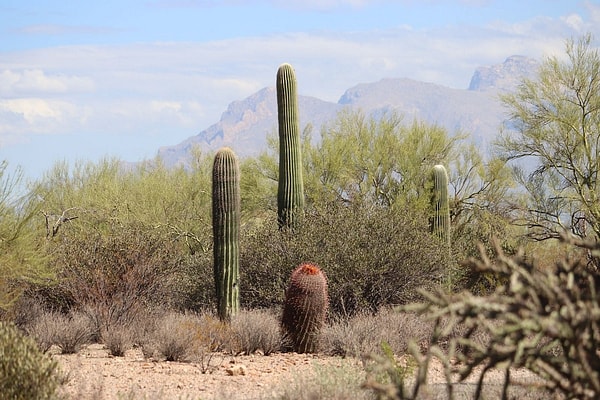
Models based on long-term temperature and rainfall averages do not account for extreme weather events such as severe drought, so they can understate the risks species face. For that reason the research team brought together around 650,000 observation records of cacti in the Americas with projections of future drought. Models were built for 993 species, representing half of the roughly 2,000 cactus species. Some of the models considered only average climate conditions, while others took severe drought events into account. Different climate models and global warming scenarios were used, and more than 860,000 distribution maps were produced on the assumption that species can spread up to 100 kilometres.
Accounting for drought changed the picture.
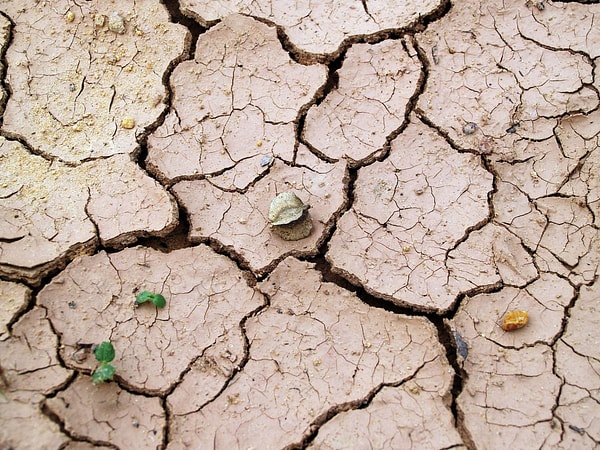
The models that included severe droughts received stronger statistical support than the models based only on average climate conditions for 91 percent of the species examined. Factoring in drought also pushed up the share of species that lose part of their suitable climate area. Under the assumption that species can spread up to 100 kilometres, that share rose from 58–61 percent to 69–72 percent.
An 80 Percent Loss Is A Critical Threshold
The main difference appeared in large-scale losses of area. The share of species expected to lose at least 80 percent of their suitable climate area stayed between 1 and 15 percent when drought was left out, but rose to 25–35 percent in the models that included droughts. According to the study, an 80 percent loss roughly matches one of the criteria for the critically endangered category on the Red List of the International Union for Conservation of Nature (IUCN). At present, fewer than 10 percent of cactus species are in that category. The researchers say the projected losses could add to the pressure on the limited resources available for conservation work.
In some regions the projected loss reaches about 55 percent.
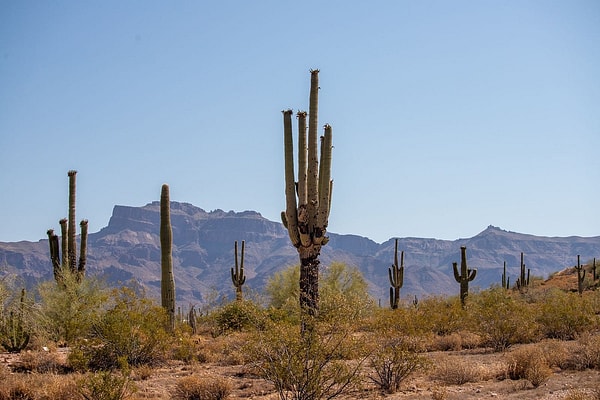
The projections show that climate change will affect not only the habitats of individual species but also regional cactus diversity. In some regions the total number of cactus species is expected to fall by more than 25 percent. In north-eastern Brazil and parts of Central America, losses could reach about 55 percent. The researchers also note that the effect may not be limited to cacti, because the climatic habitats of succulents and other plant groups overlap to a significant degree. Widespread cactus deaths are reported in the Atacama Desert in Chile and in the Sonoran Desert, which stretches across Mexico and the United States. The scientists say the next step should be to look at how drought affects different plant groups, at which life stages plants suffer more damage, and through which biological mechanisms this happens.
Illegal collection is a threat as well.
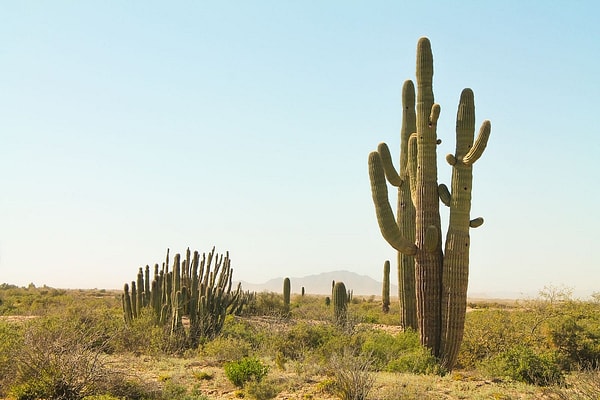
According to the researchers, climate change is not the only thing threatening cacti. Illegal collection also puts the survival of many species at risk. The lack of adequate projections, especially for rare species, makes conservation work harder, and the scientists aim to use evolutionary relationships to develop projections for species that have not yet been studied. Two of the study's authors, Michiel D. Pillet and Brian J. Enquist, stress that assessing pressures such as climate change and illegal collection together is important for setting conservation priorities. The results of the study are expected to contribute to the IUCN's updated Red List assessments.
Keşfet ile ziyaret ettiğin tüm kategorileri tek akışta gör!
 Test
 Gündem
 Magazin
 Video



Send Comment