


Ultimate Food Mystery: Why Save the Best Bite for Last?


Do you tend to finish off your least favorite food first while eating, leaving the most delicious part tucked away in the corner of the plate for last? What may seem like a simple childhood habit is actually rooted in the human brain's mechanism of managing rewards, expectations, and pleasure. Psychology has cracked the code behind this common behavior.

How do you approach the plate in front of you at dinner?
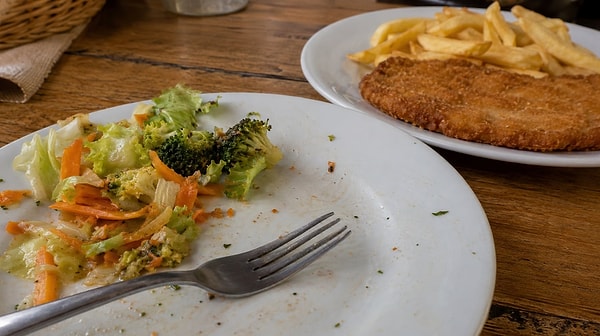
Do you tend to get the vegetables out of the way first, saving your favorite meat or saucy pasta for last? If your answer is 'yes,' you're not alone. This peculiar eating habit, shared by millions worldwide, may seem like a mundane tradition at first glance, but it harbors significant insights into human psychology.
Psychologists and behavioral scientists have delved into the underlying processes behind the urge to save the best bite for last, and why this habit is so prevalent.
According to psychology, the concept of "delayed gratification" fundamentally underpins this behavior.
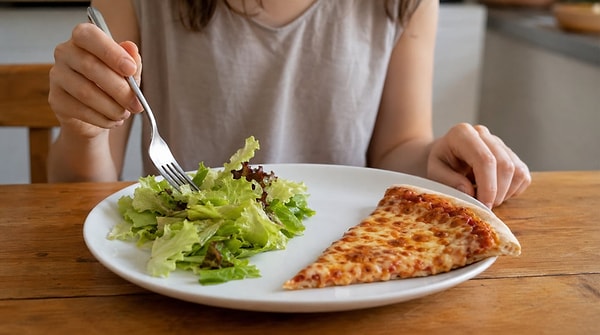
In essence, humans possess the ability to delay immediate pleasures when they know that a larger and more satisfying reward awaits them in the future. This is precisely the case when it comes to eating: Individuals consciously avoid eating their favorite thing first in order to conclude the meal with a magnificent taste and a much more enjoyable sensation.
Experts point out that saving the best for last also facilitates the enjoyment of other foods on the plate. Knowing that there's a 'reward' waiting for us at the edge of the plate boosts our patience towards the food we're currently eating and not particularly fond of; in other words, the sense of anticipation makes the overall dining experience more bearable.
Moreover, the human brain tends to remember experiences by how they ended. Even if the initial parts of the meal are less enjoyable (such as an unliked vegetable), when the meal concludes with a favorite food, it remains in memory as a pleasant and satisfying experience.
So, how do we develop this habit?
The answer is largely hidden in our childhood years. Many of us, while growing up, heard warnings from our parents such as 'Finish your vegetables/salad first, you'll eat your meatball/dessert later'. This discipline, learned at a young age, gradually turns into an automatic mechanism in our minds and becomes a daily way of organizing pleasure in adulthood.
According to psychological analyses, the top five reasons why people tend to eat what they like least first and save their favorite for last are as follows:
The Pursuit of Positive Closure: The desire to end the meal with the most enjoyable sensation in the mouth and mind.
Reward Motivation: The thrill of anticipation created by the tasty morsel waiting at the end.
Childhood Conditioning: Habits acquired from a young age that become automatic.
The Concept of Unburdening: The desire to get rid of the least wanted, least liked thing first.
The Desire to Prolong the Experience: The idea of savoring the most loved food without rushing, for a longer period of time.
Experts underline that, in principle, this habit is extremely positive and harmless.
On the contrary, it's quite a savvy strategy to enhance the enjoyment of a meal and establish a personal control mechanism over the dining experience.
However, as with any psychological observation, context is of utmost importance. This ritual poses no issue as long as it's carried out within a natural flow. Yet, when it morphs into rigidity, obsession, guilt, or serious anxiety related to food, that's the point where caution is warranted and professional help may be needed.
Keşfet ile ziyaret ettiğin tüm kategorileri tek akışta gör!
 Test
Test
 Gündem
 Magazin
 Video
Video



Send Comment