


Why Does Super Glue Leave a White Powder Stain Even Where It Does Not Touch?


Even if you carefully repair a broken piece with super glue, a white, powdery residue can form around the join. It’s caused by fumes released into the air as the glue cures.
Read more in our report.

The adhesive cures when exposed to moisture in the air.
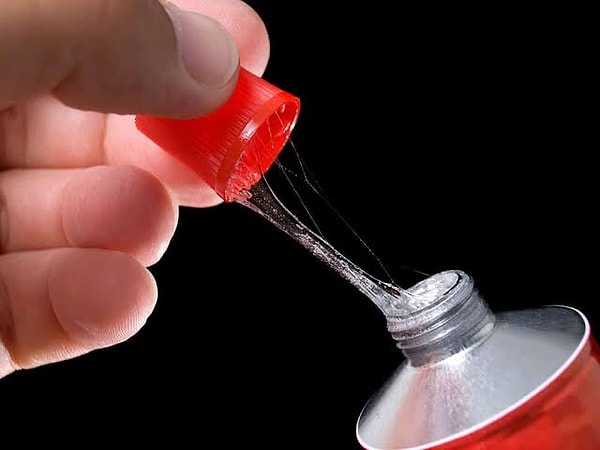
Super glue is made from cyanoacrylate. Even a tiny amount of moisture on a surface can trigger it to cure.
In dry air, curing takes longer. The glue also takes longer to bond and cure fully on acidic surfaces such as wood or paper.
The white trail forms when vapor in the air freezes.
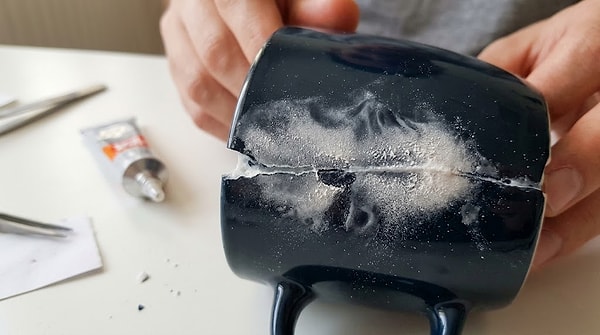
Some of the adhesive evaporates as it cures. The vapor reacts with moisture in the air, hardens, and settles around the bond.
Manufacturers call this white, powdery residue “blooming” or “frosting.” It’s a byproduct of the curing process.
Using too much glue makes the mark bigger.
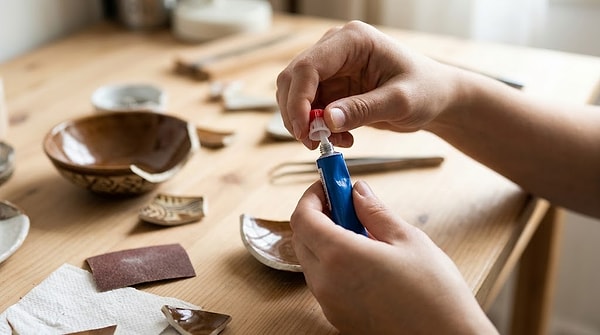
According to adhesive manufacturer Permabond, using as little adhesive as possible delivers the best results. This reduces squeeze-out at the edges and minimizes white marks—or prevents them altogether. Placing the bonded part in a sealed container immediately after gluing can trap the vapors, causing marks to form.
The company recommends working in a well-ventilated area and allowing the adhesive to cure quickly.
There are also adhesives that don’t leave white marks.
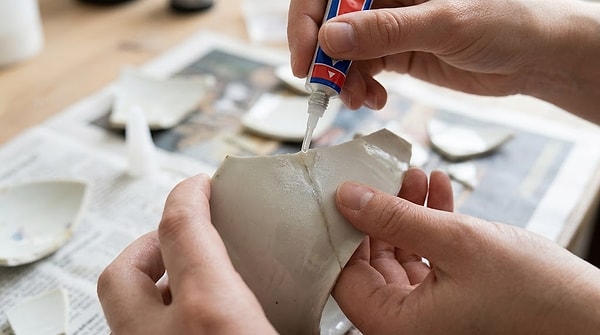
Low-bloom specialty cyanoacrylates have lower vapor pressure, so they evaporate less and produce a milder odor.
However, they’re less heat-resistant and may not be suitable for every application.
Keşfet ile ziyaret ettiğin tüm kategorileri tek akışta gör!
 Test
 Gündem
 Magazin
 Video



Send Comment