


The millennia-old Japanese Empire has Come to an End


Japan, a nation known for its steadfast adherence to tradition, is currently grappling with one of the deepest crises in its modern history. The Chrysanthemum Throne, believed to have been established in 660 BC with Emperor Jimmu and passed down uninterrupted from father to son for a full 2600 years, is now facing the threat of extinction.
This venerable dynasty, which holds the title of the world's oldest existing monarchy, is at risk of being completely erased from the annals of history due to rigid succession laws and demographic realities. The root cause of this predicament is the rapid decline in the number of male heirs and the unwelcome prospect of female emperors.
Source

The oldest empire in the world: Japan
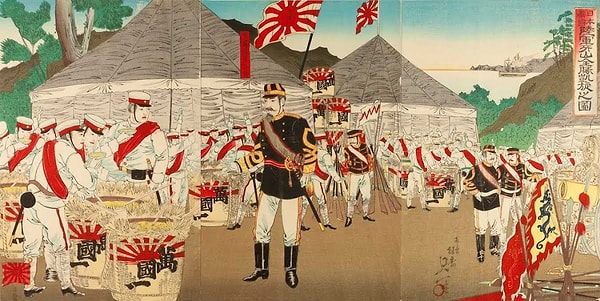
The centuries-old tale of the Japanese Empire is built upon millennia of rituals and traditions once thought to be unshakeable. The Chrysanthemum Throne represents not merely a political authority, but also a sacred continuity stemming from the lineage of the Sun Goddess Amaterasu, according to Shinto belief. However, this mystical bond is navigating through the most vulnerable period in its history in the face of changes brought by the modern world.
The Imperial Household Law, enacted in 1947 and currently the subject of heated debates, mandates that the throne can only be passed on to male heirs of paternal lineage.
The rapid shrinking of the imperial family and the declining birth rate of male children in newer generations pose the greatest legal obstacle threatening the future of the dynasty, thanks to this rigid rule.
Princess Aiko is the only child of the current Emperor Naruhito.

Princess Aiko has won the hearts of the Japanese people with her graceful demeanor and education. National surveys indicate that over 80% of Japanese society is open to the idea of a female emperor and would like to see Princess Aiko ascend to the throne.
However, according to the laws currently in effect, it is completely impossible for a woman to ascend to the throne. Moreover, if princesses marry a common citizen, it means they lose their imperial titles and privileges entirely. This leads to young princesses leaving the family through marriage and the already limited number of dynasty members dwindling day by day.
The fate of a 2600-year-old empire and the continuation of its lineage now rest on the shoulders of just one young man: Prince Hisahito, the 19-year-old nephew of Emperor Naruhito.
Under the current laws, Hisahito is the youngest and only male heir of his family.
If Prince Hisahito fails to have a male child in the future, it would spell the end of the centuries-old Empire.
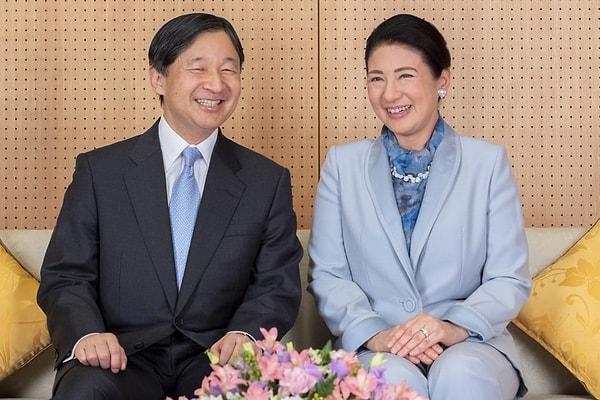
On the brink of a historical precipice, the Japanese government is exploring various strategies to overcome this crisis and prevent the extinction of their lineage. Among these potential solutions are options such as allowing princesses to retain their titles even after marriage, or adopting distant relatives who lost their dynastic status after World War II back into the family.
However, the insistence of conservative political circles on preserving the tradition of 'pure male lineage' is obstructing these reforms. The family, which once consisted of 67 members, is now down to a mere 16.
Caught between traditional dogmas and the realities of the modern world, the decision Japan makes at this historical crossroads will determine not only its own future, but also the survival of one of the world's oldest heritages.
Keşfet ile ziyaret ettiğin tüm kategorileri tek akışta gör!
 Test
Test
 Gündem
 Magazin
 Video
Video



Send Comment