


The Food That Helps Eliminate Microplastics Accumulated in Our Bodies Through Feces!


Microplastics are tiny pieces of plastic, less than 5 millimeters in length, that result from plastic pollution. These minuscule fragments, invisible to the naked eye, wreak havoc on our environment, wildlife, and us. The microplastics we ingest from our drinking water and absorb from our clothing accumulate in our brains, livers, and placentas, particularly disrupting the delicate microbial balance in our intestines. Over time, they could potentially lead to various health issues.
But is there a way to rid our bodies of these accumulated microplastics?
Source

Microplastics, now pervasive in every aspect of our lives, carry chemicals that are extremely harmful to human health.
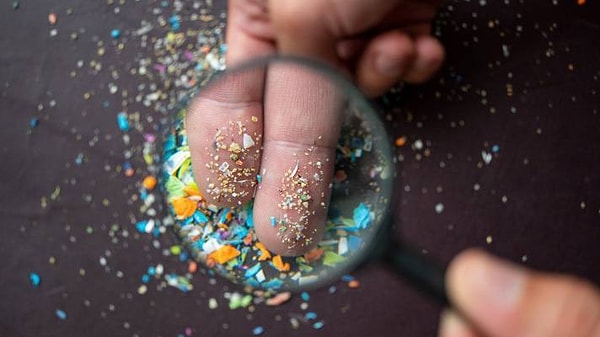
Microplastics can infiltrate our bodies through the plants we eat, the seafood we consume, and even the air we breathe. Research conducted in 2023 reveals that microplastics smaller than 100 nanometers can reach virtually all organs once they enter the human body. Further studies have uncovered the presence of microplastics in human blood, lungs, heart tissue, and even in the placenta of unborn babies.
Microplastics have the capacity to trigger allergic reactions in human cells, cause cell death, and particularly disrupt the delicate microbial balance in our gut, affecting our entire body.
On a brighter note, it is possible to naturally eliminate the microplastics we ingest through various means from our bodies.
The key to naturally expelling microplastics from our bodies lies in probiotics.
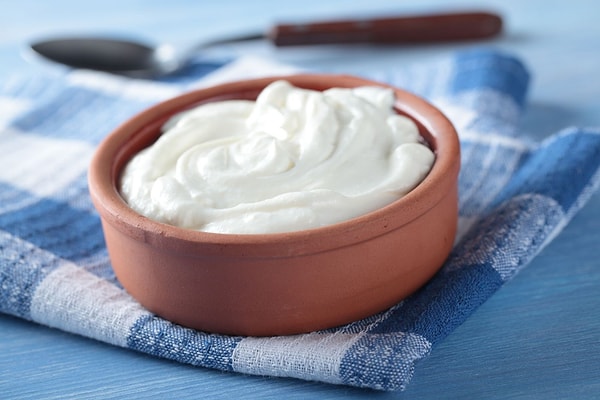
In a recent study conducted by the World Kimchi Institute, it was proven that lactic acid species found in kimchi, Korea's most beloved probiotic food, help to eliminate microplastics from our bodies.
The team, led by Se Hee Lee and Tae Woong Whon, isolated the lactic acid bacteria Leuconostoc mesenteroides CBA3656 (or simply CBA3656) found in kimchi. Subsequently, they analyzed the ability of CBA3656 to adsorb one of the most common nanoplastic types derived from polystyrene.
In the experiment, one group of mice was given CBA3656 while the other group was not. When the researchers examined the feces of both groups, they found that the amount of nanoplastics in the feces of the group given CBA3656 was more than double; this revealed that in humans, CBA3656 could bind to nanoplastics in the gut and eventually assist in their excretion via the toilet.
Senior research leader Lee stated that 'microorganisms derived from traditional fermented foods have shown potential in addressing public health problems caused by plastic pollution.'
It is suggested that fermented foods can not only neutralize these toxins but also help to completely remove them from our systems.
Examples of fermented foods include:
Yogurt
Kefir
Sauerkraut
Cheese
Bread yeast and bread
Olives
Kimchi
Keşfet ile ziyaret ettiğin tüm kategorileri tek akışta gör!
 Test
Test
 Gündem
 Magazin
 Video
Video



Send Comment