


Seasonal Winter Superfood Hits the Stalls to Protect Both Heart and Blood Vessels


With their vibrant red color and delicious flavor, pomegranates brighten produce stands throughout the winter. But they’re more than just a feast for the eyes: their impressive health benefits make them a true gift from nature. Nutritionist Julia Zumpano explains why this delicious fruit deserves a place in your daily diet, highlighting the health benefits of pomegranates and freshly squeezed pomegranate juice.


Experts stress that eating the fruit whole or choosing freshly squeezed juice is much healthier than drinking packaged pomegranate juice with added sugar.
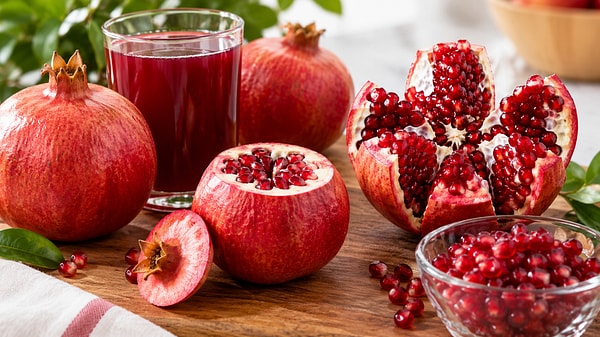
For those looking to limit their sugar intake, eating pomegranate straight from the fruit, seeds and all, is considered the best option.
To remove the seeds easily without damaging them, try this simple method: Cut a thick slice from the stem end, then score the rind vertically along the lines of the white membranes. The pomegranate will open up like a flower, making it easy to remove the seeds from the bitter white pith.
Pomegranates are rich in antioxidants, which help protect the body’s cells from harmful substances such as air pollution and cigarette smoke.
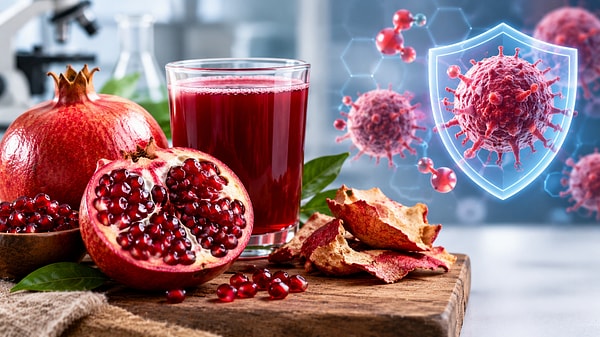
These compounds can help prevent and repair the DNA damage that triggers cancer, forming a protective shield—especially when paired with plant-based eating patterns such as the Mediterranean diet.
Research by scientists at the University of California, Los Angeles (UCLA), has found that pomegranate juice suppresses cancer cell growth and increases cell death in men who have undergone treatment for prostate cancer. Likewise, studies are ongoing into the potential medical uses of pomegranate peel extract because of its possible cancer-fighting effects.
Used in traditional medicine for thousands of years, pomegranate is also recognized for its beneficial effects on cardiovascular health.
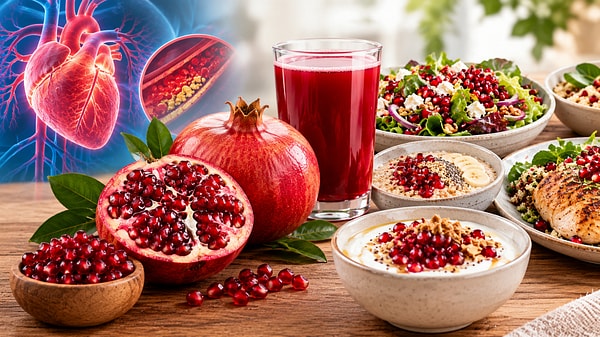
A comprehensive study conducted in 2022 found that pomegranates may help reduce the risk of high blood pressure, coronary artery disease and atherosclerosis.
In addition, a 2021 animal study found that pomegranate juice lowered “bad” cholesterol (LDL), which contributes to blocked arteries, by 39% while raising “good” cholesterol (HDL) by 27%. Expert Zumpano recommends that people with a family history of heart disease include pomegranates in their diet to help prevent plaque from building up inside their arteries.
How to Eat Pomegranate
Fresh pomegranates are available from October through January, and half a pomegranate counts as one serving. Nutritionists say the seeds can easily be added to light dishes such as salads, oatmeal, yogurt and quinoa, or served alongside poultry like chicken and turkey.
Use Caution When Eating Pomegranate During Chemotherapy
Because pomegranates may interact with certain medications, people undergoing chemotherapy are advised to consult their doctor before eating them. Since pomegranate’s effects during treatment can vary depending on the medication, it’s important to seek advice from a healthcare professional.
Keşfet ile ziyaret ettiğin tüm kategorileri tek akışta gör!
 Test
 Gündem
 Magazin
 Video



Send Comment