


Psychologists Reveal 7 Mental Health Benefits of Gardening for Emotional Well-Being


In today's productivity-driven world, gardening emerges not just as a hobby, but also as an effective method of mental therapy. Clinical Psychologist Dr. Gayle MacBride reveals the seven critical benefits that gardening offers for mental health, from reducing stress to promoting mindfulness.

In the hustle and bustle of everyday life, where individuals are constantly required to perform, gardening creates a space free from performance anxiety.
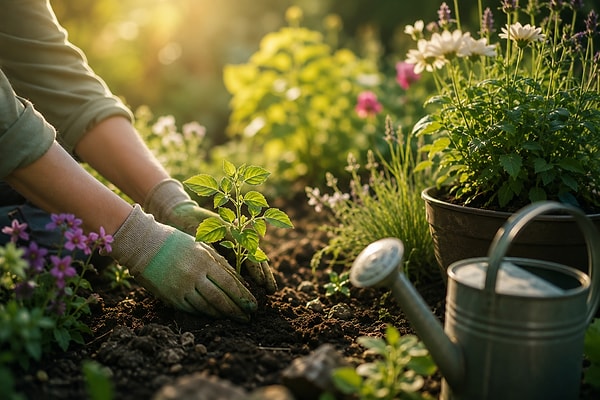
Dr. MacBride asserts that touching the soil and witnessing the growth of a plant can enhance intrinsic motivation, thereby freeing an individual from mental burdens.
The 7 Prominent Psychological Benefits of Gardening
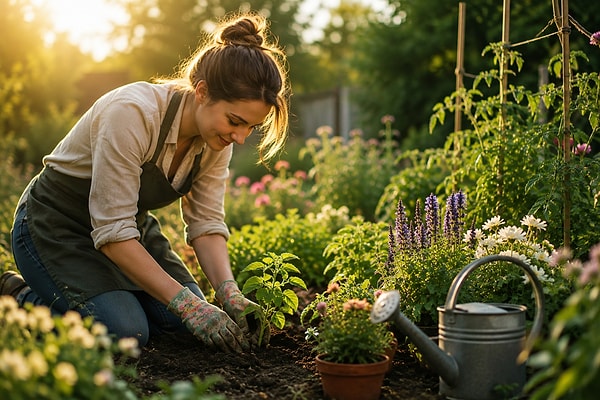
Rhythmic tasks involving soil and plants have a calming effect on the nervous system. Studies have demonstrated that even short bouts of gardening can lower the stress hormone cortisol.
The combination of sunlight, fresh air, and physical movement, even in minor tasks like watering seedlings, provides a sense of achievement and pleasure, alleviating depressive feelings.
In addition to immediate relaxations like watering or weeding, investing in a seed that will bear fruit weeks later instills a sense of long-term hope.
Elements such as the texture of leaves, the scent of the soil, and the sound of the wind serve as a natural grounding exercise by focusing the mind.
Engaging the mind in a tangible and focused activity breaks the cycle of spiraling anxious thoughts.
Sharing seedlings or crops with neighbors, or participating in community gardens, reduces feelings of loneliness.
Each seed sown in the soil generates an expectation for the future. This carries a healing significance for individuals experiencing grief, burnout, and anxiety.
Allocating just 20 to 30 minutes of your day to gardening tasks is sufficient for mental relaxation.
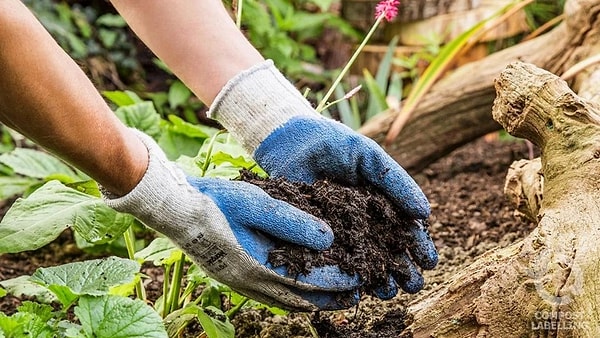
Keeping the duration short helps prevent this endeavor from becoming a massive responsibility, while also stimulating the senses.
Three Golden Rules for Mental Health
Choose types that suit your lifestyle, budget, and space; opt for those that won't burden you with their maintenance.
Focus on the scent of the leaves and the texture of the soil to immerse yourself in the moment.
Allow for the presence of insects, yellowing leaves, or dried branches. Gardening is a fantastic opportunity to let go of perfectionism and embrace flexibility.
Experts remind us that while gardening is a wonderful tool for supporting mental health, it cannot replace professional medical treatment and therapy in cases of clinical depression, panic disorder, or severe trauma.
Keşfet ile ziyaret ettiğin tüm kategorileri tek akışta gör!
 Test
Test
 Gündem
 Magazin
 Video
Video



Send Comment